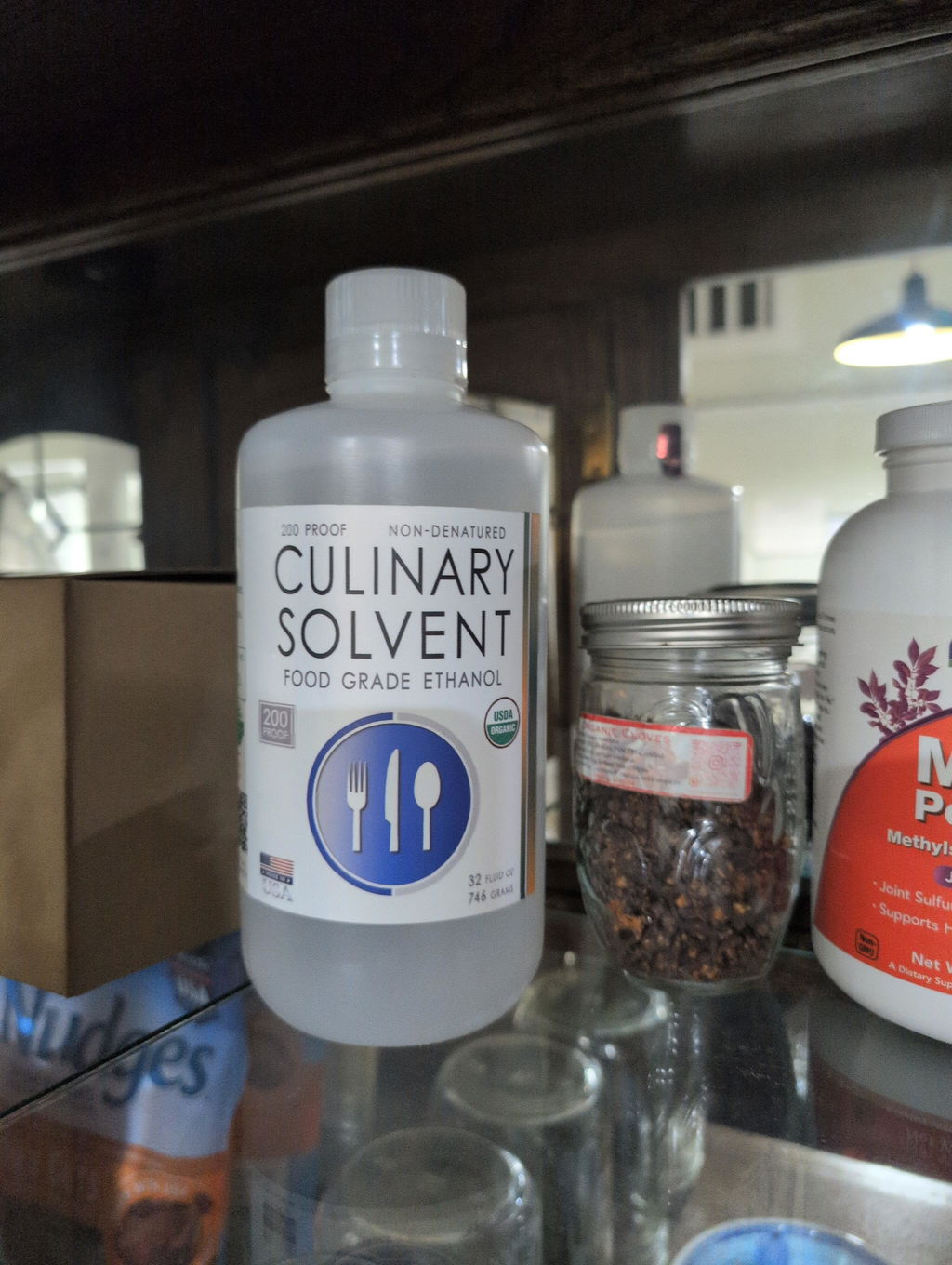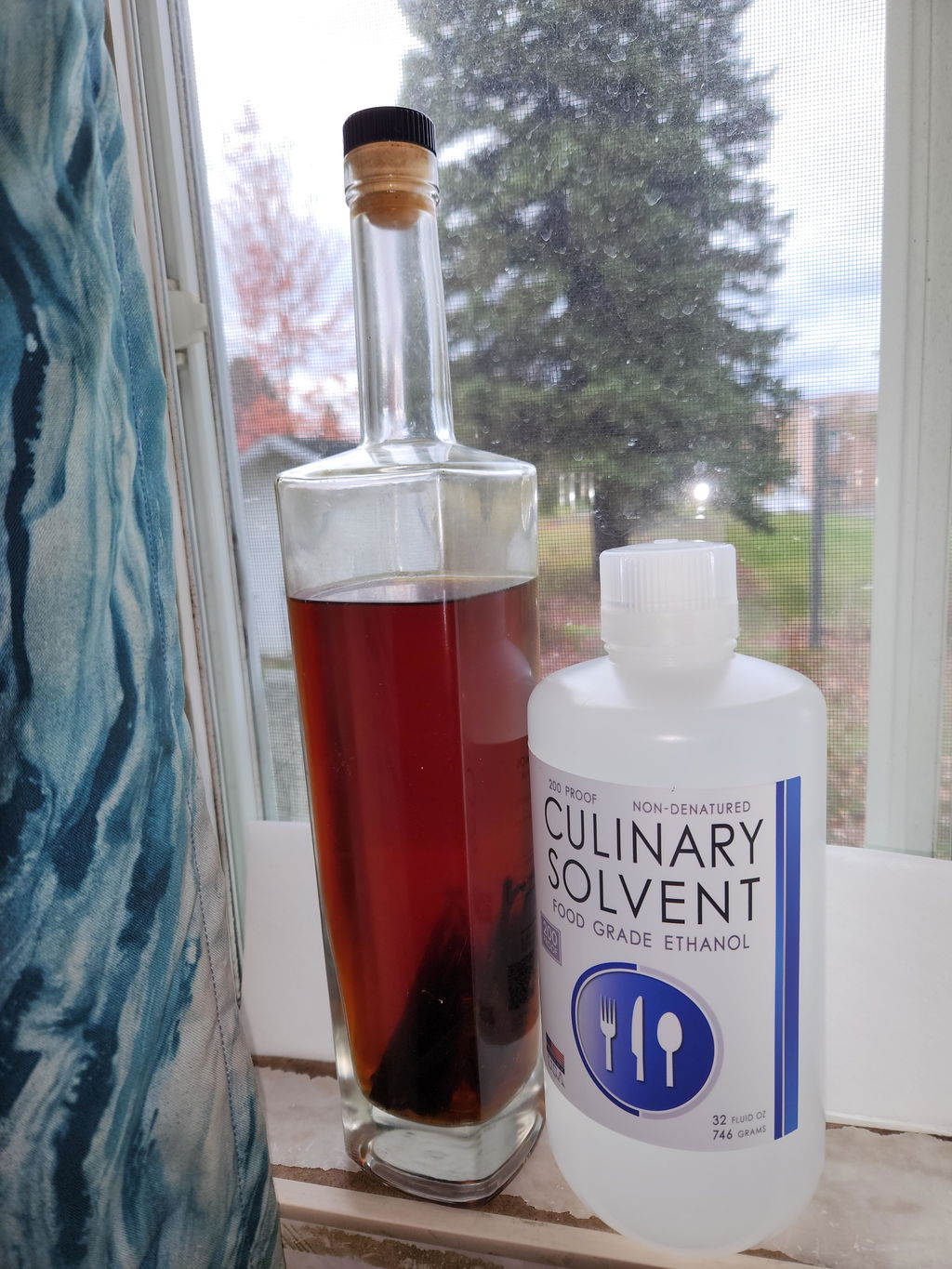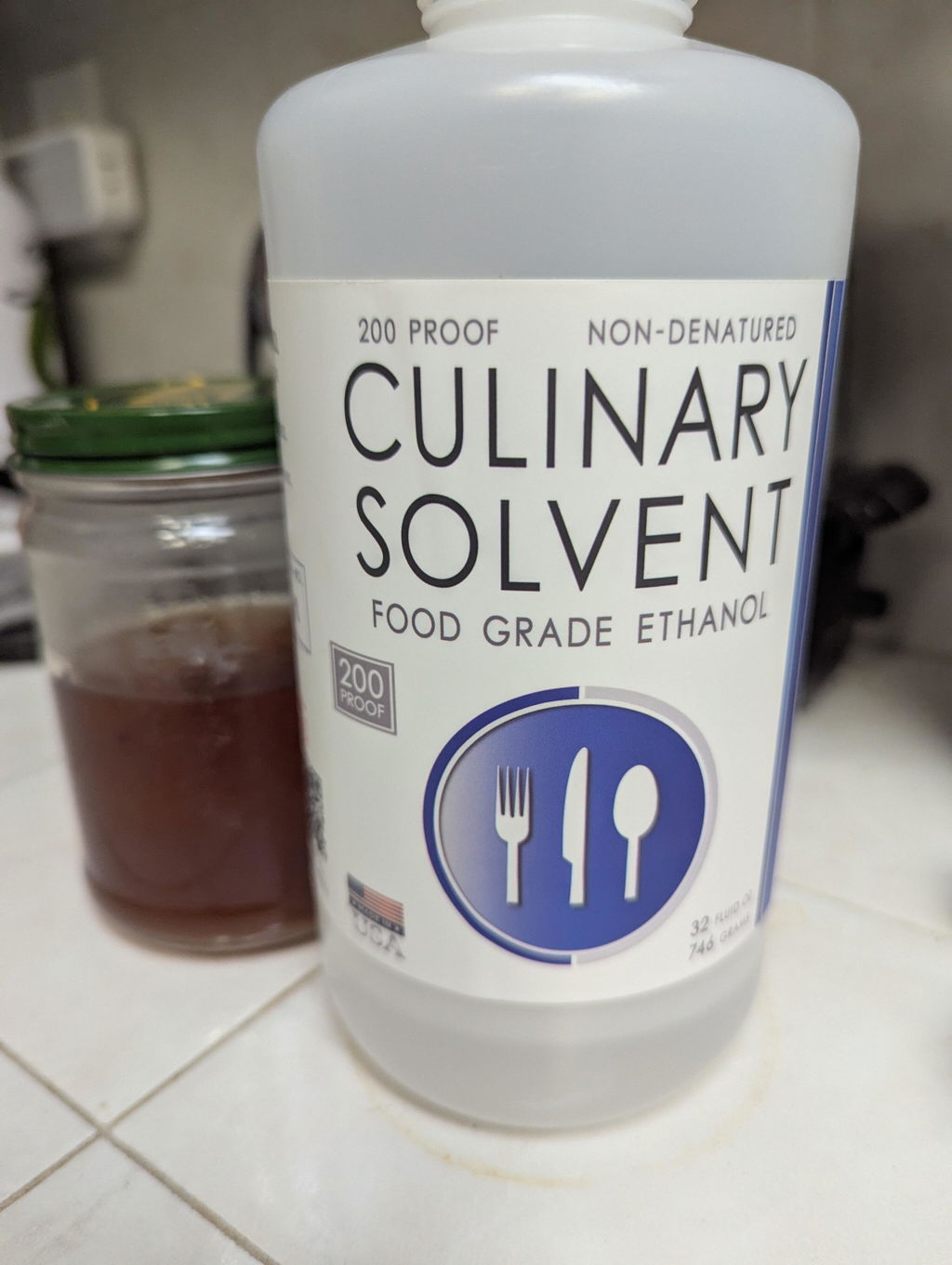

Why Citrus Extracts Are One of My Favorite Uses for 200 Proof Food Grade Ethanol
This is the second post in my series about the ingredients I especially enjoy extracting with 200 proof USDA Certified Organic Culinary Solvent.
Citrus extracts are some of my favorite things to make. They are fast, aromatic, easy to experiment with, and one of the clearest demonstrations of what USDA Certified Organic 200 Proof Food Grade Ethanol can do.

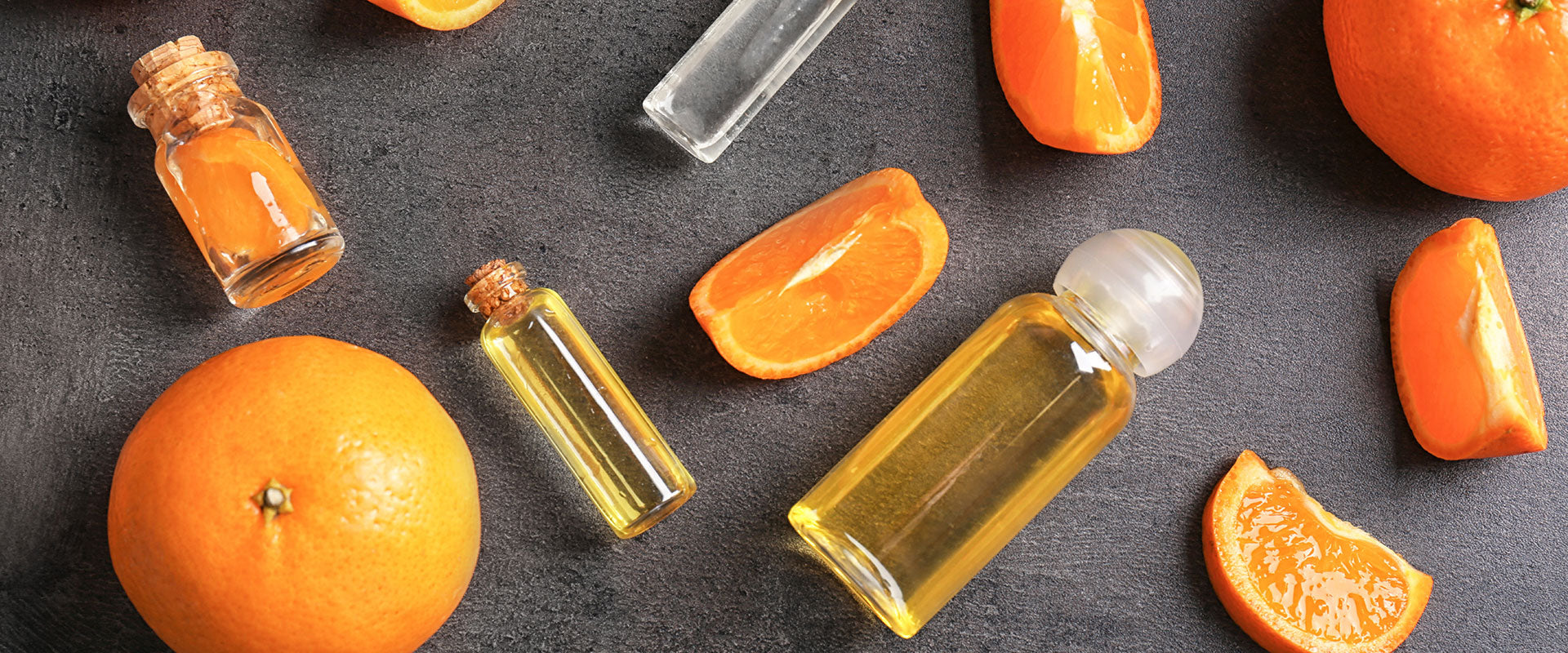
When I work with citrus, I am interested in the fragrant oils concentrated inside the colored outer zest. I want the character of the fruit without having to bring its juice, pulp, sugar, and water into every recipe. High-proof ethanol gives me a direct way to collect those aromatic oils and carry them into cakes, creams, frostings, glazes, marinades, candies, and cocktails.
Citrus is also far more diverse than the familiar trio of oranges, lemons, and limes. Once you start looking, the category opens into an enormous range of sweet, bitter, floral, sharp, tropical, spicy, and perfume-like aromas.
Why Citrus Is So Rewarding to Extract
There is something especially satisfying about watching clear ethanol take on the identity of a freshly zested citrus fruit.
The liquid may begin to change color, but the aroma is the real transformation. Open the jar after the extraction has begun and there is no mystery about what went into it. Lemon smells like lemon. Grapefruit smells unmistakably like grapefruit. Blood orange carries a warmer and deeper aromatic profile. Yuzu, makrut lime, and Buddha’s hand each announce themselves in their own way.
This direct connection between ingredient and finished extract is a major reason I enjoy making flavor extracts. The ingredient remains recognizable, while the concentrated liquid gives me more control over how I use it.
For a broader introduction to the process, including how to select fruit and remove the correct part of the peel, read my guide to mastering citrus extracts with 200 proof food grade ethanol.
Why 200 Proof Works So Well with Citrus Zest
The colored outer surface of citrus peel contains the fruit’s fragrant natural oils. These oils account for much of the aroma that we identify as lemon, lime, orange, grapefruit, or another citrus variety.

Because 200 proof ethanol contains virtually no water, it is especially useful when the goal is to focus the extraction on those aromatic oils. I can use the outer zest while leaving behind the juice, pulp, membranes, and most of the white pith.
This creates an extract that can deliver a recognizable citrus aroma without adding the same amount of water, acidity, or sugar that comes with juice. That distinction matters when working with buttercream, whipped cream, chocolate, candy, glazes, and other recipes in which additional liquid can change the texture.
The method is also approachable for home cooks and professional makers. A small jar, fresh zest, and pure food grade ethanol can produce a useful batch without special extraction equipment. Readers interested in using ethanol throughout the kitchen can find more guidance on the food grade ethanol for chefs and bakers page.
Safety note: High-proof ethanol is flammable. Keep it away from flames, stovetops, sparks, smoking materials, and sustained heat. Review Culinary Solvent’s safe practices for handling food grade ethanol before beginning.
Citrus Goes Far Beyond Oranges, Lemons, and Limes
Oranges, lemons, and limes provide plenty of room for experimentation on their own. Even within those familiar groups, different varieties produce noticeably different extracts.
A Meyer lemon does not smell exactly like a standard lemon. A Key lime brings a different aromatic character than a larger Persian lime. Mandarins, bitter oranges, blood oranges, pomelos, tangelos, and yuzu each move the category in a different direction. The varieties that break the familiar citrus pattern are especially interesting to me.
Kumquats
Kumquats are small enough to eat whole. Their peel is often sweeter than the tart interior, reversing the pattern many people expect from citrus. That edible and fragrant peel also makes kumquats a fun ingredient for extraction.

Makrut Limes
Makrut lime, also commonly sold under the name kaffir lime, offers useful aromatic material from both the fruit and the leaves. The rind is deeply textured and intensely fragrant, while the leaves have an identity strong enough to define an entire dish. My makrut lime extract recipe focuses on the unusual character of this citrus variety.

Buddha’s Hand
Buddha’s hand may be the clearest citrus rule breaker of all. It looks like a citron separated into long yellow fingers and contains abundant aromatic rind and pith with very little fruit or juice.

Most citrus fruit offers zest as one useful part of a larger whole. Buddha’s hand seems almost entirely devoted to fragrance. It is an ingredient made for zesting, candying, infusing, and extracting.
Blood Oranges
Then there are blood oranges. Do not get me started on how much I love blood oranges.
The deep red interior makes them visually dramatic, but their appeal extends well beyond color. Their aroma can carry a richer orange character with subtle berry-like qualities that separate them from a standard sweet orange. Blood orange extract deserves to be smelled and tasted on its own before it is blended with anything else.

Citrus Belongs in Every Season
Citrus can make a recipe feel like summer in the middle of winter, but it also fits naturally into seasonal cooking throughout the year.
Lemon extract and lime extract feel at home in lemonade, limeade, frozen desserts, light cakes, fruit fillings, seafood marinades, and warm-weather cocktails.
Orange extract takes on a warmer personality when it is paired with clove, cinnamon, nutmeg, vanilla, or chocolate. Those combinations belong in spiced cakes, holiday baking, warm drinks, mulled recipes, and cold-weather desserts.
Grapefruit can give spring and summer recipes a crisp aromatic edge. Bitter orange can work in marmalade-inspired dishes, sauces, marinades, and cocktails. Yuzu can bring a floral sharpness to seafood, desserts, and drinks.
The season depends on the fruit, the supporting ingredients, and the way the extract is used. The citrus marinade recipes provide several examples of bringing these concentrated flavors into savory cooking.
Why Grapefruit Is My Favorite
Out of all the citrus varieties I have worked with, grapefruit remains my favorite to extract.

Part of that preference is practical. Grapefruit is large, the colored outer zest is easy to see, and I can remove broad pieces of peel without fighting the fruit. Preparing enough zest for a small batch usually takes very little time.
But the larger reason is the finished aroma....Grapefruit extract makes itself known in a distinctive way. Add it to a cake, cream, custard, frosting, glaze, or cocktail, and the grapefruit becomes especially noticeable through the nose as you exhale after tasting it.
That aroma rising from the mouth into the nasal passages is one of grapefruit extract’s best qualities. The flavor seems to appear again after the bite or sip, giving the recipe a clear grapefruit identity.
Grapefruit juice has its own place in the kitchen, but it brings water, acidity, natural sugars, and sometimes substantial bitterness. Adding enough juice to make the grapefruit obvious can also thin a frosting, loosen a cream, dilute a cocktail, or change the balance of a baked recipe.
Grapefruit extract gives me another control. I can add the aroma a little at a time while making smaller changes to the recipe’s moisture, acidity, sweetness, and consistency.
Why Grapefruit Is a Forgiving Extract
Grapefruit is also forgiving when my zesting hand gets a little heavy.
With lemon or lime, too much white pith can quickly introduce a bitterness that competes with the fruit’s brighter aroma. Grapefruit already carries a natural bitter edge, so a small amount of pith does not always feel out of place.
If a few thin streaks of white pith come away with the zest, the finished grapefruit extract can still taste balanced and true to the fruit. That makes it a comfortable citrus recipe for beginners and for anyone using a vegetable peeler rather than a precision zester.
I still avoid thick pieces of pith. Too much will flatten the fresh grapefruit aroma and push the extract from pleasantly bitter into harsh territory. The goal remains to collect mostly the colorful outer zest, but grapefruit offers a little more room for error than many other citrus fruits.
Fresh Grapefruit Extract Is Easy to Keep Around
Freshly squeezed grapefruit juice has a relatively short useful life after the fruit is opened. It contains water, sugars, acids, pulp, and other fruit material that begin changing with exposure to air, light, microorganisms, and temperature.
A zest extract is a different preparation. The aromatic oils are held in high-proof ethanol rather than suspended in fresh juice. When stored in a clean, tightly closed glass bottle away from heat and direct light, the extract can remain useful for weeks.
The brightest citrus notes are still best early. Citrus aroma gradually softens with time, especially when a bottle is repeatedly opened and exposed to air. Fortunately, grapefruit extract is easy enough to make that I rarely feel the need to preserve a single batch indefinitely.
A small batch can begin developing a strong grapefruit aroma after an overnight soak. My published homemade grapefruit extract recipe uses a 48-hour extraction as a reliable starting point. I sometimes begin evaluating the jar after the first night and strain it when the aroma reaches the strength I want.
That short turnaround means I can make a fresh batch for a specific cake, cream, cocktail, or weekend project without planning weeks in advance.
Explore More Citrus Extracts
The more citrus varieties I encounter, the more I want to put each one in its own jar and learn what separates it from the others.
You can begin with the familiar fruits:
From there, the options become more unusual:
- Mandarin Orange Extract
- Pomelo Extract
- Tangelo Extract
- Yuzu Extract
- Bitter Orange Extract
- Blood Orange Extract
You can also combine citrus varieties to create an extract that does not exist inside any single fruit. My Triple Orange Extract and Exotic Citrus Melody Extract demonstrate how individual citrus aromas can be layered into something new.
Final Thoughts
I love citrus because it rewards curiosity.
The familiar fruits become more interesting when you pay attention to their individual varieties. The unfamiliar fruits can completely change your idea of what citrus looks, smells, and tastes like.
Some citrus fruits can be eaten whole. Some provide leaves that are as useful as the fruit. Some contain almost no juice. Some are sweet, some are sharp, and some bring bitterness that becomes part of their appeal.
With fresh zest and 200 proof USDA Organic Culinary Solvent, I can capture those differences in a concentrated form and carry them into recipes throughout the year.
Grapefruit will probably remain the jar I reach for most often. Every new citrus fruit I find still feels like another invitation to make an extract.
Browse the homemade extract recipe directory for more citrus recipes, flavor extracts, and ingredients to explore.
-Scott (AKA Mr. Tincture)