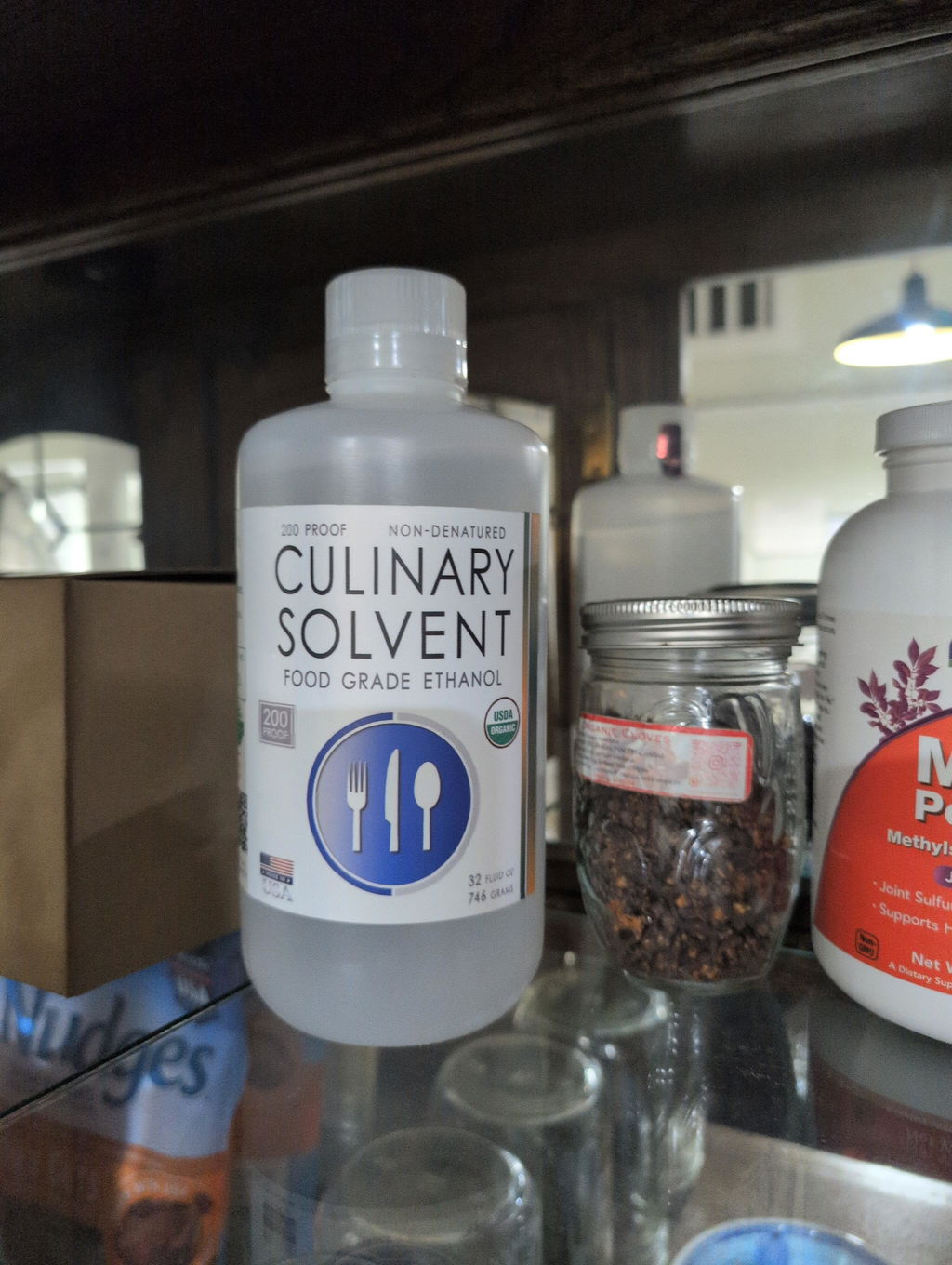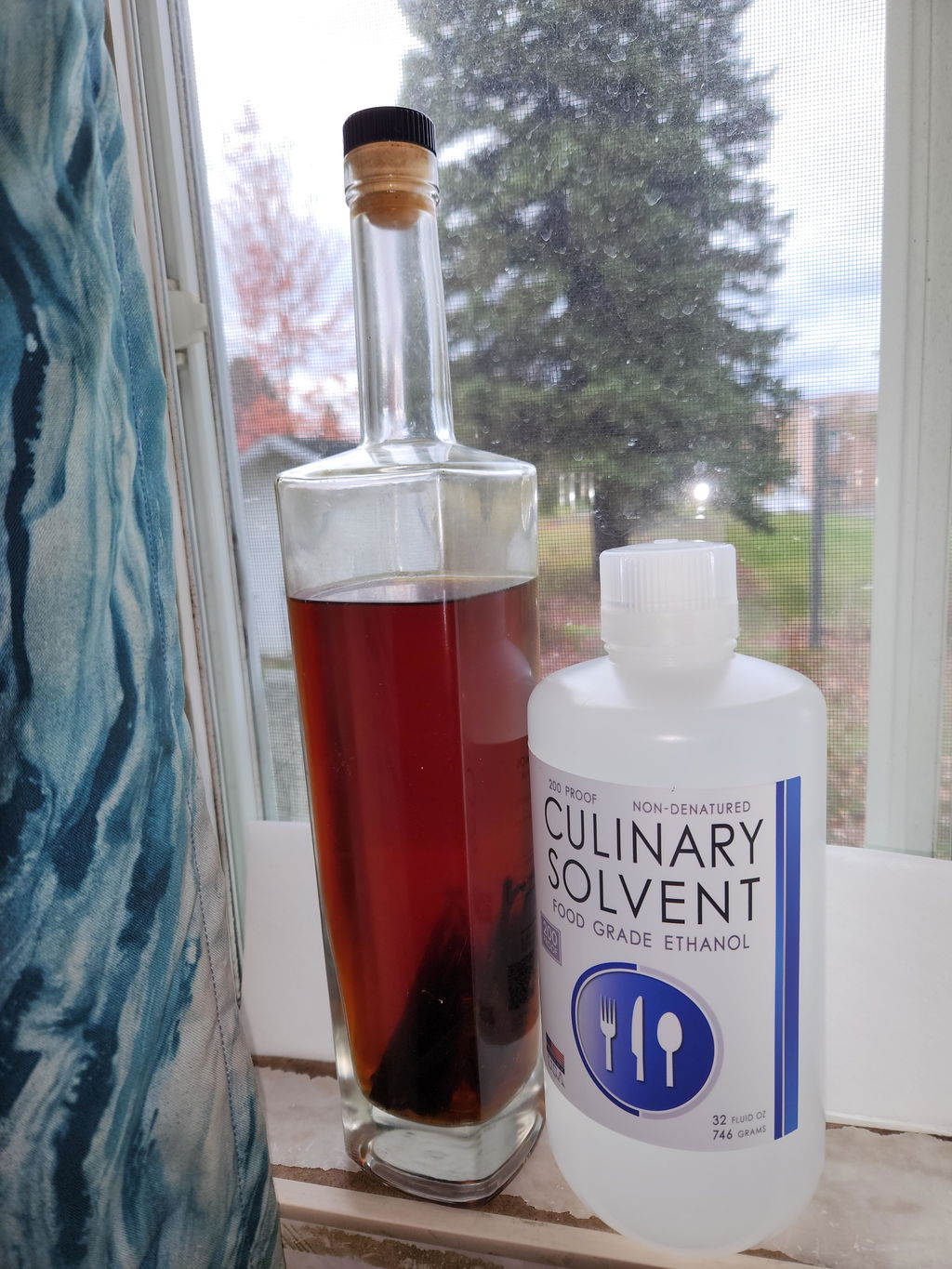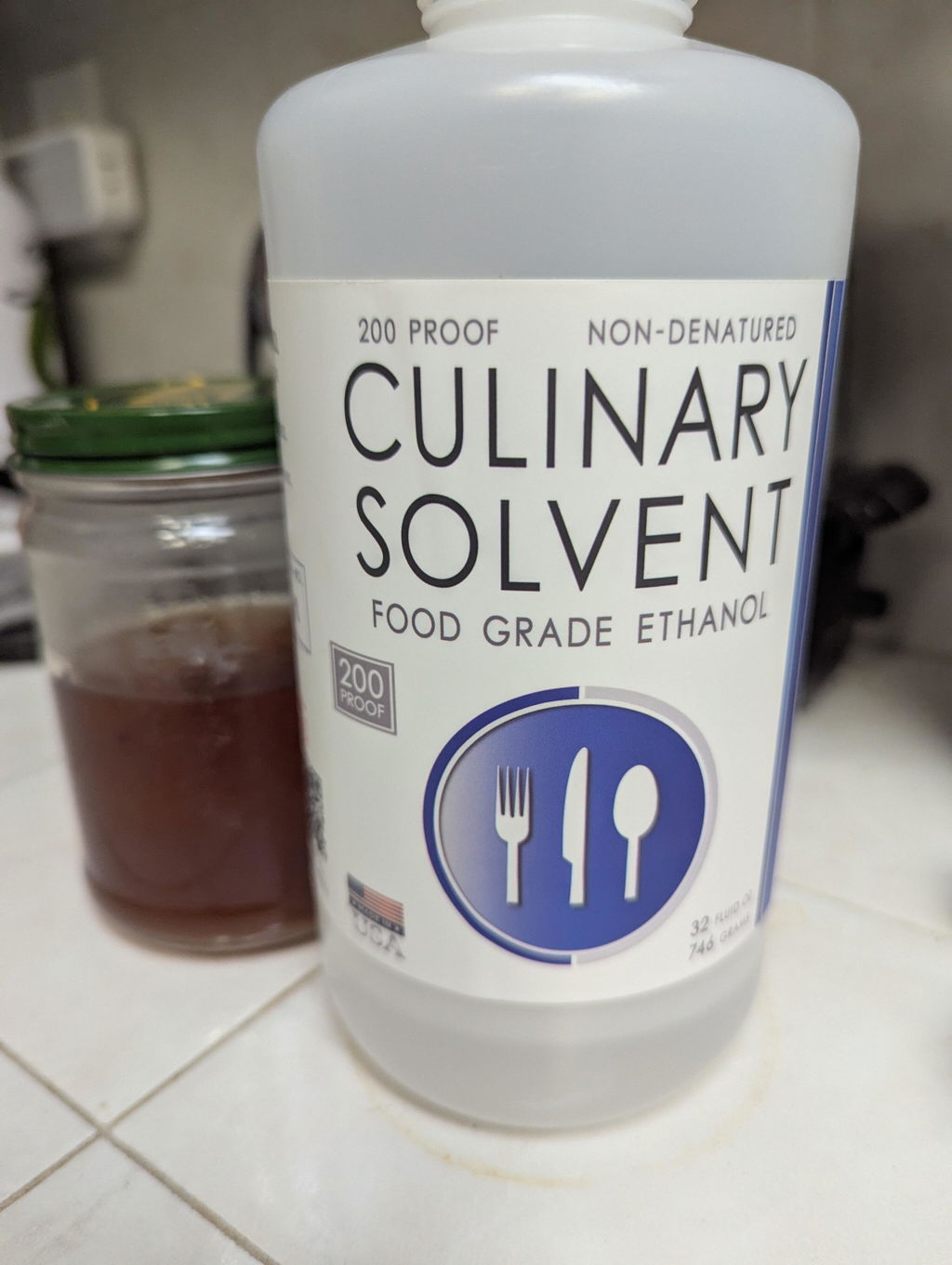

Understanding Why Ethanol and Water Shrink When Mixed - Contraction Explained
If you have ever mixed ethanol and water and noticed the final volume is a little less than expected, you are not imagining things.
This effect is called contraction, and it is an important concept to understand when working with alcohol solutions.
What Is Contraction?
Contraction happens when the final volume of a mixture is less than the sum of the starting volumes.
For example:
If you mix:
- 500 mL ethanol
- 500 mL water
You might expect to get 1000 mL.
In reality, you will get something closer to 960 to 970 mL.
The “missing” volume has not disappeared. The molecules have simply packed together more tightly.
Why Does This Happen?
Ethanol and water molecules interact in a special way.
Water molecules are small and highly polar. Ethanol molecules have both a polar part and a non-polar part.
When mixed:
- Water molecules fit into spaces between ethanol molecules
- Hydrogen bonding pulls the molecules closer together
This creates a tighter structure, which reduces the total volume.
Mass vs Volume (Important Difference)
This is a key point:
- Mass is conserved
- Volume is not
If you weigh your mixture, the total mass will always equal the sum of the parts.
But if you measure volume, it will be slightly less than expected.
This is why precise dilution work is done using weight (grams) instead of volume.
How Much Contraction Happens?
The amount of contraction depends on the ratio of ethanol to water.
It is usually:
- 3% to 4% volume reduction near equal mixtures
- Less at very high or very low alcohol concentrations
This is enough to matter when:
- You are targeting a specific ABV
- You need a precise final volume
- You are scaling up production
Why Contraction Matters
For many casual uses, contraction is small enough to ignore.
But for precise work, it matters.
If you assume volumes add directly:
- Your final alcohol strength will be off
- Your final volume will be off
This becomes more important when:
- Making consistent tinctures
- Following traditional recipes
- Producing larger batches
Example (Simple Illustration)
Let’s say you want 50% ABV and you mix equal volumes:
- 500 mL ethanol
- 500 mL water
Because of contraction:
- Final volume ≈ 960–970 mL
- Actual ABV will be higher than expected
This happens because the ethanol volume did not shrink as much as the total mixture.
How to Work Around Contraction
There are three main approaches:
1. Use Weight Instead of Volume
Measure everything in grams. This avoids the problem entirely.
2. Use Alcohol Tables
Professional distillers use reference tables that account for contraction.
3. Accept Small Error
For simple home use, you may choose to ignore contraction.
When You Should Care Most
You should pay attention to contraction when:
- You need repeatable results
- You are working with precise ABV targets
- You are producing larger batches
- Final volume matters
Connection to Dilution
Contraction is one reason why precise dilution methods rely on:
- Density
- Weight-based calculations
It is also why starting with a known, high-purity ethanol gives you more control.
Closing
Contraction is not a flaw. It is simply how ethanol and water behave when mixed.
Once you understand it, you can decide when it matters and when it does not.
If your goal is precision, measure by weight and plan for contraction. If your goal is simplicity, just know that your final volume may be slightly less than expected.
Either way, understanding this concept puts you in control of your results.