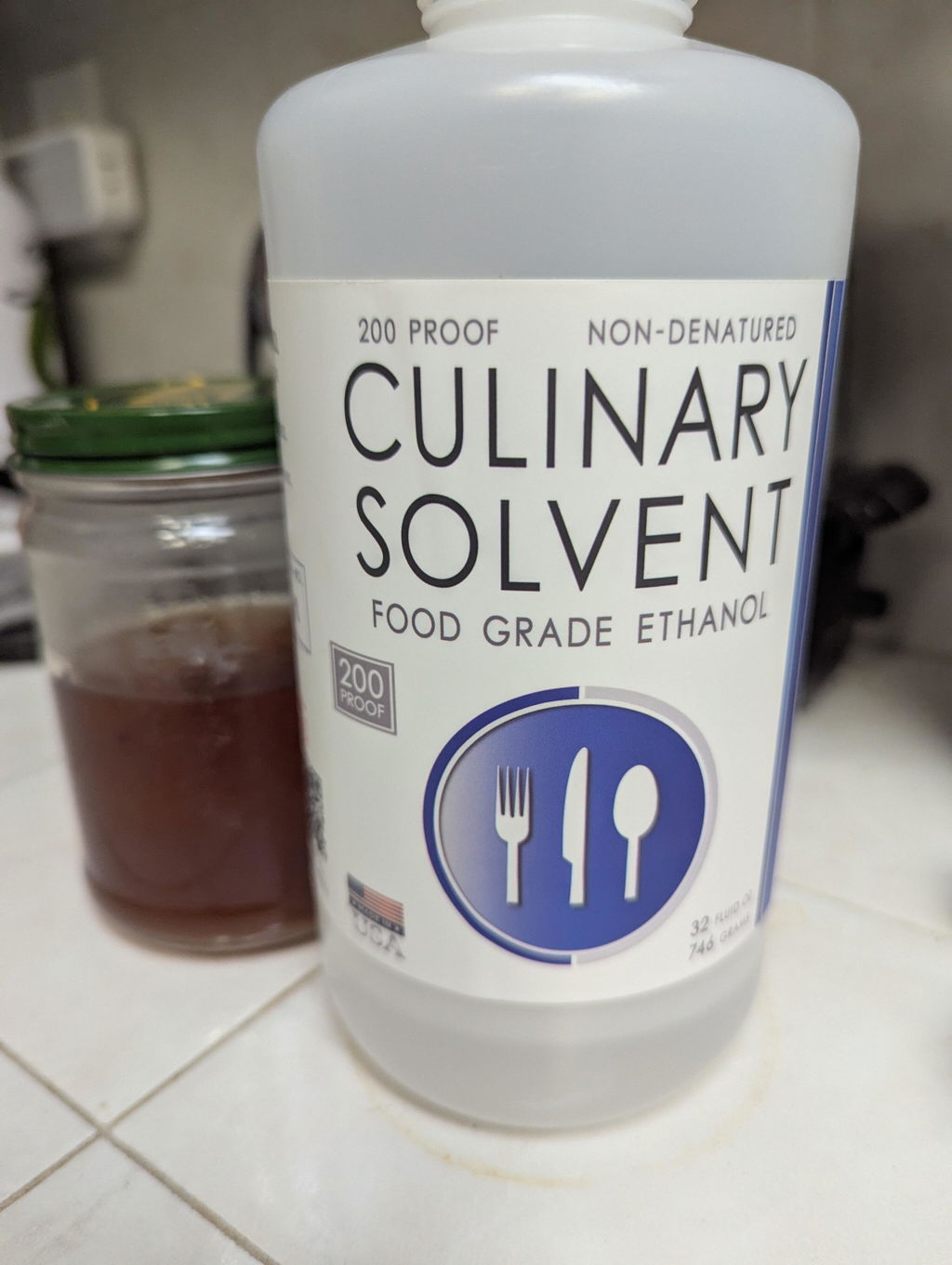

Guide to Mushroom Tinctures and Extracts Food Grade Ethanol
Mushroom extracts are different from many leafy herb tinctures. Mushrooms are fungi with dense cell-wall structure, tough dried texture, and a mix of water-soluble and alcohol-soluble compounds. For many mushroom recipes, the best starting point is a dual extraction process: hot water first, then food grade ethanol.
This guide explains the basics of mushroom extraction, why dual extraction matters, where 200 Proof Food Grade Ethanol fits into the process, and which mushroom recipe guide to read next. It is written for herbalists, apothecaries, DIY extract makers, and anyone comparing mushroom tincture methods before starting a batch.
In This Guide
- Mushroom Extract Basics
- Why Dual Extraction Matters
- Hot Water vs. Alcohol Extraction
- Why Use 200 Proof Food Grade Ethanol?
- Basic Mushroom Dual Extraction Flow
- Choose a Mushroom Extract Recipe
- Sourcing and Preparing Mushrooms
- Safety, Handling, and Storage
- Common Mushroom Extraction Mistakes
- Mushroom Extract FAQ
- Shop Food Grade Ethanol for Mushroom Extracts

Mushroom Extract Basics
A mushroom tincture or mushroom extract is a liquid preparation made by separating soluble compounds from mushroom material into a liquid menstruum. In herbal extraction, the word menstruum means the extraction liquid. For mushroom work, that liquid is often made in stages using water and ethanol.
Many standard herb tinctures use one ethanol-water blend from the beginning. Mushrooms often need a different approach because they are not soft leaves, flowers, or aromatic seeds. Dried mushrooms can be woody, leathery, fibrous, or dense. Their structure affects how well the liquid reaches the material and what the finished extract can capture.
For a broader introduction to ethanol-based herbal extraction, start with food grade ethanol for herbalists and apothecaries. For a full list of other extract projects, visit the homemade tincture and extract recipes directory.
Why Dual Extraction Matters
Dual extraction matters because mushrooms contain different kinds of compounds, and one liquid is not always the best fit for all of them. Hot water and ethanol do different jobs.
- Hot water is commonly used for water-soluble mushroom compounds, including polysaccharide-rich fractions often discussed in mushroom extraction.
- Food grade ethanol is used for the alcohol stage, where it can help extract alcohol-soluble constituents and support the finished blended extract.
- The combined extract brings the water extraction and alcohol extraction together into one finished liquid.
This is why many mushroom extract recipes begin with a hot water decoction and then continue with a separate alcohol stage. The goal is not simply to make the strongest alcohol tincture possible. The goal is to use the right liquid at the right stage.
This page is educational and recipe-focused. Mushroom extracts should not be presented as products that diagnose, treat, cure, or prevent disease. If you are making a mushroom extract for personal wellness use, keep your expectations practical and speak with a qualified professional when health questions matter.
Hot Water vs. Alcohol Extraction
| Extraction Stage | What It Does | Common Role in Mushroom Extracts |
|---|---|---|
| Hot water decoction | Uses heat and water to work on dense mushroom material. | Often used first for water-soluble mushroom compounds. |
| Alcohol maceration | Uses ethanol to extract alcohol-soluble constituents from the mushroom material. | Often used second after the hot water stage. |
| Final blending | Combines the water extract and alcohol extract into one finished preparation. | Creates the finished mushroom dual extract. |
Why Use 200 Proof Food Grade Ethanol?
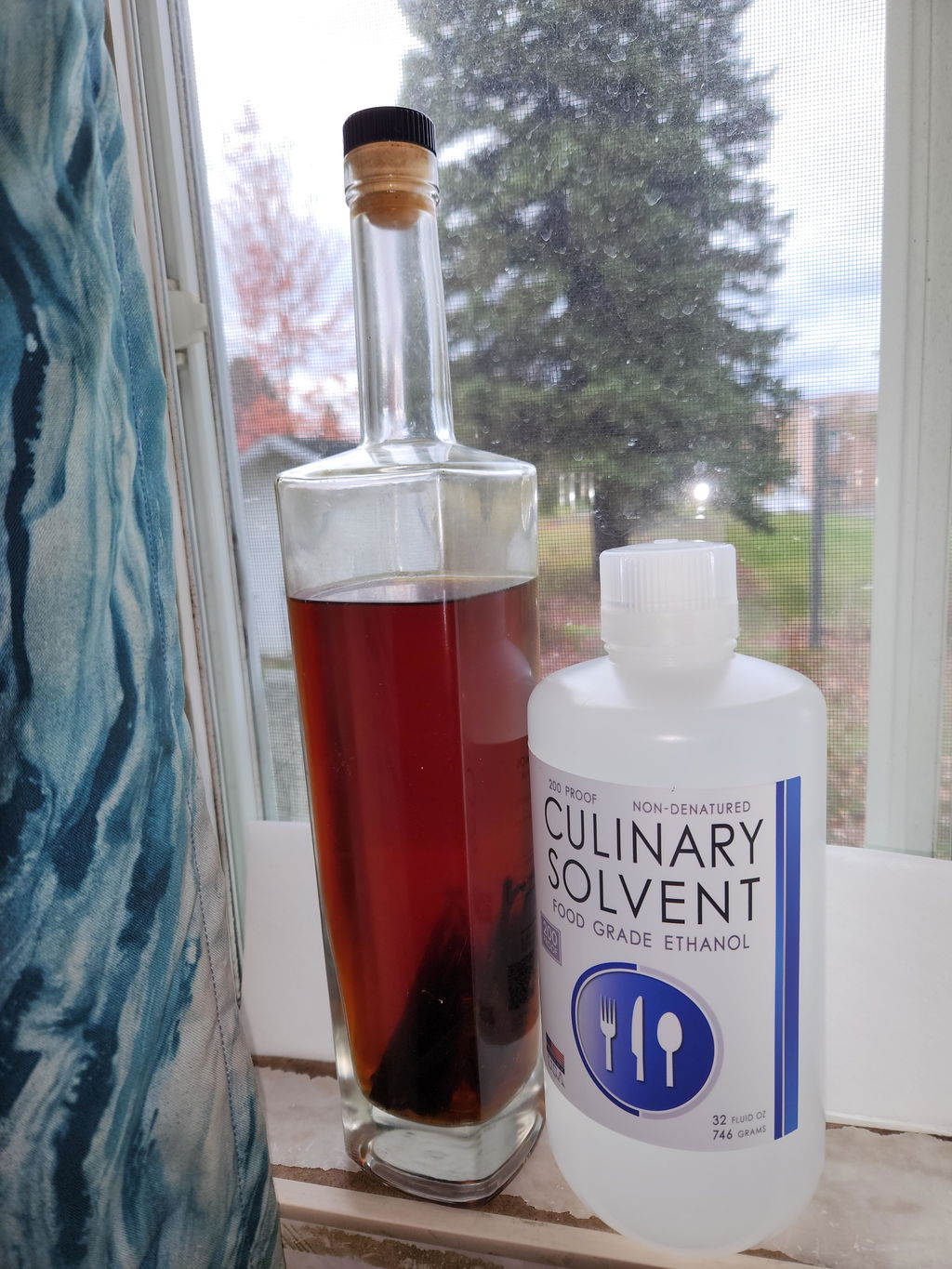
200 Proof Food Grade Ethanol is useful in mushroom extraction because it gives the maker control. Since the water stage already contributes water to the process, starting with high-proof ethanol allows the alcohol stage and final blend to be planned more precisely.
For mushroom dual extracts, 200 proof ethanol is typically used as the alcohol-stage solvent or as the starting alcohol for a custom dilution. It should not be treated as a universal final proof for every finished mushroom extract. The final strength depends on your mushroom, recipe method, water decoction volume, alcohol volume, and blending target.
When you need to adjust proof, use a measured dilution process. The dilute 200 proof ethanol guide explains how to prepare custom strengths. If you want a broader hub on dilution concepts, see diluting food grade ethanol.
Important: Use only food grade, non-denatured ethanol for mushroom extract projects. Do not use denatured alcohol, rubbing alcohol, fuel alcohol, or industrial solvent products for edible or herbal preparations. Learn more in Denatured Alcohol vs. Non-denatured Food Grade Ethanol.
Basic Mushroom Dual Extraction Flow
Each mushroom recipe can vary, so use the individual recipe pages below for exact steps. This general flow shows the logic behind most mushroom dual extraction methods.
- Select the correct mushroom material. Use properly identified, food-appropriate mushroom material from a reputable source.
- Break down the material. Slice, chop, crush, or grind as directed by the recipe. Increased surface area can improve contact with the extraction liquid.
- Make the hot water decoction. Simmer the mushroom material in water as directed to create the water extraction.
- Strain or reserve the material as directed. Some recipes use the same mushroom material for the alcohol stage after the water stage.
- Complete the alcohol stage. Use 200 proof food grade ethanol or a recipe-specific ethanol strength to extract alcohol-soluble constituents.
- Combine the liquids. Blend the water extract and alcohol extract according to the recipe’s target volume and final strength.
- Bottle and label. Store the finished extract in clean amber glass with the mushroom name, date, ethanol used, and method notes.
If you are new to this process, start with one mushroom and follow a full recipe rather than improvising. Mushroom extracts reward careful notes, measured liquids, and patient filtering.
Choose a Mushroom Extract Recipe
Use the guide below to choose the mushroom recipe that matches the material you have on hand. These internal links and images are preserved from the original mushroom extract hub page.

Chaga Mushroom Extract
Chaga is dense and woody, which makes it a good example of why mushroom extraction should not be copied from a soft herb tincture method. Use the Chaga guide for a focused dual extraction recipe.

Cordyceps Mushroom Tincture
Cordyceps extract recipes commonly use water and alcohol stages because different compound types behave differently in each liquid. Use this guide when working with dried Cordyceps material.

Lion’s Mane Mushroom Extract
Lion’s Mane has a different texture than woody polypores, especially when fresh. The Lion’s Mane guide explains how to prepare it and why a mushroom-specific process matters.

Maitake Mushroom Tincture
Maitake, also called Hen of the Woods, is a popular culinary mushroom with a structure that benefits from recipe-specific preparation before extraction.

Reishi Mushroom Extract
Reishi is one of the clearest examples of why an alcohol-only tincture is not enough for many mushroom projects. Use the Reishi recipe for a full dual extraction walkthrough.

Shiitake Mushroom Tincture
Shiitake is familiar in the kitchen, but extraction still requires care. The Shiitake guide explains how hot water and ethanol fit together in a homemade mushroom dual extract.

Turkey Tail Mushroom Tincture
Turkey Tail is a thin, tough polypore that is usually handled differently than soft culinary mushrooms. Use the Turkey Tail guide for a dedicated dual extraction recipe.
Sourcing and Preparing Mushrooms
Good mushroom extract starts with correct mushroom material. Use the right species, the right form, and the right preparation method before any water or ethanol touches the jar.
When buying mushrooms for extraction
- Buy from suppliers that clearly identify the mushroom by common name and, when possible, botanical or fungal species name.
- Look for clean dried material without visible mold, off odors, insects, or damp spots.
- Choose cut, sliced, granulated, or powdered formats based on the recipe. Powder gives more surface area but can be harder to filter.
- Keep notes on supplier, lot, date received, mushroom form, and the recipe used.
When foraging mushrooms
Be conservative. Many mushrooms have look-alikes, and some are dangerous. Do not rely on a blog post, social media photo, or quick image match for mushroom identification. Verify with a qualified local expert, a trusted field guide, or a regional mycology group before using any wild mushroom in food or extract projects.
Before extraction
- Remove dirt, bark, debris, or foreign material.
- Cut or break large pieces into smaller pieces as the recipe directs.
- Weigh your mushroom material before starting.
- Use clean glass jars and ethanol-compatible lids.
- Label every jar before the process begins.
Safety, Handling, and Storage
High-proof food grade ethanol is flammable. Keep it away from flames, stovetops, smoking materials, sparks, and high heat. Use in a ventilated area, keep the bottle closed when not measuring, and review safe practices for food grade ethanol before starting.
Store 200 proof ethanol according to the safe storage best practices for food grade ethanol. Store finished mushroom extracts in clean amber glass bottles, away from heat and direct sunlight. Label finished bottles with the mushroom name, water extraction date, alcohol extraction date, final blend date, ethanol used, and any dilution notes.
For larger projects, review your workspace, container compatibility, ventilation, and local storage rules before scaling. Bigger batches are easier to mishandle when liquids are hot, jars are full, or proof calculations are being done from memory.
Common Mushroom Extraction Mistakes
- Using alcohol only. Many mushroom projects benefit from hot water first. Alcohol alone can miss the purpose of the water stage.
- Using water only. Water-only mushroom decoctions can be useful, but they are not the same as a dual extract.
- Forgetting final ABV. The finished blend is affected by both water extract volume and ethanol volume. Measure, calculate, and label.
- Working with unverified wild mushrooms. Correct identification comes first. No extraction method fixes a misidentified mushroom.
- Using denatured or industrial alcohol. Mushroom extract projects require food grade, non-denatured ethanol.
- Using plastic containers with high-proof alcohol. Use glass jars and ethanol-compatible closures.
- Skipping notes. Record mushroom weight, liquid volumes, dates, proof, and final yield so the batch can be repeated or improved.
Mushroom Extract FAQ
What is the difference between a mushroom tincture and a mushroom extract?
People often use the words interchangeably, but they can imply different methods. A tincture usually refers to an alcohol-based preparation. A mushroom extract may refer to a water extract, an alcohol extract, or a dual extract that combines both.
Do mushrooms need dual extraction?
Many mushroom recipes benefit from dual extraction because water and ethanol do different jobs. The hot water stage is commonly used for water-soluble mushroom compounds, while the ethanol stage is used for alcohol-soluble constituents and final blend support.
Can I just soak mushrooms in 200 proof ethanol?
For most mushroom extract goals, soaking in 200 proof ethanol alone is too narrow of a method. It may complete an alcohol stage, but it does not replace the hot water stage used in many mushroom dual extract recipes.
Why start with 200 proof ethanol?
200 proof ethanol gives you control. Since the water stage already adds water to the process, starting with high-proof food grade ethanol allows more room to plan the alcohol stage and final blend.
Can I use vodka instead?
Vodka is already diluted and usually does not provide the same control over final proof. For recipes designed around 200 proof ethanol, follow the recipe as written or use the dilution guide before making substitutions.
Should I use fresh or dried mushrooms?
Use the form called for in the recipe. Dried mushrooms are common because they are easier to store, weigh, and source consistently. Fresh mushrooms contain more water and may require different handling.
How should I store finished mushroom extract?
Use clean amber glass bottles, tight closures, clear labels, and cool dark storage. Avoid heat, sunlight, and unlabeled containers.
Are mushroom extracts medical products?
No. The recipes on CulinarySolvent.com are educational preparation guides. They are not dosage instructions, medical advice, or disease-treatment directions.
Shop Food Grade Ethanol for Mushroom Extracts
Ready to make a mushroom dual extract? Start with pure, non-denatured 200 Proof Food Grade Ethanol from Culinary Solvent, then follow the mushroom-specific recipe guide for your chosen ingredient.
For organic projects, shop USDA Certified Organic 200 Proof Food Grade Ethanol. For bulk use, see bulk ethanol products.
Next Step
Choose your mushroom recipe above, gather clean glass containers, review safety and dilution guidance, and measure everything before you begin. Mushroom extraction is easier to repeat when your notes are clear from the start.