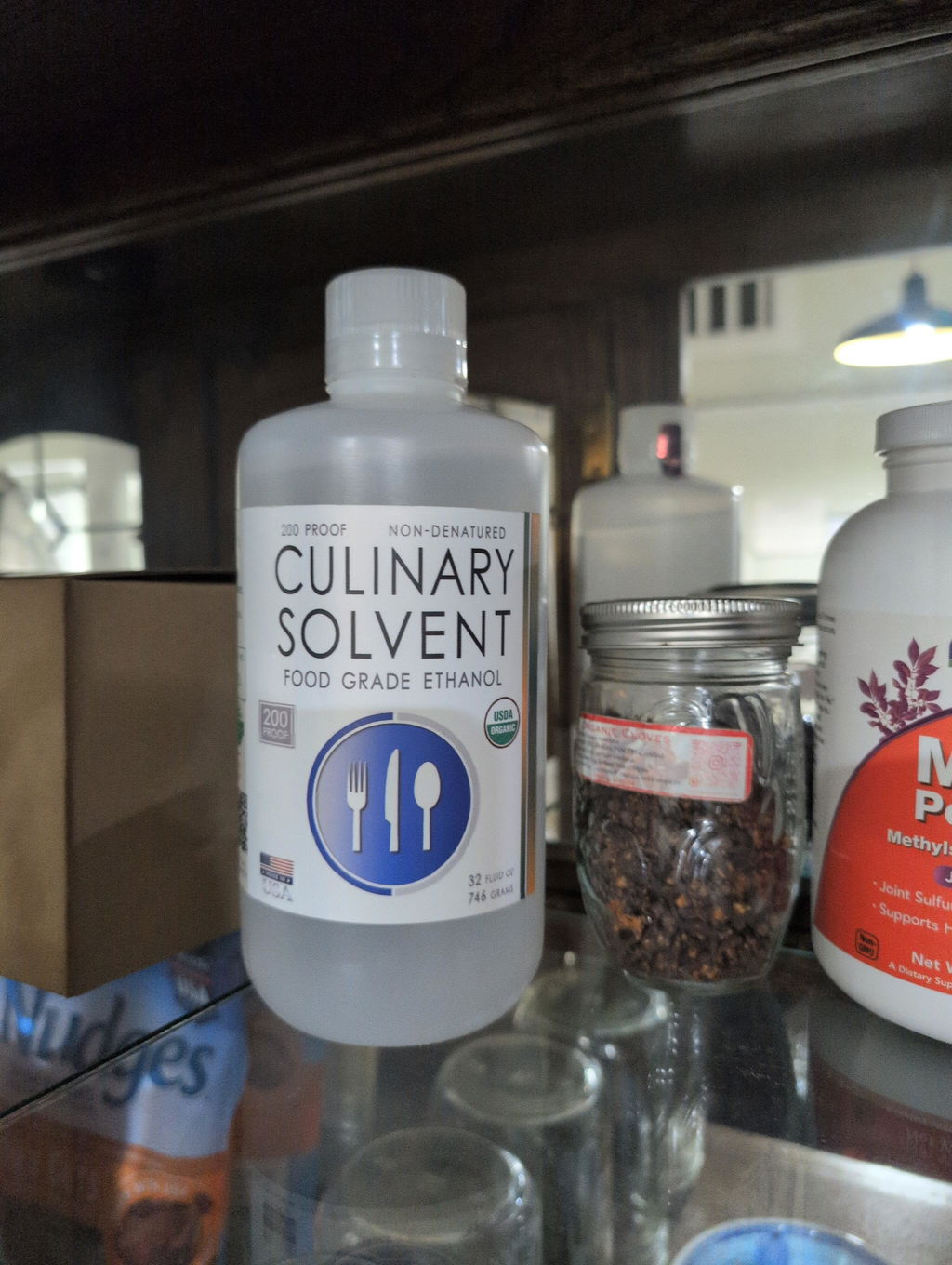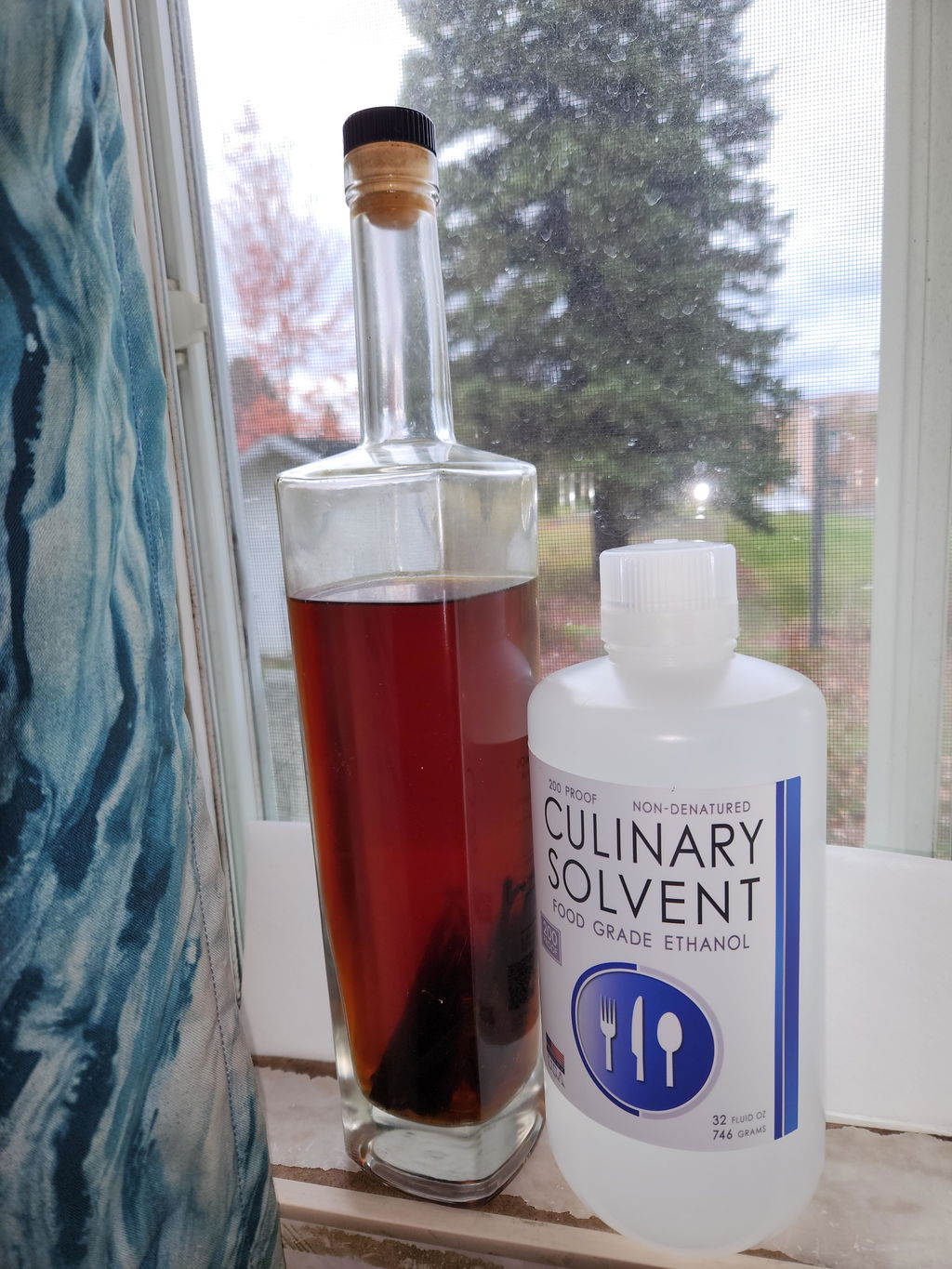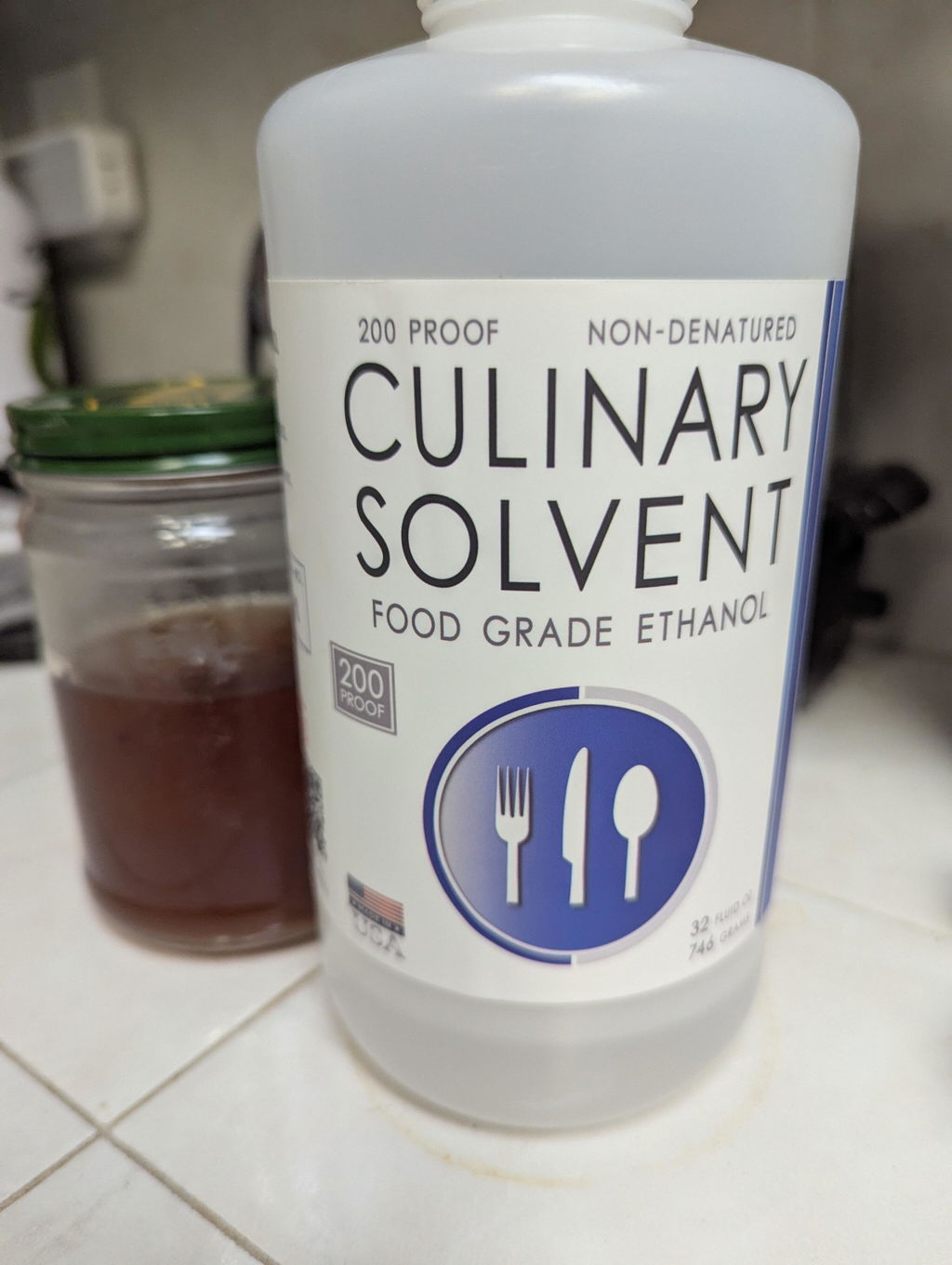

Homemade Key Lime Extraction Recipe using 200 Proof Food Grade Ethanol

Homemade Key lime extract is a tart, aromatic citrus ingredient made by extracting the fragrant oils from fresh Key lime zest into high-proof food grade ethanol. Key limes are known for their small size, thin rind, strong acidity, and floral citrus aroma, making their zest especially useful in Key lime pie, cookies, cakes, frostings, glazes, syrups, sauces, dressings, marinades, and other kitchen recipes.
This guide explains how to choose fresh Key limes, prepare the zest, and make homemade Key lime extract using 200 Proof Food Grade Ethanol. Key lime extraction is different from many herbal tincture recipes because the goal is usually to capture the oil-rich aroma of the outer peel, not to make a diluted ethanol-water botanical menstruum.
For a broader look at Key lime, lime, lemon, orange, grapefruit, pomelo, and other citrus extracts, visit the Citrus extraction guide.
What is Key Lime?
Key lime, also known as Mexican lime or West Indian lime, is a small citrus fruit known for its thin rind, high acidity, strong aroma, and tart floral flavor. It is smaller than the common Persian lime and is closely associated with Key lime pie, but its zest can be used in many other culinary applications.
For extract making, the most useful part of the Key lime is the outer colored zest. This thin surface layer contains aromatic oil glands that give Key lime its bright, sharp citrus scent. The white pith underneath can add bitterness, while the juice adds water, acidity, and sugar. For a clean Key lime extract, focus on the zest and save the juice for another recipe.

Why Make Key Lime Extract?
Key lime extract gives you a convenient way to preserve the fruit’s tart, floral peel aroma in a concentrated liquid form. Fresh Key lime zest is excellent, but Key limes are small and can take more time to prepare than larger citrus fruits. A homemade extract makes Key lime flavor easier to repeat and easier to blend into batters, fillings, glazes, frostings, syrups, sauces, and dressings.
Key lime extract is especially useful for chefs, bakers, and home flavor makers who want a sharper and more floral lime note than standard lime extract. It is a natural fit for Key lime pie-inspired recipes, tropical desserts, cream fillings, citrus glazes, and small-batch flavor projects.
Where Do Key Limes Grow?
Key limes grow best in warm tropical and subtropical climates where citrus trees can thrive. They are associated with the Florida Keys in American food culture, but they are also widely known as Mexican limes or West Indian limes and are grown in other warm citrus-producing regions.
Fresh Key limes may be available through grocery stores, specialty produce markets, Latin markets, citrus suppliers, farmers markets, and home growers. For this recipe, the condition of the peel matters more than the amount of juice inside the fruit. Choose Key limes with clean, aromatic, intact skin and avoid fruit with mold, soft spots, heavy bruising, shriveling, or dried-out rind.
Sourcing and Selecting Quality Key Limes
The quality of homemade Key lime extract begins with the fruit you choose. Look for Key limes that feel heavy for their size and have smooth, glossy, fragrant skin. Since Key limes are naturally small, expect to use more individual fruits to gather the same amount of zest you would get from larger limes.
Organic Key limes are a strong choice when available because the peel is the main ingredient being extracted. If organic Key limes are not available, wash the fruit thoroughly under cool running water and dry it completely before zesting. Avoid heavily waxed fruit when possible, since wax coatings can make clean zest preparation more difficult.
Do not use damaged, moldy, fermented, or dried-out peel. The zest carries the flavor of the finished extract, so fresh, fragrant peel gives the best result.
Preparing Key Lime for Extraction
Wash and dry the Key limes before cutting or zesting. Use a fine grater, citrus zester, vegetable peeler, or sharp paring knife to remove only the thin green to yellow outer layer. Try to leave as much of the white pith behind as possible.
Because Key limes are small and thin-skinned, careful zesting matters. A fine grater can work well, but use light pressure so the bitter white pith does not come along with the zest. Thin strips of zest also work if removed carefully and trimmed before extraction.
Do not add Key lime juice to the extraction jar. Juice adds water, acidity, and sugars, which can dilute the ethanol and change the finished extract. For a clean Key lime extract, use zest only.
Choosing the Right Menstruum
The menstruum is the liquid used to extract flavor and aroma from the ingredient. In many botanical tincture recipes, the menstruum is a blend of ethanol and water because leaves, roots, flowers, seeds, and bark may contain both alcohol-soluble and water-soluble compounds.
Key lime zest is different. A culinary Key lime extract is usually made to capture volatile citrus peel aromatics from the outer zest. Those oil-rich compounds are better suited to high-proof ethanol than to a heavily diluted ethanol-water blend.
For this recipe, the menstruum is 200 proof food grade ethanol used neat. No water is added, and no Key lime juice is included.
Why 200 Proof Works for Key Lime
200 Proof Food Grade Ethanol works well for Key lime extract because it contains no added water. Fresh Key lime zest already brings a small amount of natural moisture into the jar, so starting with 200 proof ethanol helps maintain a strong extraction environment.
For Key lime, the target is the outer peel’s tart, floral citrus aroma. Water can reduce how well the solvent works with oil-forward citrus peel compounds. Using 200 proof ethanol neat keeps the extract focused on fresh zest character instead of creating a diluted, juice-like infusion.
This is the main difference between Key lime extract and many botanical herb tinctures. A dried root, bark, or leaf may need a specific ethanol-water balance, but Key lime zest is best approached as a fresh citrus peel extraction.
Recommended Key Lime Zest-to-Ethanol Ratio
For homemade Key lime extract, use a practical starting ratio of 1 part fresh Key lime zest by weight to 8 parts 200 proof food grade ethanol by volume. For an 8 fl oz batch, that means using 1 oz fresh Key lime zest by weight and 8 fl oz 200 proof ethanol.
| Ingredient | Plant Part | Ratio | Amount for 8 fl oz Menstruum | Solvent Strength |
|---|---|---|---|---|
| Fresh Key lime | Outer green to yellow zest | 1:8 | 1 oz fresh zest by weight | 200 proof ethanol used neat |
This ratio gives the Key lime zest enough ethanol contact to build a tart, aromatic extract without packing the jar with too much peel. Key lime can bring a strong citrus bite, so careful zesting is especially important. If the extract becomes too bitter, the most likely causes are excess white pith, over-maceration, or poor-quality peel.
How to Prepare 8 fl oz of Key Lime Extract Menstruum
No dilution is needed for this Key lime extract recipe. Measure 8 fl oz of 200 proof food grade ethanol. Do not add water. Do not add Key lime juice. The goal is to keep the solvent strong and focused on the aromatic oils in the Key lime zest.
| Final Menstruum Volume | 200 Proof Food Grade Ethanol | Added Water | Target Use |
|---|---|---|---|
| 8 fl oz | 8 fl oz | 0 fl oz | Key lime peel extract |
Recipe Execution
Ingredients
- 1 oz fresh Key lime zest by weight, with as little white pith as possible
- 8 fl oz 200 Proof Food Grade Ethanol
Equipment
- Clean glass jar with a tight-fitting lid
- Kitchen scale
- Zester, peeler, or sharp knife
- Fine mesh strainer, coffee filter, or reusable filter bag
- Amber glass bottle for finished storage
Steps
- Wash the Key limes thoroughly and dry the peel completely.
- Remove the outer green to yellow zest, leaving behind as much white pith as possible.
- Weigh 1 oz of fresh Key lime zest.
- Add the zest to a clean glass jar.
- Pour 8 fl oz of 200 proof food grade ethanol over the zest.
- Seal the jar tightly and shake gently.
- Store the jar in a cool, dark place during maceration.
- Shake the jar once per day to keep the zest in contact with the ethanol.
- Begin checking aroma and flavor after 3 to 5 days. Key lime zest can extract quickly compared with dense roots, bark, or seeds.
- When the extract has the Key lime character you want, strain out the zest and transfer the finished extract to amber glass.
:recipekit:
Storage Best Practices
During maceration, clear glass is acceptable if the jar is kept away from direct sunlight. Store the jar in a cool, dark cabinet and avoid heat, open flames, and prolonged light exposure.
Once the extract is finished, strain it into amber or other UV-protective glass. Label the bottle with the ingredient, solvent, date started, and date strained. If you prefer a stronger ongoing peel character, the zest can remain in the ethanol during the early working period, but straining helps reduce the chance of excess bitterness developing over time.
For more information about storage and handling, see these Storage tips for food grade ethanol.
How to Use Homemade Key Lime Extract
Homemade Key lime extract is a concentrated culinary flavoring. Use it in small amounts where you want a tart, floral lime note without adding the liquid, acidity, or pulp of Key lime juice.
For Chefs and Bakers
Key lime extract can be used in Key lime pie, cookies, cakes, frostings, fillings, glazes, syrups, custards, sauces, dressings, marinades, and dessert components. It works especially well when you want a sharper, more floral lime flavor than standard lime extract. For more ideas, visit the chefs and bakers guide.
For DIY Makers
Key lime extract can also be used in small-batch flavor projects, handmade gifts, and aroma-focused kitchen experiments. For broader project inspiration, see the maker's guide.
Final Thoughts
Key lime is an excellent ingredient for homemade citrus extract because the zest is tart, fragrant, and more floral than standard lime. The most important steps are simple: use fresh clean Key limes, remove only the colored outer zest, avoid the bitter white pith, keep juice out of the jar, and use a solvent that works well with citrus peel oils.
For Key lime extract, 200 proof food grade ethanol is the right fit because the goal is a clean, aromatic peel extract rather than a diluted herbal-style tincture. With careful zesting and room-temperature maceration, fresh Key lime peel can become a bright and useful flavor extract for the kitchen.
Shop Food Grade Ethanol for Key Lime Extract
Ready to make homemade Key lime extract? Start with 200 Proof Food Grade Ethanol from Culinary Solvent for a clean, high-proof solvent suited to citrus peel extraction.