
Why I Keep 200 Proof Food Grade Ethanol Within Reach
This is the third and final post in my series about my three favorite uses for 200 proof food grade ethanol.
My first two favorite uses were making cannabis tinctures and concentrates and making citrus extracts for the kitchen. My third favorite use is much less glamorous.
I use 200 proof food grade ethanol for fingerprints, grease, adhesive residue, ink, dirty tools, stains, and all kinds of little cleanup jobs around the distillery, office, workshop, and our home. It may be the use I rely on most often because there always seems to be something nearby that needs to be wiped, degreased, or cleaned up.
Why I Keep It Within Reach
We spend a lot of time around stainless steel tanks, glass bottles, packaging materials, labels, tools, computer equipment, and shipping supplies. All of those things collect fingerprints, oils, dust, tape residue, marker, grease, and the occasional mystery spot.
When I know the surface is compatible with ethanol, a small amount of USDA Certified Organic 200 Proof Food Grade Ethanol on a paper towel is often the first thing I reach for.
It cuts through oily residue quickly and usually evaporates before I have time to put the bottle away.
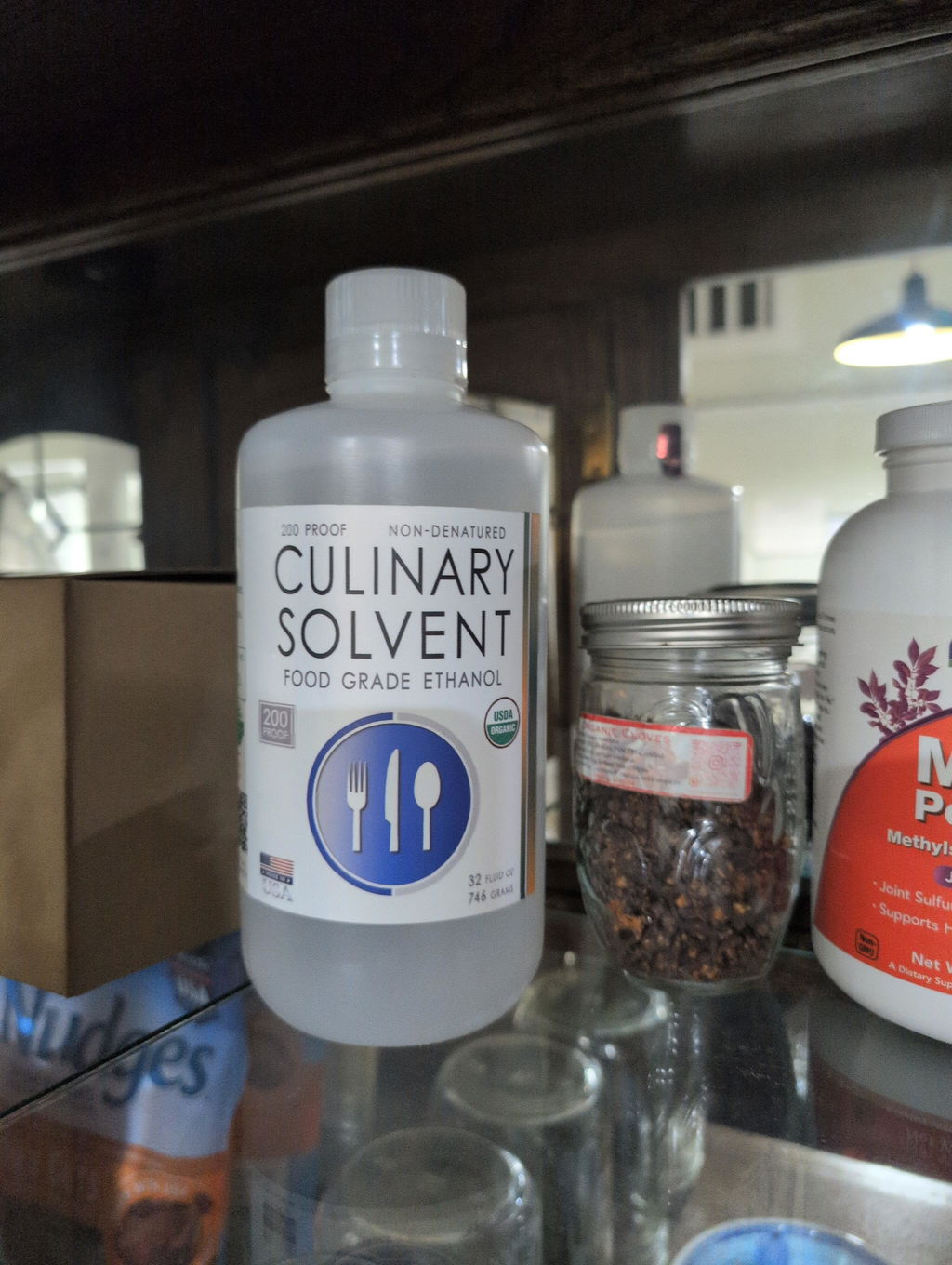
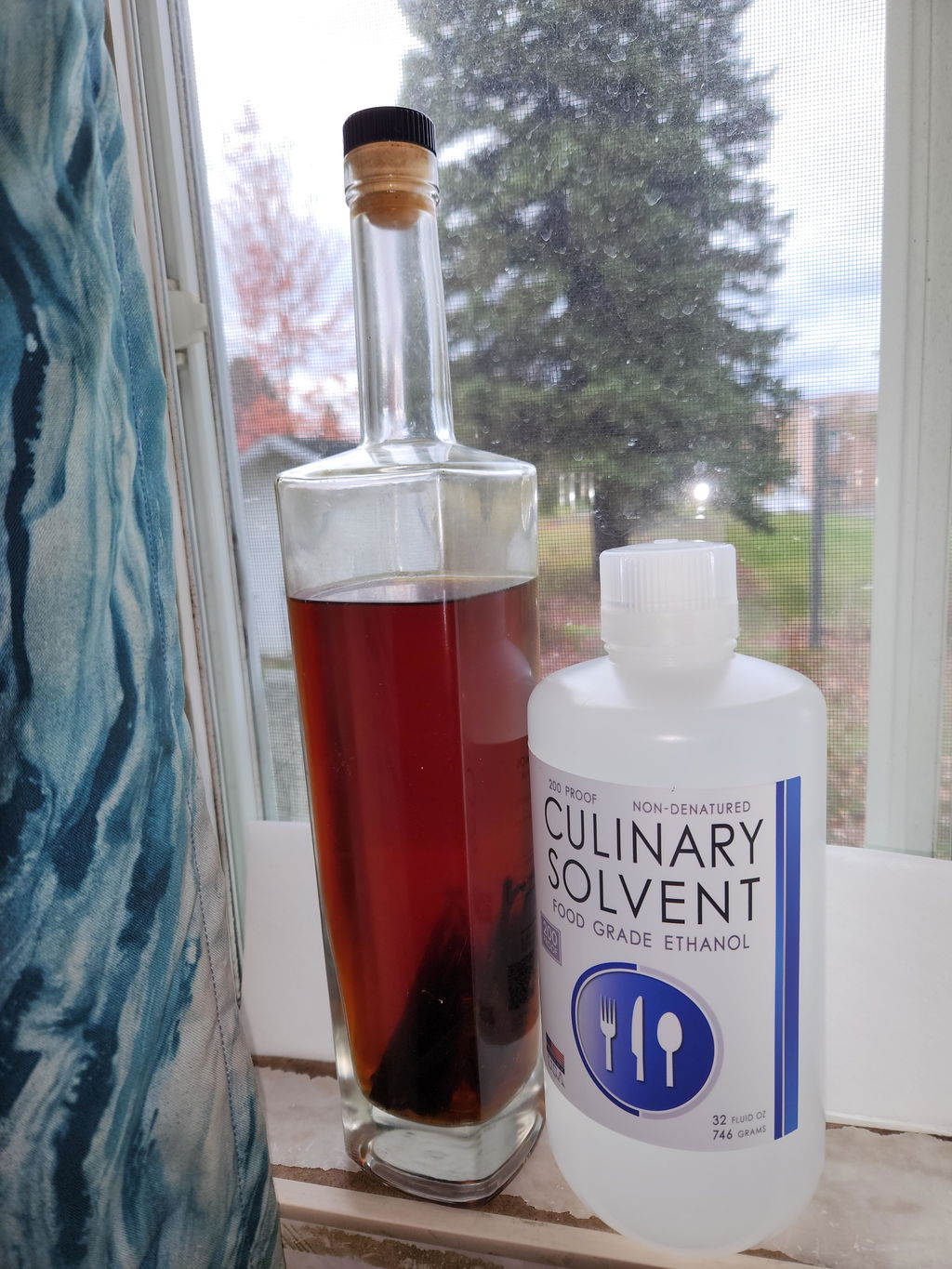
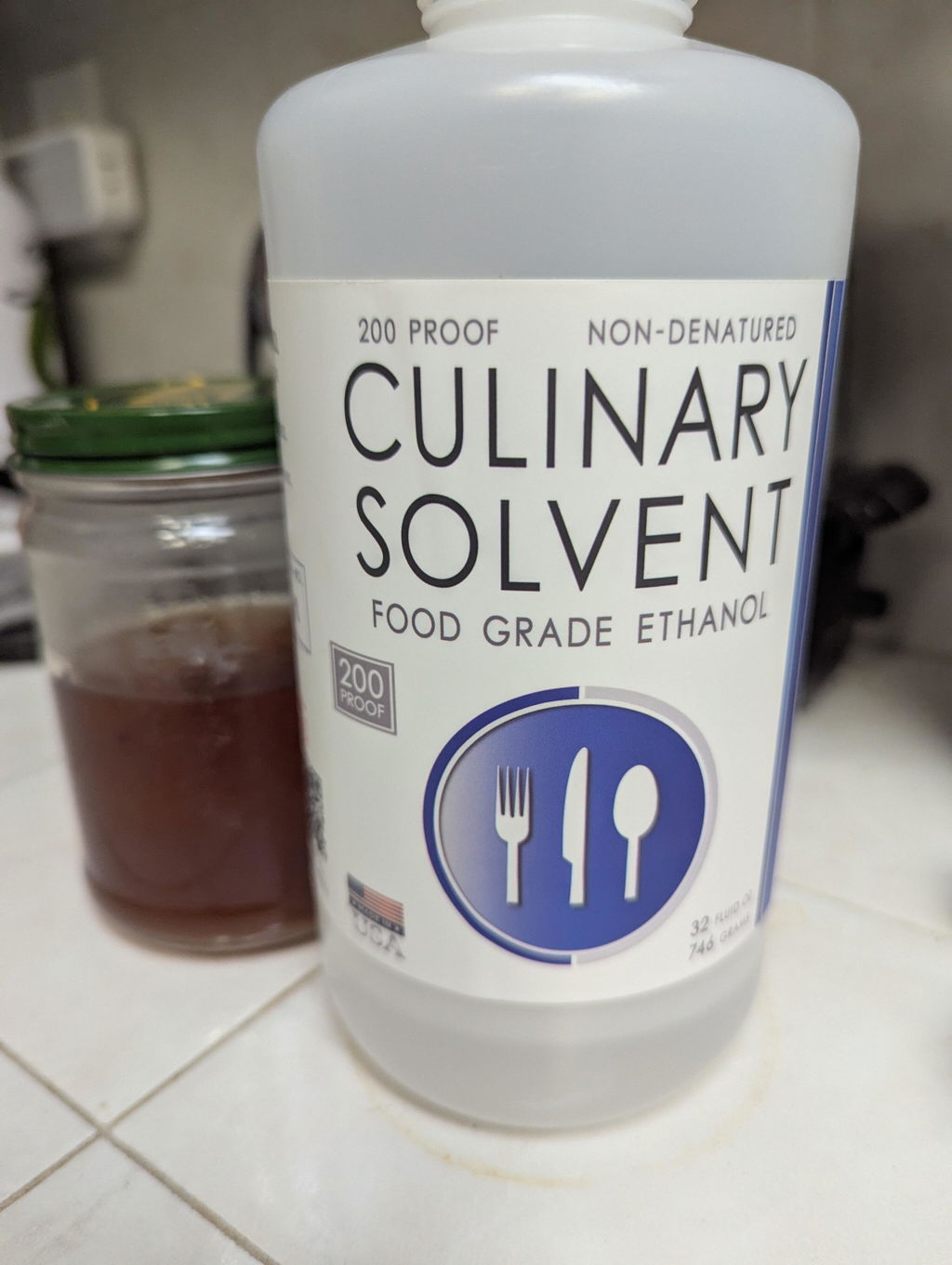
I also like knowing exactly what is in the bottle... Culinary Solvent is pure, non-denatured food grade ethanol without the bitterants, fragrances, dyes, or other additives commonly found in denatured and household alcohol products and often the source of mystery residue that's left behind.
Readers who want to understand that distinction can read more about denatured alcohol versus non-denatured food grade ethanol.
The Everyday Jobs Where I Use It
I do not use ethanol for every mess or every surface. I use it for specific jobs where a strong, fast-evaporating solvent makes sense.
Fingerprints and Oily Smudges
Stainless steel and glass seem to collect fingerprints immediately after they are cleaned.
A small amount of ethanol on a clean, lint-free cloth can remove skin oils and leave a compatible glass or metal surface looking clean without a long drying time.
I find this especially useful when photographing products, preparing display items, cleaning glass containers, or removing fingerprints from stainless steel equipment.
Label and Tape Residue
Labels and packing tape sometimes leave a sticky film behind after they are removed.
Ethanol can soften or dissolve some adhesive residues on compatible glass and metal surfaces. I apply a small amount to a cloth, work slowly, and give it time to loosen the residue.
Some adhesives respond immediately. Others barely react. A plastic scraper or a different cleaning method may still be needed, depending on the adhesive and the surface underneath it.
Grease and Oil on Tools
Small tools, metal parts, measuring equipment, and work surfaces can develop a thin layer of grease or oil that soap and water do not remove easily.
For compatible items, ethanol can help break up that residue before the surface is wiped clean.
I use the smallest amount needed and avoid spraying it broadly across a work area. Applying it directly to a cloth gives me more control and creates less vapor.
Ink, Marker, and Mystery Marks
Ethanol can also lift certain inks, marker stains, and transferred residue from compatible surfaces.
This is one of those jobs where testing first matters. The same solvent that removes the unwanted mark may also remove paint, printed graphics, protective coatings, or the finish underneath it.
Preparing a Compatible Surface
Sometimes I use ethanol as a final wipe before applying a label, inspecting a part, photographing a product, or beginning another project.
The goal is to remove light oil and residue without leaving a soapy film behind.
This works best on known, ethanol-compatible materials. Surface preparation requirements vary, so I still follow the instructions provided by the label, adhesive, coating, or equipment manufacturer.
Why I Like 200 Proof for Cleanup
Two qualities make 200 proof ethanol especially useful for these jobs.
- First, it is a strong solvent for many oils, greases, adhesives, inks, and residues.
- Second, it contains almost no water, so it evaporates quickly from an exposed surface.
That combination is helpful when I want to clean a small area without soaking it or waiting for a large amount of water to dry.
The purity also matters to me. I manufacture and sell Culinary Solvent through our family owned and operated distillery in Brewer, Maine. I know the product, I know how it was handled, and I know it contains pure food grade ethanol.
For more examples of workshop, craft, and household applications, visit our guide to food grade ethanol for makers.
Cleaning and Disinfecting Are Different Jobs
I want to make an important distinction here.
Cleaning removes dirt, oils, grease, residue, and other material from a surface. Disinfecting uses an appropriately prepared product or solution to reduce microorganisms on a surface.
Straight 200 proof ethanol is useful for many cleaning and degreasing jobs. It should not automatically be treated as the correct concentration for disinfection.
Water plays an important role in properly formulated alcohol disinfectant solutions. When my goal is surface disinfection, I use a measured recipe designed for that job.
You can find the complete instructions in our 70% alcohol solution recipe using 200 proof food grade ethanol.
Our surface disinfectant information hub also collects recipes and supporting information about choosing and preparing the correct concentration.
Always Test the Surface First
Ethanol is a strong solvent. That is the reason it works, and it is also the reason I do not assume it is safe for every material.
Alcohol can damage, dull, soften, cloud, discolor, or remove certain:
- Paints and printed graphics
- Wood finishes and furniture coatings
- Shellac and spirit varnish
- Acrylic, polycarbonate, and other plastics
- Rubber, seals, and some adhesives
- Electronic screens and protective screen coatings
- Coated metals and specialty finishes
I test a small, hidden area before cleaning an unfamiliar surface. If I do not know what the material or finish is, I stop and check the manufacturer’s instructions.
I also apply ethanol to the cloth rather than pouring or spraying it directly onto the object. This reduces drips, limits vapor, and gives me better control over where the solvent goes.
Keep Kitchen and Workshop Supplies Separate

One bottle of food grade ethanol can support many different projects, but I keep the supplies for those projects separate.
A cloth used to degrease a tool does not return to the kitchen. A container used around paint, ink, grease, adhesive, or workshop materials is clearly labeled and stays in that area.
I use dedicated cloths, bottles, funnels, and measuring tools for food projects, cleaning jobs, and workshop uses.
This habit prevents cross-contamination and makes it easier to know exactly where each tool has been.
Safe Handling Matters
High-proof ethanol is extremely flammable.
Keep it away from flames, stovetops, grills, pilot lights, sparks, smoking materials, hot tools, motors, heaters, and other ignition sources.
Work in a ventilated area. Apply the smallest amount needed. Keep the original bottle closed when you are not actively dispensing from it.
Do not soak used cloths and leave them in a pile near heat or ignition sources. Allow any remaining ethanol to evaporate safely in an appropriate ventilated location before storing or disposing of the cloth according to your local requirements.
Keep ethanol securely stored away from children and pets. Label all secondary containers clearly and never place ethanol in an unlabeled beverage or food container.
Review our food grade ethanol safety guidance and safe storage recommendations before beginning a new cleaning or workshop project.
-Scott (AKA Owner, Founder, Smudge-Remover, and Mr. Tincture)