
Cedar, Thuja, and Food Grade Ethanol: Safety Notes for Botanical Extract Makers

Cedar is a meaningful evergreen ingredient with deep traditional, cultural, aromatic, and botanical significance. It is also an ingredient that deserves more caution than many beginner tincture recipes provide. The word “cedar” can refer to several different plants, and some cedar-like evergreens contain potent aromatic constituents, including thujone. This guide explains why cedar and thuja extracts require careful identification, cautious external-use framing, and a clear understanding of what high-proof food grade ethanol can and cannot do.
In This Guide:
- Why “Cedar” Needs a Specific Botanical Name
- What Is Thuja?
- Traditional and Cultural Context
- Why Cedar Is Not a Beginner Internal Tincture Ingredient
- Plant Parts Matter: Bark, Leaf, Twig, and Essential Oil
- What the Research Says About Thuja Constituents
- External-Use Traditions and Regulatory Context
- Does Food Grade Ethanol Make Sense for Cedar or Thuja?
- Safer Takeaway for Home Extract Makers
- Research and References
- Final Thoughts
Why “Cedar” Needs a Specific Botanical Name
“Cedar” is a common name, not a precise botanical identification. Depending on region and context, cedar may refer to northern white cedar, western red cedar, eastern red cedar, true cedars, arborvitae, junipers, or cedarwood materials used in fragrance and woodworking. These are not interchangeable plants.
For botanical extract makers, this matters. A recipe that says “cedar bark tincture” without a botanical name can be confusing or unsafe because the reader may gather the wrong plant, the wrong plant part, or material from an ornamental landscape plant that has been treated with pesticides or other chemicals.
This article focuses mainly on Thuja occidentalis, commonly called northern white cedar, eastern white cedar, white-cedar, arborvitae, thuja, or tree of life. If you are working with any plant called cedar, always confirm the botanical name before making an extract.
What Is Thuja?
Thuja occidentalis is an evergreen conifer in the Cupressaceae family. It is native to parts of North America and is also widely cultivated as an ornamental tree. Health Canada lists common names for Thuja occidentalis including American arborvitae, arborvitae, cedar, eastern white cedar, northern white-cedar, swamp cedar, thuja, tree of life, and white-cedar.
In herbal and botanical references, thuja is often discussed in connection with its herb tops, leaves, twigs, and aromatic volatile compounds. That does not mean every cedar-labeled material is appropriate for homemade extracts. It means the plant identity and plant part need to be clear before any extraction method is considered.
Traditional and Cultural Context
Northern white cedar has long-standing cultural importance for Indigenous communities. It has been used in medicine, ceremony, craft, building, and other practical traditions. Because cedar can hold sacred meaning, it should be discussed respectfully and not reduced to a generic wellness trend or sales hook.
For customers and extract makers, the safer way to describe cedar is as an important traditional and aromatic evergreen with cultural, ceremonial, topical, and practical uses. Avoid turning traditional context into direct medical claims. A phrase such as “traditionally used in herbal and cultural practices” is safer and more respectful than claiming that cedar tincture treats infections, colds, inflammation, or immune problems.
Why Cedar Is Not a Beginner Internal Tincture Ingredient
Cedar and thuja should not be treated like a simple beginner tincture ingredient. Thuja occidentalis contains aromatic constituents that can be potent, irritating, and safety-sensitive. The main concern is thujone, a volatile compound found in several plants and essential oils.
Because of these safety concerns, this article does not provide an internal cedar tincture recipe. Internal use of cedar or thuja preparations should not be casually encouraged in a general home extract-making guide. Anyone considering internal use should work with a qualified professional who understands the plant species, plant part, dosage form, thujone risk, contraindications, and individual health context.
Customers should also avoid using thuja preparations during pregnancy unless specifically directed by a qualified health professional. Essential oils and concentrated extracts require even more caution than simple plant infusions.
Plant Parts Matter: Bark, Leaf, Twig, and Essential Oil
The old phrase “cedar bark tincture” can create problems because the plant part is not always clear. Health Canada’s topical thuja monograph identifies the source material as dried Thuja occidentalis herb top, not generic cedar bark. EMA’s summary report discusses ethanolic extraction of fresh leaves and twigs in the context of homeopathic mother tincture preparation.
Bark, leaf, twig, resin, and essential oil are not the same material. They can differ in chemistry, potency, safety profile, and traditional use. Removing bark from a live tree can also damage or kill the tree. For ethical harvesting, avoid stripping bark from living trees. If plant material is gathered at all, use responsible pruning material, windfall, or trusted purchased material with a verified botanical identity.
What the Research Says About Thuja Constituents
Thuja occidentalis contains essential oils and other plant compounds. EMA describes the leaves and twigs as rich in essential oils, mainly terpenes, with thujone as a predominant constituent. Other reported constituents include alpha-pinene, myrcene, limonene, fenchone, borneol, flavonoids, tannins, thujapolysaccharides, and proteins.
This chemistry explains why high-proof ethanol may capture strong aromatic character from thuja-like material. It also explains why stronger is not automatically better. When a plant contains constituents of concern, a more aggressive extraction can create a more potent preparation, and potency is not always a customer benefit.
It is also not accurate to say that 200 proof ethanol creates a complete “full-spectrum” cedar extract. 200 proof ethanol is excellent for high-alcohol extraction of aromatic and resin-associated constituents, but water is important for many water-soluble compounds. If a maker’s goal includes water-soluble material, a hydroalcoholic blend may be more appropriate than straight 200 proof ethanol. That said, solvent choice does not solve the central safety issue: thuja is not a casual internal-use ingredient.
External-Use Traditions and Regulatory Context
Health Canada’s current Thuja occidentalis monograph is specifically topical. It lists acceptable dosage forms such as cream, gel, liquid, lotion, ointment, paste, salve, solution, and topical liquid. It also includes traditional topical uses such as helping remove warts on the hands and feet and helping relieve fungal infections such as ringworm.
Most important for customers: the same monograph includes the warning “For external use only” and advises keeping products out of reach of children, with poison-control or medical guidance if swallowed. That is a strong reason to avoid presenting cedar or thuja as a simple internal tincture project on a general customer blog.
This page does not teach customers how to make a medicinal topical thuja product. Topical products still require correct identification, formulation knowledge, safe concentration, skin-sensitivity awareness, appropriate labeling, and regulatory care if sold. The purpose here is to help botanical extract makers understand why cedar and thuja need caution before they start experimenting.
Does Food Grade Ethanol Make Sense for Cedar or Thuja?
Food grade ethanol can make sense for cedar or thuja in narrow, careful contexts, especially for aromatic study, botanical education, or external-use formulation research by people who understand the safety issues. It is not a reason to make a stronger internal tincture.
| Possible Use | Fit With Food Grade Ethanol | Important Caution |
|---|---|---|
| Aromatic cedar or thuja extract for study | Good fit | Use correct plant ID and avoid internal use. |
| External-use formulation research | Possible fit | Requires topical formulation knowledge and careful concentration control. |
| Salve or topical product ingredient | Possible fit | Do not sell or apply casually without safety and regulatory review. |
| Internal cedar bark tincture | Not recommended for this guide | Thujone and plant-part ambiguity make this unsuitable for a beginner recipe. |
| “Full-spectrum” 200 proof cedar extract | Misleading framing | 200 proof does not extract water-soluble compounds the same way a hydroalcoholic blend can. |
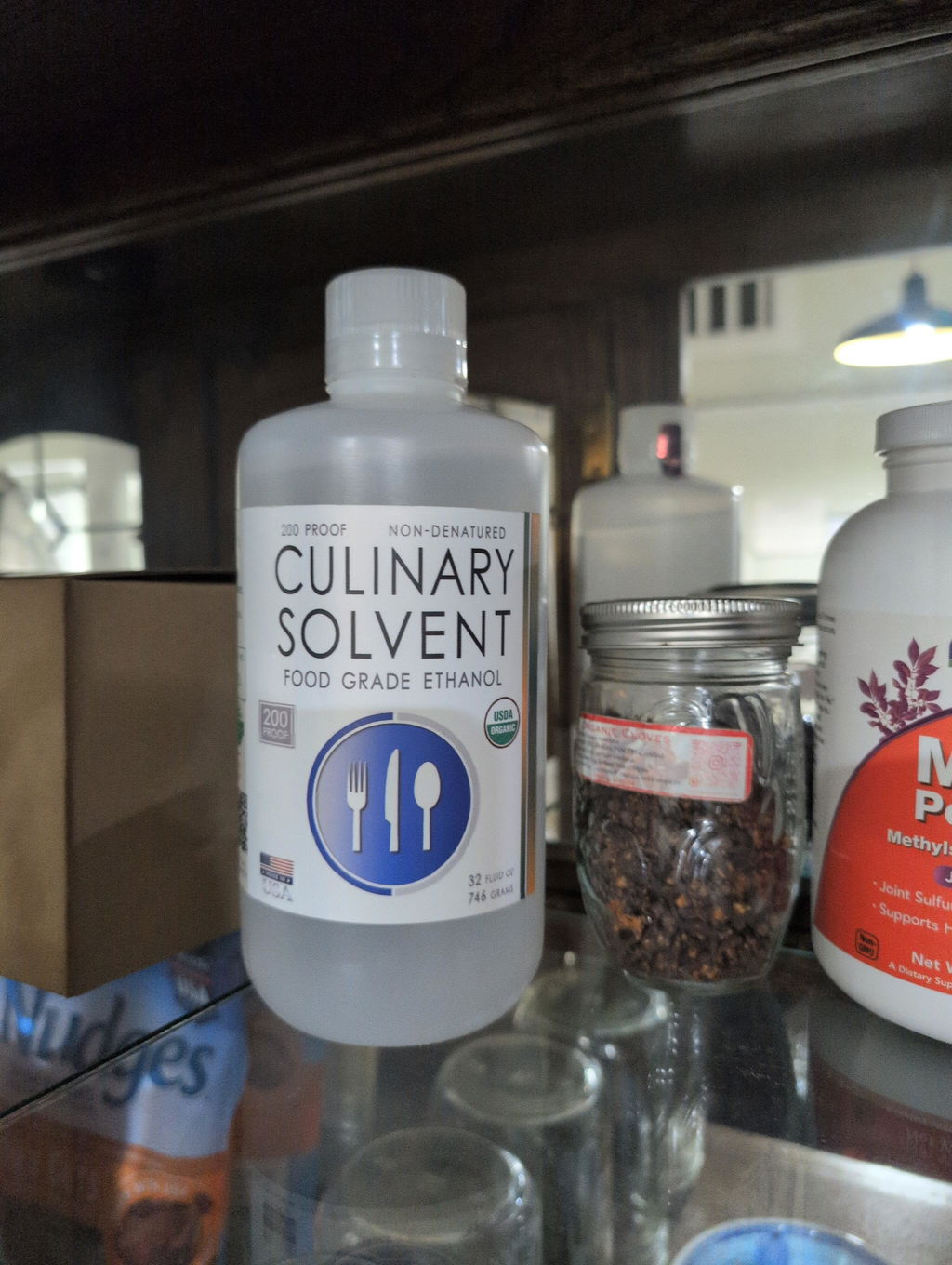
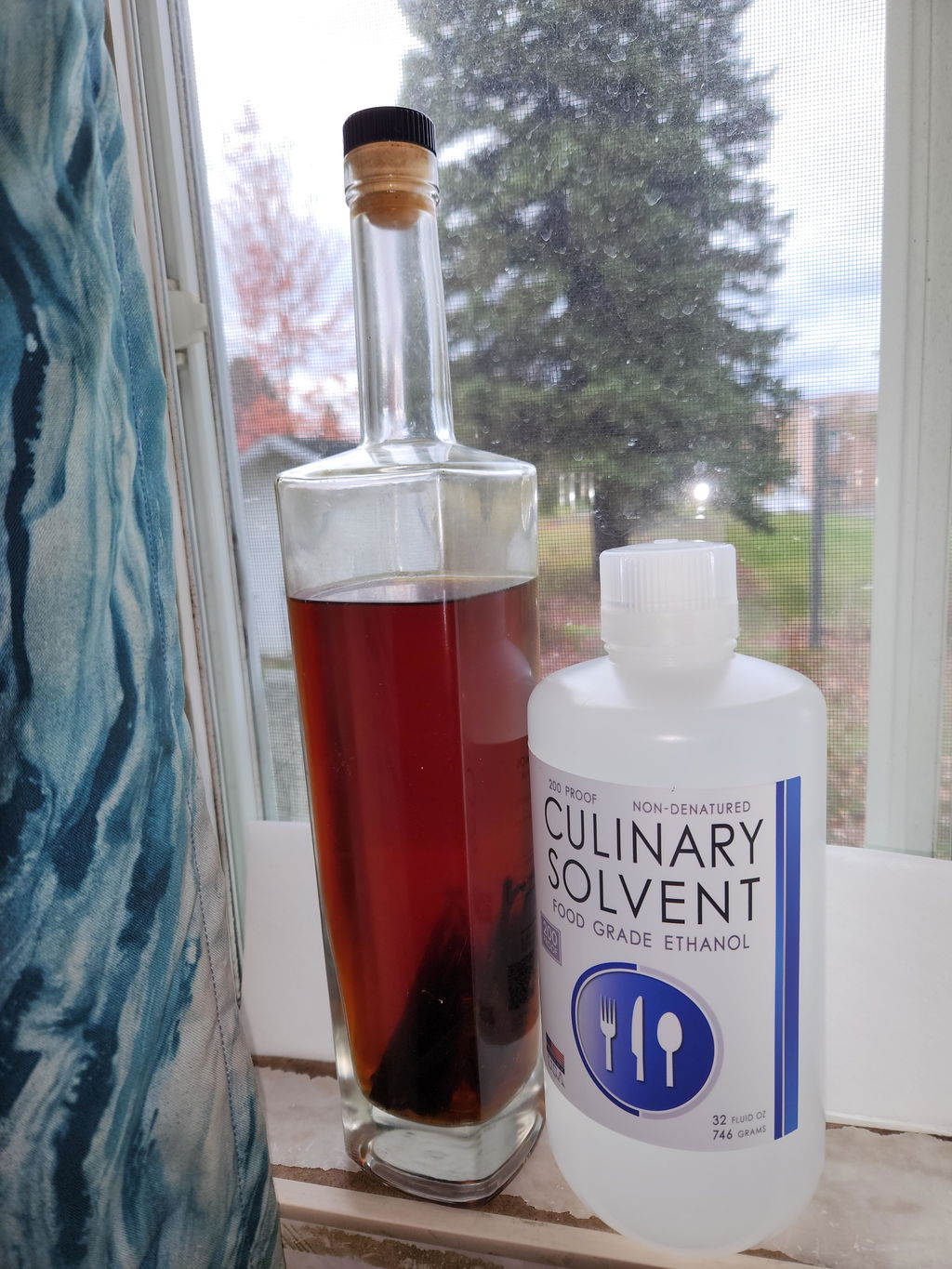
For customers interested in botanical extract making, 200 Proof Food Grade Ethanol is useful when a high-alcohol solvent is appropriate. For lower-proof botanical extracts, USDA Certified Organic 190 Proof Food Grade Ethanol can be blended with water to reach a target proof. With cedar or thuja, the bigger decision is not which proof to choose. The bigger decision is whether the project is appropriate at all.
Safer Takeaway for Home Extract Makers
If you are new to tincture-making, cedar and thuja should not be your starting point. Choose beginner-friendly ingredients with clearer internal-use traditions and wider safety margins. Cedar and thuja are better treated as advanced, safety-sensitive, external-use or aromatic-study ingredients.
Before working with cedar or thuja, use this checklist:
- Confirm the botanical name. Do not rely on the common name “cedar.”
- Confirm the plant part. Bark, leaf, twig, resin, and essential oil are not interchangeable.
- Avoid internal-use recipes unless guided by a qualified professional.
- Do not use during pregnancy unless directed by a qualified health professional.
- Do not use material from sprayed ornamental landscapes, roadsides, or contaminated areas.
- Do not strip bark from living trees.
- Keep all ethanol extracts away from children, pets, heat, sparks, and open flame.
- Label every extract clearly with botanical name, plant part, solvent strength, date, and intended use.
Research and References
The following sources were used to guide the safety framing, plant-part notes, and regulatory context in this article:
- Health Canada: Thuja occidentalis topical monograph
- Health Canada PDF: Thuja occidentalis topical monograph
- European Medicines Agency: Thuja occidentalis summary report
- European Medicines Agency: Thujone-containing herbal medicinal products
- Thuja occidentalis review: ethnobotany, phytochemistry, and pharmacology
- NATIFS: White cedar ingredient profile
- FDA: Structure/function claims
- FTC: Health Products Compliance Guidance
Final Thoughts
Cedar and thuja are important evergreen materials with cultural, aromatic, and botanical significance. They are also safety-sensitive ingredients that should not be presented as casual internal tincture projects. The most responsible approach is to begin with accurate plant identification, respect the traditional context, understand the thujone concern, and avoid broad wellness claims.
Food grade ethanol can be a useful tool for botanical extract makers, but the solvent does not make every plant a good tincture ingredient. With cedar and thuja, caution is the main lesson. For most home makers, this topic is better approached as safety education, aromatic study, or external-use formulation research rather than an internal tincture recipe.
Disclaimer: This content is for informational and educational purposes only. It is not medical advice and does not provide instructions for internal use of cedar, thuja, or thujone-containing preparations. Consult a qualified professional before using botanical preparations for any specific purpose. Use only correctly identified plant material from a trusted source. Keep all high-proof ethanol and botanical extracts away from children, pets, heat, sparks, and open flame.