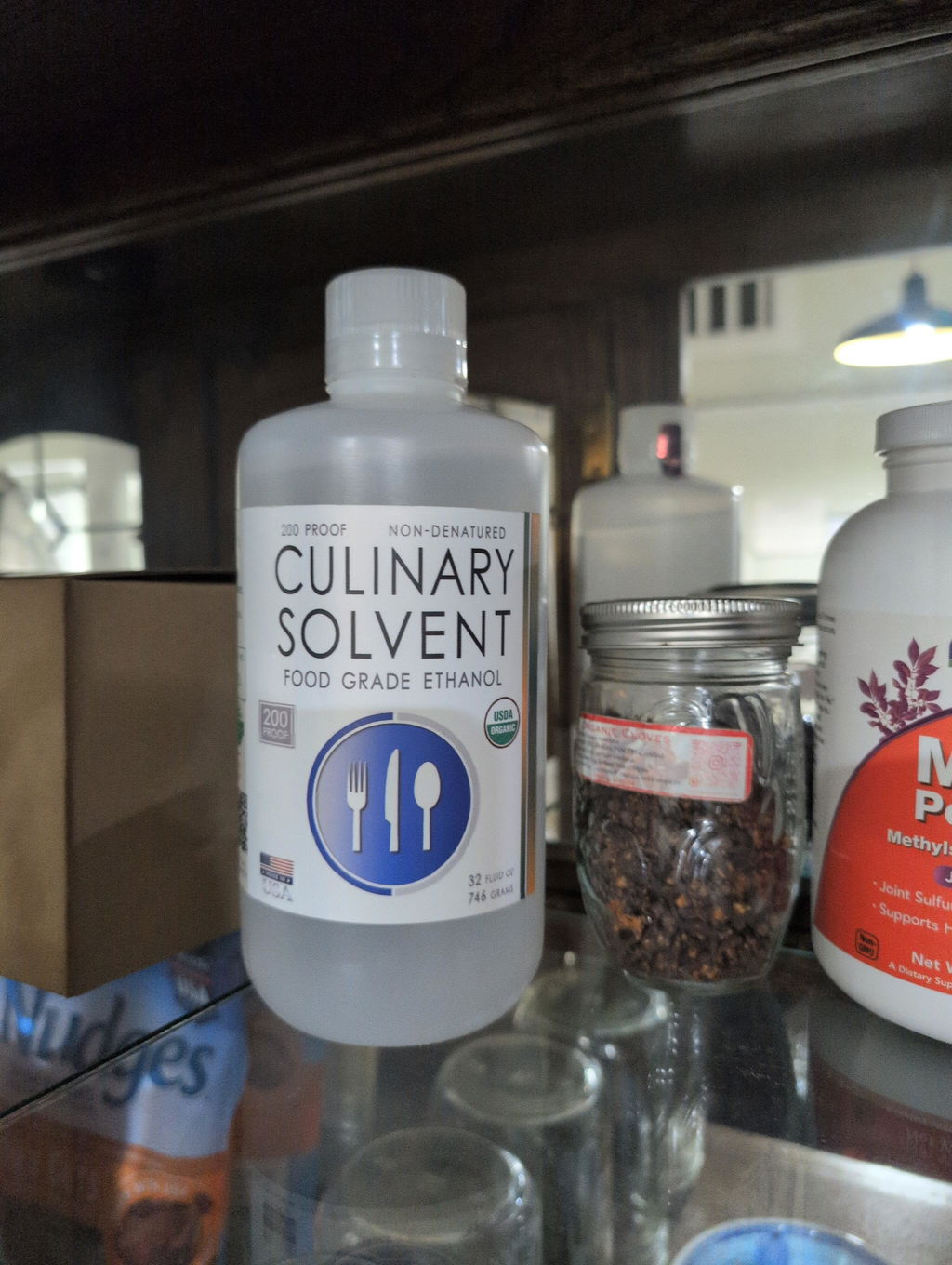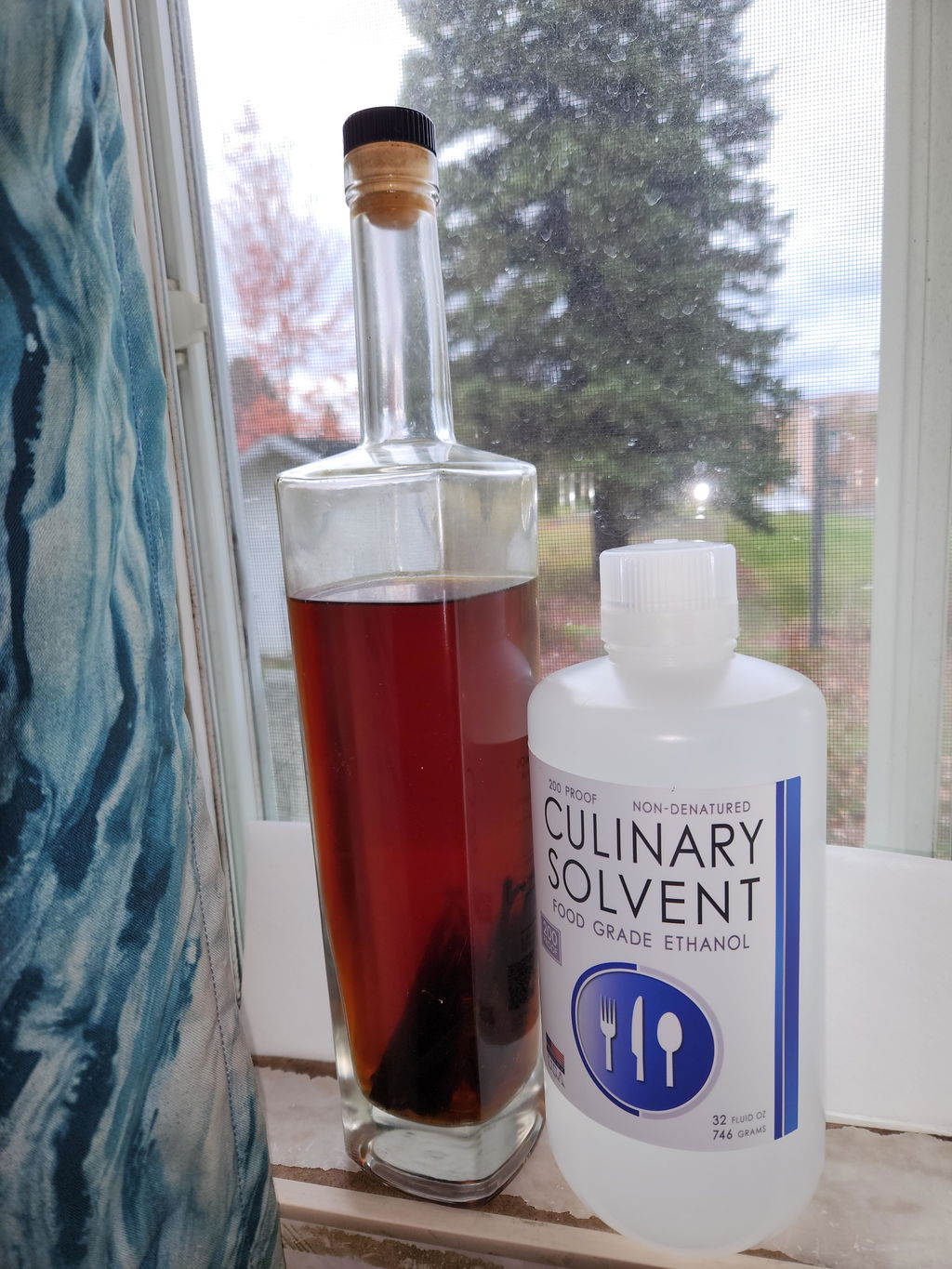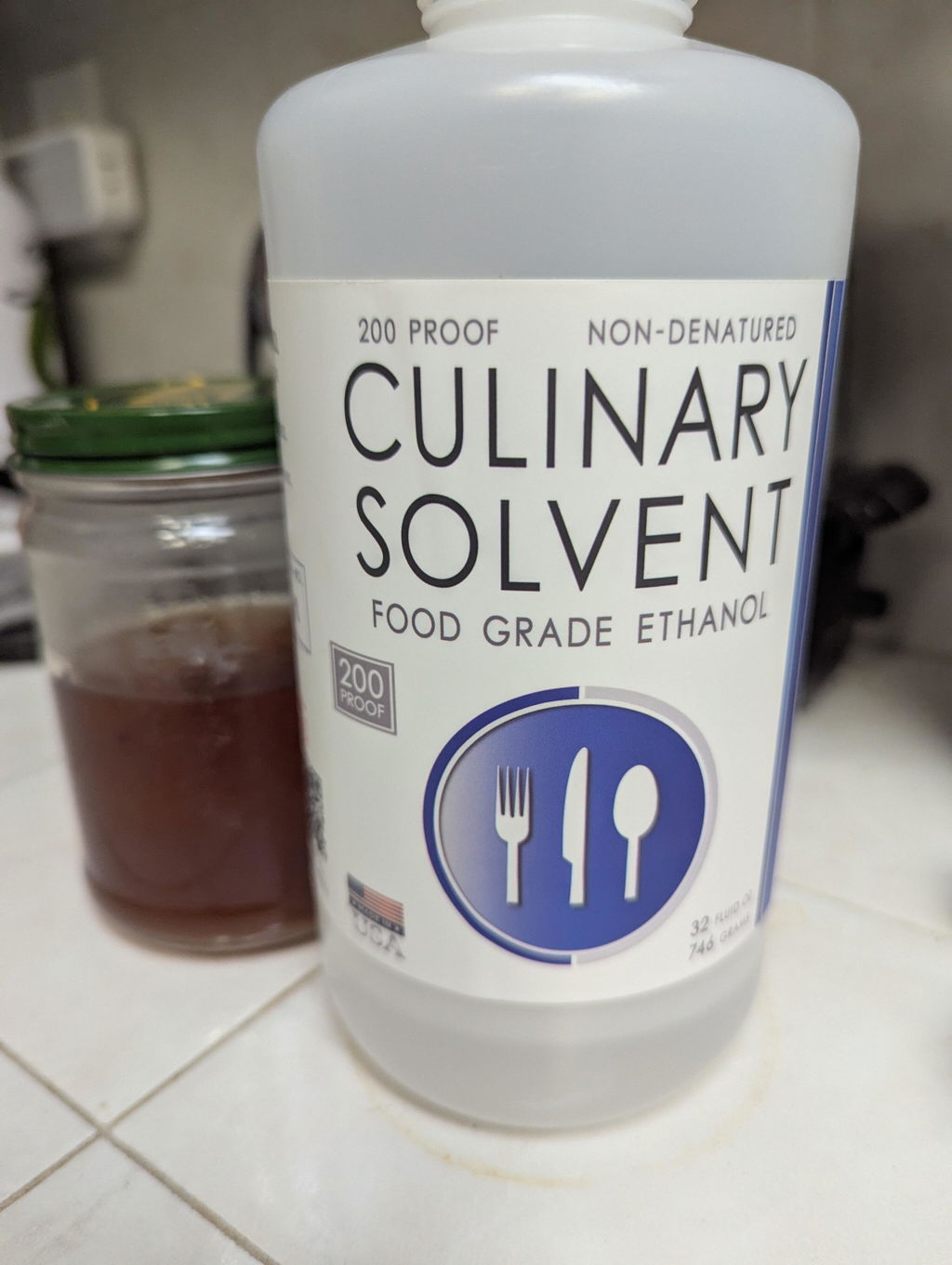

Homemade Elderflower Extract Recipe Using Food Grade Ethanol

Elderflower extract is made from the fragrant flower clusters of elder plants, most commonly species in the Sambucus genus. Elderflowers are delicate, floral, lightly honeyed, and traditionally used in teas, cordials, syrups, liqueur-style projects, and seasonal botanical preparations. This recipe uses 200 Proof Food Grade Ethanol diluted to 160 proof, giving the maker a strong hydroalcoholic solvent for capturing elderflower’s aromatic and botanical character in a shelf-stable extract.
In This Guide:
- What Is Elderflower?
- Elderflower vs. Elderberry Extract
- Traditional Uses and Context of Elderflower
- How to Select Quality Elderflowers
- Preparing Elderflowers for Extraction
- Why 160 Proof Works Well for Elderflower Extract
- How to Prepare 8 fl oz of 160 Proof Using 200 Proof Ethanol
- Recipe: Homemade Elderflower Extract
- Optional 100 Proof Floral Extract Version
- Ways to Use Elderflower Extract
- Storage and Shelf Life
- Research and References
- Final Thoughts
What Is Elderflower?
Elderflower is the flower cluster of the elder plant. Elderflowers appear before elderberries, usually in late spring or early summer. If the flowers are pollinated and left on the plant, they can later develop into elderberries.
Elderflower is not the same ingredient as elderberry. The flower is pale, fragrant, and delicate. The berry is dark, tart, fruit-like, and safety-sensitive. Both can come from elder plants, but they should be handled as separate extract ingredients because the plant parts, preparation steps, solvent needs, and safety notes are different.
Common elder species include European black elder, Sambucus nigra, and American elderberry, often treated as Sambucus canadensis or Sambucus nigra subsp. canadensis. Because common names vary, use the botanical name whenever possible when sourcing elderflower for extract-making.
Elderflower vs. Elderberry Extract
Elderflower extract captures the blossom. Elderberry extract captures the fruit. Splitting the two into separate recipes makes the finished extract more useful and makes the safety instructions much clearer.
| Elderflower Extract | Elderberry Extract |
|---|---|
| Made from flower clusters | Made from ripe berries |
| Floral, honeyed, aromatic, delicate | Tart, dark berry, tannic, color-rich |
| Best handled as a delicate flower extraction | Best handled as a cooked fruit preparation |
| 160 proof is a strong botanical extract target | 100 proof is a practical cooked berry extract target |
| Remove stems and use clean, correctly identified flowers | Use ripe berries only, remove stems, and cook before use |
For the fruit-focused version, see the companion recipe for homemade elderberry extract.
Traditional Uses and Context of Elderflower
Elderflower has a long history in traditional botanical preparations. It has been used in teas, infusions, cordials, syrups, liqueurs, and seasonal herbal recipes. Its floral aroma and light flavor also make it useful in culinary and fragrance-adjacent projects.
The European Medicines Agency describes elder flower preparations from Sambucus nigra as traditional herbal medicinal products used for the relief of early symptoms of the common cold, based on long-standing use. Health Canada also includes traditional elder uses related to colds and flus in its elder monograph. This traditional context is useful, but it should not be turned into a promise that homemade elderflower extract treats, prevents, or cures any condition.
For customer-facing language, describe elderflower as a traditional floral botanical associated with seasonal preparations. Avoid direct claims such as “treats colds,” “fights flu,” “boosts immunity,” “reduces fever,” or “clears infection.” This article focuses on extract-making method, ingredient selection, proof choice, and safe storage.
How to Select Quality Elderflowers
Quality in = quality out. Choose elderflowers that are fresh, fragrant, clean, and correctly identified. Elderflowers should smell floral, honeyed, and slightly green. Avoid material that smells musty, fermented, sour, moldy, dusty, or smoky.
Fresh Elderflowers
- Harvest only from plants you can confidently identify.
- Choose fully opened flower clusters with a fresh floral aroma.
- Harvest away from roadsides, sprayed areas, industrial sites, and contaminated soil.
- Avoid browning, damp, moldy, insect-damaged, or wilted flowers.
- Remove as much green stem material as practical before extraction.
- Use the flowers promptly after harvest for the best aroma.
Dried Elderflowers
- Buy dried elderflowers from a reputable botanical or herbal supplier.
- Look for pale cream to yellowish flowers with a clean floral aroma.
- Avoid dull brown, dusty, or stale-smelling material.
- Choose cut and sifted flowers with minimal stem content when possible.
Preparing Elderflowers for Extraction
Fresh elderflowers should be handled gently. Shake the flower clusters lightly outdoors to release insects, then remove the flowers from the larger green stems. Small bits of stem are difficult to avoid, but the goal is to use mostly flower material.
Do not wash elderflowers heavily unless necessary. Too much washing can remove aroma and add water to the extraction. If the flowers need rinsing, drain them well and let surface moisture dry before adding them to the jar.
Dried elderflowers are easier to use for a repeatable recipe. Inspect the material, remove visible stems or debris, and use the flowers as they are. Do not grind elderflowers into powder. Powdered material is harder to strain and may create a muddy finished extract.
Why 160 Proof Works Well for Elderflower Extract
Elderflower contains delicate aromatic compounds along with phenolic compounds and other water-and-alcohol extractable constituents. A strong hydroalcoholic solvent helps capture both the floral character and the broader botanical profile of the flower.
For this recipe, 160 proof, or 80% ABV, is the recommended target. A 2025 study on hydroethanolic flower extracts of Sambucus nigra found that 80% ethanol was the most suitable concentration tested for obtaining an elderflower extract rich in phenolic compounds with high antioxidative potential. Lower ethanol concentrations can still be useful for softer aroma-focused projects, but 160 proof is a strong fit for a serious elderflower botanical extract.
The advantage of starting with 200 Proof Food Grade Ethanol is control. Instead of relying on a fixed-proof spirit, you can dilute to the proof that best fits the plant material and the recipe goal.
How to Prepare 8 fl oz of 160 Proof Using 200 Proof Ethanol
To prepare 8 fluid ounces of 160 proof alcohol from 200 proof ethanol, use this simple blend:
| Target Strength | 200 Proof Ethanol | Water | Finished Amount |
|---|---|---|---|
| 160 proof / 80% ABV | 6.4 fl oz | 1.6 fl oz | Approximately 8 fl oz |
Add the water and ethanol slowly, mix well, and keep the blend away from open flames, sparks, heat, children, and pets. Mixing ethanol and water may generate mild heat. If you want more proof examples, visit the dilution guide.
:recipekit:
Recipe: Homemade Elderflower Extract
This recipe uses dried elderflowers because they are easy to source, easy to measure, and practical for repeatable extract-making. Fresh elderflowers can also be used when they are correctly identified, clean, and carefully removed from the larger green stems.
Ingredients
- 1 oz dried elderflowers
- 8 fl oz prepared 160 proof alcohol made from 6.4 fl oz 200 Proof Food Grade Ethanol plus 1.6 fl oz water
- Clean glass jar with tight-fitting lid
- Fine mesh strainer
- Cheesecloth or paper coffee filter
- Amber glass bottle for storage
- Label and marker
Instructions
- Inspect the dried elderflowers and remove visible stems, debris, or poor-quality material.
- Place 1 oz dried elderflowers into a clean glass jar.
- Prepare 8 fl oz of 160 proof alcohol using 6.4 fl oz 200 proof ethanol and 1.6 fl oz water.
- Pour the prepared 160 proof alcohol over the elderflowers until the plant material is fully covered.
- Seal the jar tightly and label it with the ingredient, botanical name if known, proof, date, and ratio used.
- Store the jar out of direct sunlight during maceration.
- Shake gently once per day or every few days.
- Begin checking aroma after one week.
- Let the extract steep for about 1 to 3 weeks, depending on the aroma and strength you want.
- Strain through a fine mesh strainer.
- Filter again through cheesecloth or a paper coffee filter if a clearer extract is desired.
- Transfer the strained extract to amber glass and label clearly.
Fresh Elderflower Option
For fresh elderflowers, use 2 to 3 oz fresh flowers with 8 fl oz prepared 160 proof alcohol. Remove as much green stem material as practical, and use only clean, fragrant flowers from correctly identified elder plants. Fresh elderflowers can extract quickly, so begin checking aroma after several days and strain when the extract has the floral character you want.
Optional 100 Proof Floral Extract Version
For a softer floral extract or culinary-style project, 100 proof can also be useful. This lower proof gives a gentler alcohol profile and may be preferred when the goal is light elderflower flavor rather than a stronger botanical extract.
| Target Strength | 200 Proof Ethanol | Water | Finished Amount | Best Use |
|---|---|---|---|---|
| 100 proof / 50% ABV | 4 fl oz | 4 fl oz | Approximately 8 fl oz | Softer floral extract, cordial-style projects, culinary experiments |
Use the same flower amounts and general method as the main recipe. Because lower-proof extracts contain more water, strain carefully and store the finished extract in amber glass away from heat and sunlight.
Ways to Use Elderflower Extract
Elderflower extract can be used in small amounts wherever a floral, honeyed elderflower note is desired. This recipe is focused on extract-making technique, not dosing or medical use.
- Floral syrup experiments
- Liqueur-style projects
- Desserts, glazes, and fillings
- Beverage flavoring experiments
- Perfumery studies
- Botanical pantry projects
- Small-batch herbal formulation practice
For perfumery work, keep expectations realistic. A homemade elderflower extract is not the same as a professionally produced absolute, essential oil, or fragrance accord. It is a botanical extract with a natural floral profile that can vary by flower quality, species, harvest timing, and proof.
Storage and Shelf Life
Clear glass is acceptable during maceration if the jar is kept out of direct sunlight. For longer-term storage, transfer the strained extract to amber or UV-protective glass and keep it tightly sealed away from heat, sunlight, open flame, sparks, children, and pets.
Straining is recommended once the extract reaches the aroma and strength you want. Leaving elderflowers in the menstruum too long can create a duller, more vegetal, or slightly bitter character. Label the finished bottle with the ingredient, botanical name if known, proof, date made, and whether fresh or dried flowers were used.
Discard any preparation that develops off odors, visible growth, pressure buildup, active bubbling, or other signs of spoilage. For more detailed handling guidance, see Storage tips.
Research and References
The following references were used to guide the traditional-use context, proof recommendation, and preparation notes in this recipe:
- European Medicines Agency: Sambuci flos elder flower summary
- European Union herbal monograph on Sambucus nigra flower
- Health Canada: Elder, Sambucus monograph
- Hydroethanolic elderflower extraction study using 20% to 80% ethanol
- PubMed: Elderflower and Sambucus nigra flower research
Final Thoughts
Elderflower extract is a strong fit for food grade ethanol because the flower is aromatic, delicate, and traditionally important in seasonal botanical preparations. Starting with 200 Proof Food Grade Ethanol gives you control over the final proof, so you can make a 160 proof botanical extract or a softer 100 proof floral extract depending on your goal.
Elderflower and elderberry often come from the same elder plant, but they should not share the same recipe. Elderflower captures the blossom. Elderberry captures the fruit. Treating them separately helps you choose the right proof, preparation method, and safety notes for each ingredient.
Disclaimer: This content is for informational and educational purposes only. It is not medical advice and does not provide dosing instructions. Use only correctly identified elderflowers from a trusted source. Remove as much green stem material as practical and do not use leaves, bark, roots, canes, unripe berries, or raw whole-plant elder preparations. Consult a qualified professional before using botanical preparations for any specific purpose. Keep all high-proof ethanol and finished extracts away from children, pets, heat, sparks, and open flame.