
How Long Should Vanilla Extract Soak? Longer Is Better, But 30 Days Is Only a Checkpoint

Last week I sent an email about making homemade vanilla extract and included this sentence:
“You can start checking the extract after about 30 days, but leaving it for several months can develop a deeper aroma, darker color, and more rounded vanilla flavor.”
One of my readers, Justin, wrote back and challenged me on that timeline.
Justin has made dozens of gallons of vanilla extract using Culinary Solvent, and his point was basically this: 30 days can give you vanilla-flavored alcohol, but people should not walk away from my email thinking that 30 days represents a fully developed vanilla extract.
I think that is a fair criticism, and it gives me a good opportunity to explain something that gets lost whenever we try to assign one simple number to extraction time.
Vanilla extract takes time, and there is no single soak time that applies equally to every vanilla bean and every preparation method.
For Vanilla Extract, Longer Is Usually Better
Vanilla beans are dense compared with something like citrus zest, mint leaves, or a thin flower petal.
 The compounds we want are contained throughout the cured pod and its interior. The extraction liquid has to penetrate that material, dissolve extractable compounds, and allow those compounds to move out of the bean and into the surrounding alcohol-water solution.
That natural mass transfer from vanilla bean into the alcohol-water solution takes time. There really is no way around that.
If you put whole vanilla beans into a jar and leave them completely intact, I would absolutely plan on a long extraction. Several months is a much more realistic expectation for developing the depth, aroma, color, and rounded character most people associate with a mature homemade vanilla extract.
There is generally little downside to being patient. At the same time, I think patience should be backed by an understanding of what is actually happening inside the jar instead of simply following an arbitrary number of months on a calendar.
How You Prepare the Bean Changes the Clock
This is where a simple rule like “vanilla takes X months” becomes less useful.
- A whole vanilla bean presents a relatively small amount of exposed surface area to the extraction liquid.
- Split that same bean lengthwise and you expose the inner portion of the pod.
- Cut it into shorter pieces and you create even more exposed surfaces.
- Reduce the bean further and the extraction liquid gains dramatically more access to the material inside.
This is basic extraction behavior. Increasing exposed surface area can increase the rate at which compounds move from the solid ingredient into the surrounding solvent. There is a reason commercial and laboratory extraction methods may chop, grind, homogenize, gently heat, agitate, or otherwise process vanilla beans to accelerate extraction.
For the home extract maker, this means whole beans usually require more patience, while split or cut beans can extract considerably faster.
I am personally a fan of doing as little preparation as necessary. Every extra preparation step takes time before the extraction and usually creates another cleanup step afterward.
I am especially reluctant to grind an ingredient when a whole or coarsely prepared version will do the job.

I take a similar approach with my homemade coffee extract recipe. Grinding coffee dramatically increases surface area and speeds extraction, but it also exposes more aromatic material to the air during preparation. Keeping the ingredient more intact reduces unnecessary handling and helps keep more of that aroma associated with the ingredient until it is surrounded by the extraction liquid.
Vanilla presents the same balancing act.
Smart preparation can shorten extraction time while preserving as much flavor and aroma as practical. Splitting a bean lengthwise or cutting it into a few pieces provides substantially more solvent access without turning the entire bean into a pile of small particles.
There is another practical benefit to keeping preparation simple: filtration.
Finely chopped or ground vanilla can introduce more sediment and tiny vanilla-bean particles into the finished extract. Whole or lightly split beans generally produce a cleaner-looking extract and are easier to remove later.
Simply put, the preparation method belongs in any honest discussion about vanilla extraction time.
Not All Vanilla Beans Are the Same Either
Then we have the beans themselves.

Vanilla is an agricultural ingredient. It grows in nature, and producing vanilla beans still involves an extraordinary amount of human involvement, including hand pollination in most commercial growing regions and harvesting the beans when they reach the proper stage of maturity.
Then consider everything that happens before those beans reach your extraction jar: different varieties, growing regions, weather, harvesting, curing, grading, packing, transportation, storage, age, and handling.
A plump, flexible vanilla bean with relatively high moisture content is physically different from a thin, dry extraction-grade bean.
Even U.S. vanilla standards account for bean moisture when defining the amount of vanilla material used for standardized vanilla extract. The regulations adjust the required bean weight when moisture rises above 25%, which is a useful reminder that two piles of vanilla beans with the same scale weight do not necessarily contain the same amount of dry vanilla-bean solids.
Commercial vanilla grades also commonly have different moisture characteristics. Grade A beans tend to be plumper and contain more moisture, while beans sold specifically for extraction are commonly drier.
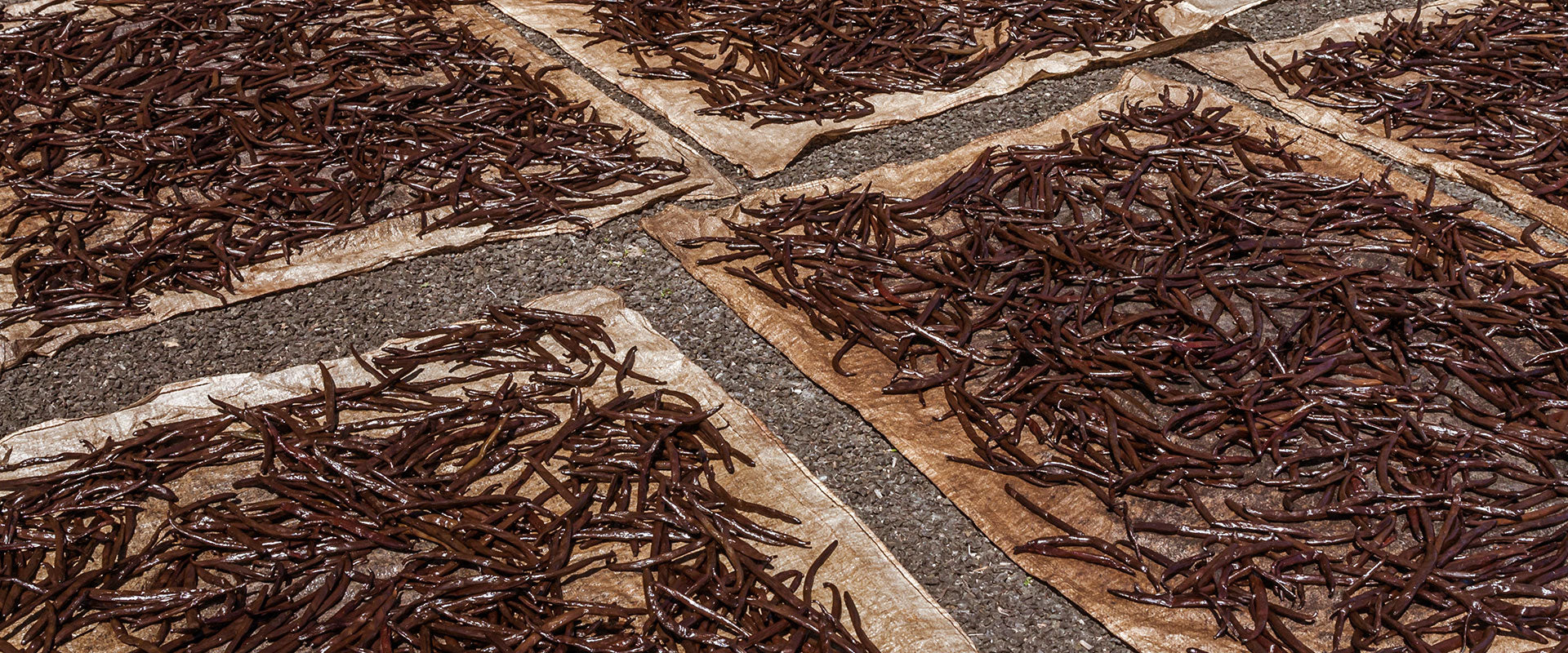
Variety, origin, curing method, age, moisture, aroma intensity, and physical condition can all influence what happens once those beans go into the jar.
This is another reason I recommend weighing vanilla beans instead of simply counting them.
One seller's ten beans may be considerably larger, wetter, or heavier than another seller's ten beans. Weight gives you a much better starting point for creating consistency from one batch to the next.
So, Was 30 Days Wrong?
After considering Justin's email and taking another look at how I worded my original advice, I am updating the guidance in my vanilla extract recipe.
Thirty days is a useful time to begin observing what is happening in the jar. I would not present 30 days as a universal finish line for homemade vanilla extract.
At 30 days, you should be able to see color development and smell vanilla character beginning to move into the menstruum. That makes it a useful checkpoint.
How far the extraction has actually progressed depends on the beans, their preparation, the bean-to-liquid ratio, the alcohol-water mixture, temperature, agitation, and other conditions.
For the recipe I publish on CulinarySolvent.com, I encourage patience and recommend thinking in terms of months rather than weeks when the goal is a deep, mature vanilla extract, especially when using whole or minimally prepared beans.
You can find my complete homemade vanilla extract recipe using food grade ethanol here.
Does Longer Always Mean Better?
Usually, giving an extract more time helps, especially with dense ingredients such as vanilla beans. But there is an important limit to the idea that “longer is always better.”...
A sealed extraction jar is essentially a closed system containing a finite amount of vanilla material and a finite amount of extraction liquid.
At the beginning of the extraction, there is a large difference between the concentration of extractable compounds inside the vanilla beans and the concentration of those compounds in the surrounding liquid. As the extraction progresses, compounds move from the beans into the solvent.
Over time, that concentration difference becomes smaller and the system moves toward what can be described as extraction equilibrium. Eventually, much of the readily extractable material has moved into the menstruum and additional time produces smaller and smaller changes.
At practical equilibrium, leaving the same beans in the same liquid for another month, another six months, or another year cannot create an unlimited amount of additional vanilla character. The ingredient only contains so much extractable material.
This is why I think the better advice is: Give vanilla the time it deserves, but understand what the time is accomplishing.
Whole beans generally need longer than split or cut beans. Dry beans behave differently than plump, moist beans. Different varieties and grades bring different amounts and profiles of extractable material into the jar.
Preparation can speed up diffusion. Time allows extraction to continue. Eventually, every extraction approaches a point where additional time provides very little additional return.
Once you reach that point, waiting longer is mostly just waiting.
One More Reason I Like Hearing From Customers
I appreciate Justin taking the time to write to me. One of the reasons I keep asking customers what they make with Culinary Solvent is that many of you have spent years working on one very specific process.
Some of you know vanilla. Some know cannabis extraction. Some know botanical tinctures, perfume, shellac, food coloring, culinary extracts, or another use far better than I ever will.
That is one of the interesting things about making and selling pure food grade ethanol. The same product leaves our distillery and ends up becoming hundreds of completely different things in the hands of the people who buy it. When someone who has made dozens of gallons of vanilla extract tells me I need to take another look at something I wrote, I am going to take another look. That is how this website gets better, and it is one of the reasons I genuinely appreciate hearing from customers who have experience to share.
For now, I am updating my own rule of thumb:
Thirty days is a checkpoint. For vanilla, patience usually pays.
And as always, the starting ingredients matter just as much as the calendar.
Quality in = quality out.
-Scott
AKA Mr. Tincture