
The Cleverest Tool in the Kitchen Might Be the One That Does More Than One Job
I have been thinking a lot lately about costs.
Not in a dramatic way. More in the everyday way that shows up slowly. Groceries cost more. Shipping costs more. Packaging costs more. Tools, ingredients, repairs, supplies, and all the little things we use to keep a home, kitchen, workshop, or small business moving seem to cost more than they did before.
When that happens, I think it makes sense to look a little harder at the things we buy and ask a practical question:
How many jobs can this one thing do?
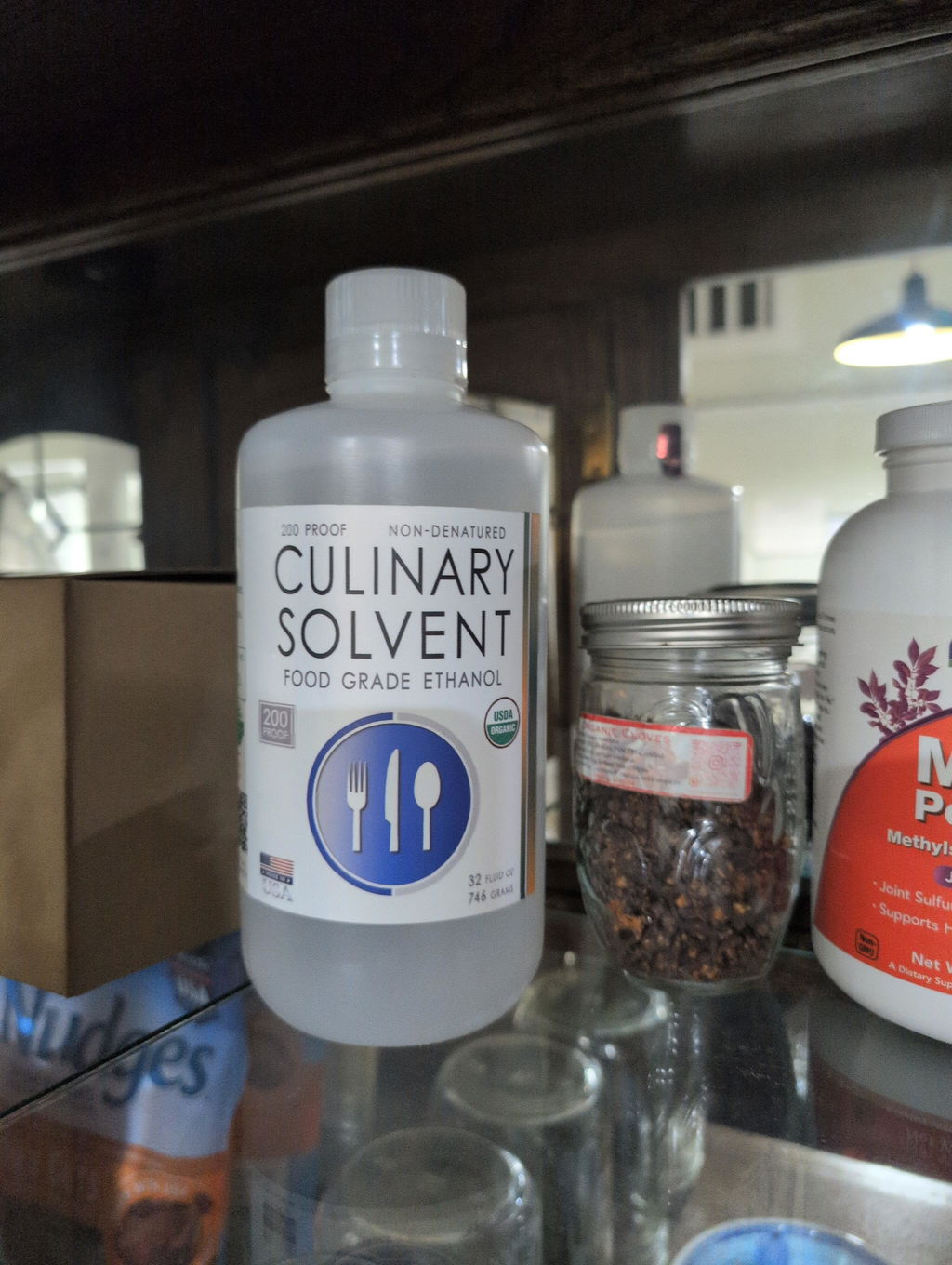
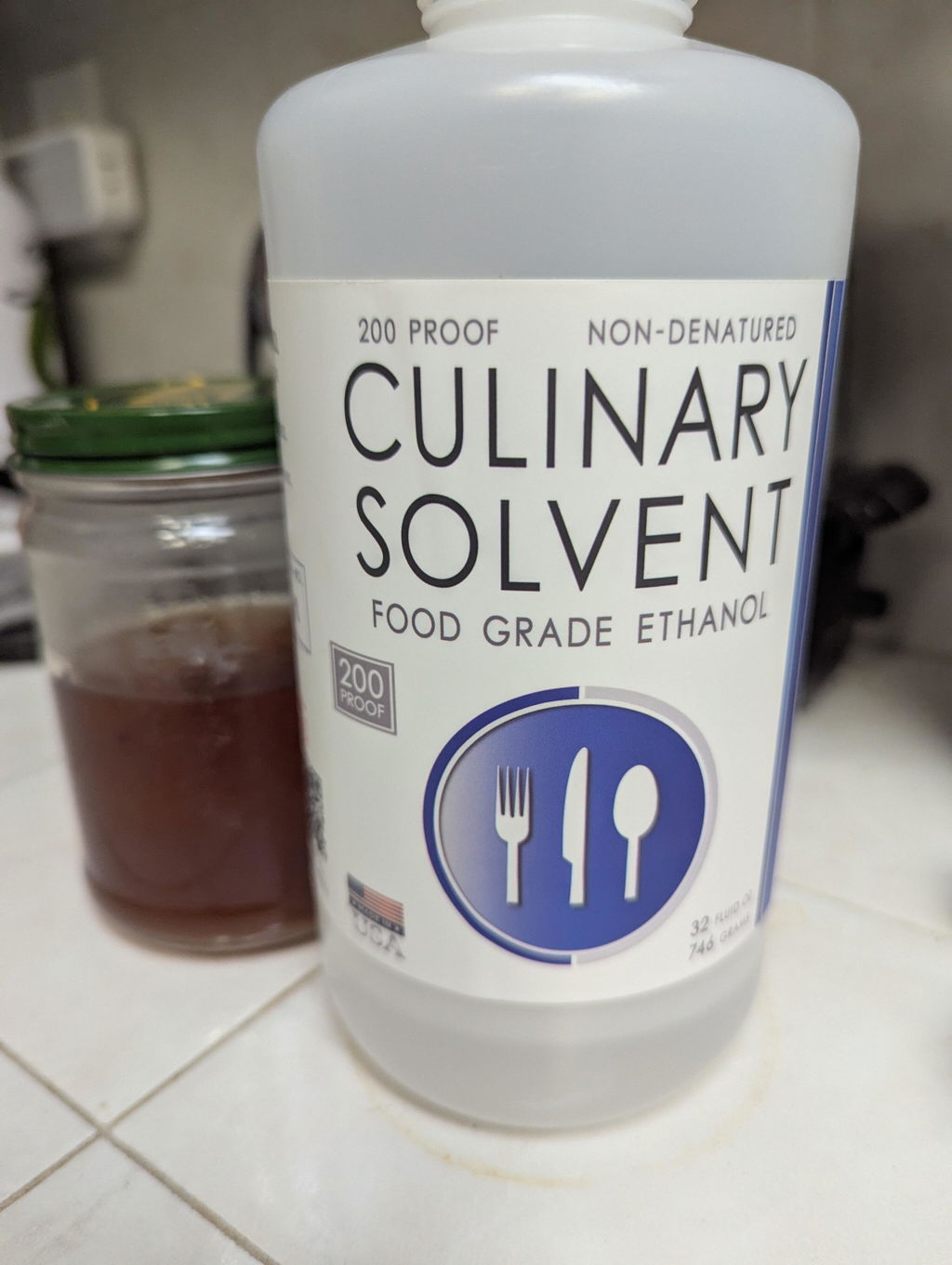
That is one of the reasons I keep coming back to food grade ethanol as such a useful ingredient and tool. It is not a finished product with one narrow purpose. It is a raw material that can help you make many different things yourself.

Versatility Has Value
A lot of products are designed to do one job. A bottle of extract flavors one kind of recipe. A room spray scents one room. A specialty cleaner handles one category of mess. A small bottle of craft solvent might only get used once or twice before it gets pushed to the back of the shelf.
Food grade ethanol is different because it is useful across categories.
In the kitchen, it can help make vanilla extract, citrus extract, coffee extract, spice extracts, bitters, natural food coloring, edible decorating paints, and flavor concentrates.
For herbalists and makers, it can be used for tinctures, botanical extracts, room sprays, perfumes, colognes, liniments, and other preparations.
In the workshop, it can support shellac, French polish, alcohol inks, surface prep, tool cleanup, and other maker projects where a clean, fast-evaporating alcohol is useful.
That kind of versatility matters because one well-chosen bottle can replace the need to buy many finished specialty products.
Long Shelf Life Changes the Math
Fresh ingredients are wonderful, but they are temporary. Herbs wilt. Citrus dries out. Berries mold. Flowers fade. Vanilla beans, spices, mushrooms, and dried botanicals can last longer, but they still need to be used intentionally.
Food grade ethanol gives those ingredients another path.
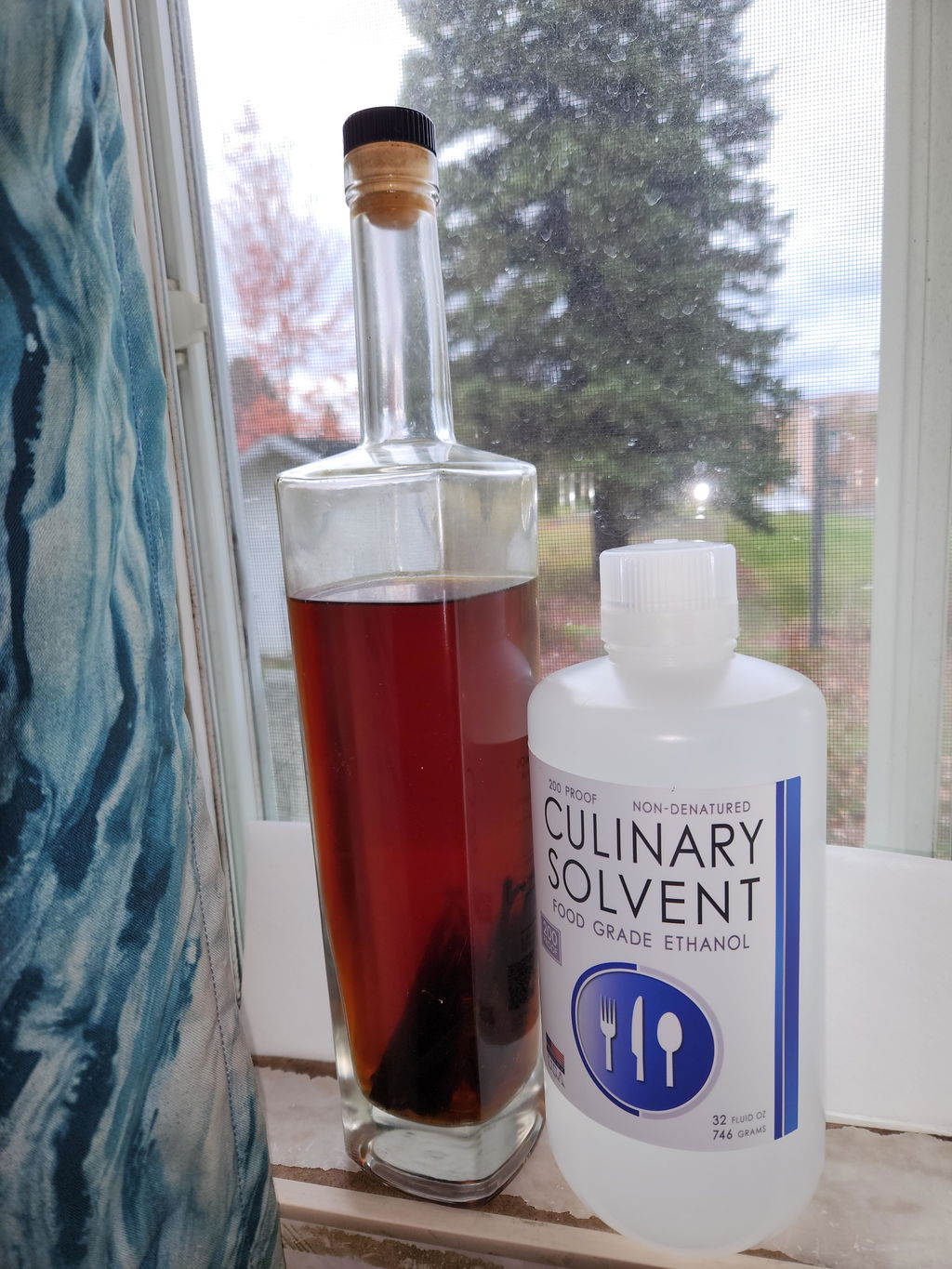
It lets you take something seasonal, perishable, or limited and turn it into something more useful over time. Fresh mint can become mint extract. Citrus peels can become lemon, lime, orange, or grapefruit extract. Garden herbs can become tinctures or room spray ingredients. Vanilla beans can become a long-running batch of homemade vanilla extract.
When kept sealed and stored properly, food grade ethanol remains ready for future projects. That matters when you are thinking about cost. A product that sits on the shelf waiting for one use can feel expensive. A raw material that supports many uses over time starts to feel like part of your working pantry.
The Kitchen Becomes More Productive
One of the best ways to save money is to make your kitchen more capable.
- Once you know how to make one extract, the next one becomes easier.
- Once you understand how a tincture works, you start seeing herbs differently.
- Once you make a room spray from flowers or herbs, you realize how many store-bought scented products are really a combination of solvent, aroma, water, and packaging.
This is where food grade ethanol quietly becomes useful...It can help turn ingredients into shelf-stable extracts. It can help capture aroma from botanicals. It can help make concentrated flavors that do not water down frosting, glazes, drinks, or baked goods. It can help turn leftover citrus peel into something you actually use instead of something you throw away.
Smart Ways to Use Food Grade Ethanol
Here are a few places I would start if you are trying to get more value out of your kitchen or workshop.
1. Make Your Own Flavor Extracts
Vanilla, lemon, orange, lime, coffee, chocolate, mint, cinnamon, and other extracts can be made at home with real ingredients and food grade ethanol. This is one of the easiest ways to see the value quickly because many people already buy extracts.
Start with one you use often. Vanilla is the classic choice, but citrus extracts are especially useful in summer.
Useful starting points:
- Homemade Vanilla Extract Recipe
- Mastering Citrus Extracts with 200 Proof Food Grade Ethanol
- Homemade Coffee Extract Recipe
2. Preserve Seasonal Ingredients
If you grow herbs, forage responsibly, garden, barter, or buy local ingredients in season, food grade ethanol can help extend the usefulness of those materials.
Mint, lemon balm, rosemary, thyme, lavender, rose petals, citrus peels, spruce tips, and many other ingredients can be turned into extracts, tinctures, sprays, or aroma projects.
3. Build a Small Extract Shelf
A small shelf of homemade extracts can become a real kitchen advantage. Instead of buying every flavor separately, you can make your own in small batches. Label them with the ingredient, date, alcohol used, and any notes about strength or flavor.
A simple extract shelf might include:
- Vanilla extract
- Lemon extract
- Orange extract
- Coffee extract
- Mint extract
- Cinnamon extract
- Rosemary extract
- Lavender extract
That shelf becomes a flavor toolkit. A few drops can change whipped cream, frosting, glaze, coffee, tea, marinades, sparkling water, baked goods, or homemade gifts.
4. Replace Some Single-Use Specialty Products
Food grade ethanol can help reduce reliance on some single-use products, especially when you are willing to make the finished preparation yourself.
- Instead of buying separate citrus extracts, make your own from fresh zest.
- Instead of buying a room spray, make one from herbs, flowers, and a simple spray base.
- Instead of buying a small bottle of edible luster paint medium, use a few drops of high-proof food grade ethanol with edible luster dust.
- Instead of buying premade bitters, experiment with spices, citrus peels, and botanicals.
- Instead of letting old markers, shellac flakes, or alcohol ink supplies sit unused, use ethanol carefully where it fits the project.
This does not mean one bottle replaces every product in your home...it means one versatile raw material can help you make more things yourself.
5. Use It in the Workshop Too
Food grade ethanol is not only a kitchen ingredient. Many customers use it in workshops for shellac, French polishing, alcohol inks, airbrush cleaning, and other maker projects.
The important thing is to keep food projects and workshop projects clearly separated. Use clean glassware for food and kitchen projects. Use separate labeled containers for workshop use. Do not return leftover workshop alcohol to a bottle used for food projects.
For more ideas, visit our guide to food grade ethanol for makers or read our list of clever non-beverage life hacks using food grade ethanol.
Think Like a Maker, Not Just a Buyer
A buyer looks at a finished product and asks, “Do I need this?” A maker looks at a raw material and asks, “What can I make with this?”
A quart or gallon of food grade ethanol can become extract, tincture, perfume, room spray, natural color, edible decorating medium, shellac solvent, workshop helper, and more. The value comes from learning how to use it. And you do not have to do everything at once... 1.) Pick one project. 2.) Make it once. 3.) Improve it the second time. 4.) Write down what worked. Then use that same bottle to try the next thing. Over time, your kitchen or workshop becomes more capable.
Prices are not getting easier. Most of us are looking for smarter ways to stretch what we buy and get more from what we already have. Food grade ethanol fits that mindset because it is versatile, long-lasting when stored properly, and useful across so many projects. It helps turn real ingredients into useful things. It helps preserve seasonal materials. It helps reduce dependence on finished specialty products when you are willing to learn the process yourself.
That is the kind of tool I like having on the shelf.
Start with one bottle, one clean jar, and one project you actually care about. Then let the next idea come from there.
-Scott (Owner, Founder, P