
Making It Yourself: How Real Ingredients Can Help Stretch a Dollar
Prices are up everywhere. Groceries, shipping, supplies, packaging, utilities, everything. If you feel like your dollar does not go as far as it used to, you are not imagining it.

I hear it from customers. I see it in my own business. I feel it in my own household.
That is part of why I keep coming back to the same idea I have been thinking about lately: real ingredients, real skills, and knowing how to make something yourself still matter.
Making Things Yourself Can Create Real Savings
There is a reason so many people are returning to homemade extracts, tinctures, perfumes, room sprays, natural food coloring, bitters, cleaning sprays, and other DIY projects. Yes, there is satisfaction in making something with your own hands. But there can also be practical savings.
When you buy a finished product at the store, you are paying for more than the ingredients. You are paying for branding, packaging, shelf space, distribution, advertising, and a long chain of businesses that all need their piece of the sale.
When you make something yourself, the math changes.
You source the ingredients. You control the batch size. You decide what goes in. You decide what stays out. And once you understand the basic process, you can repeat it again and again.
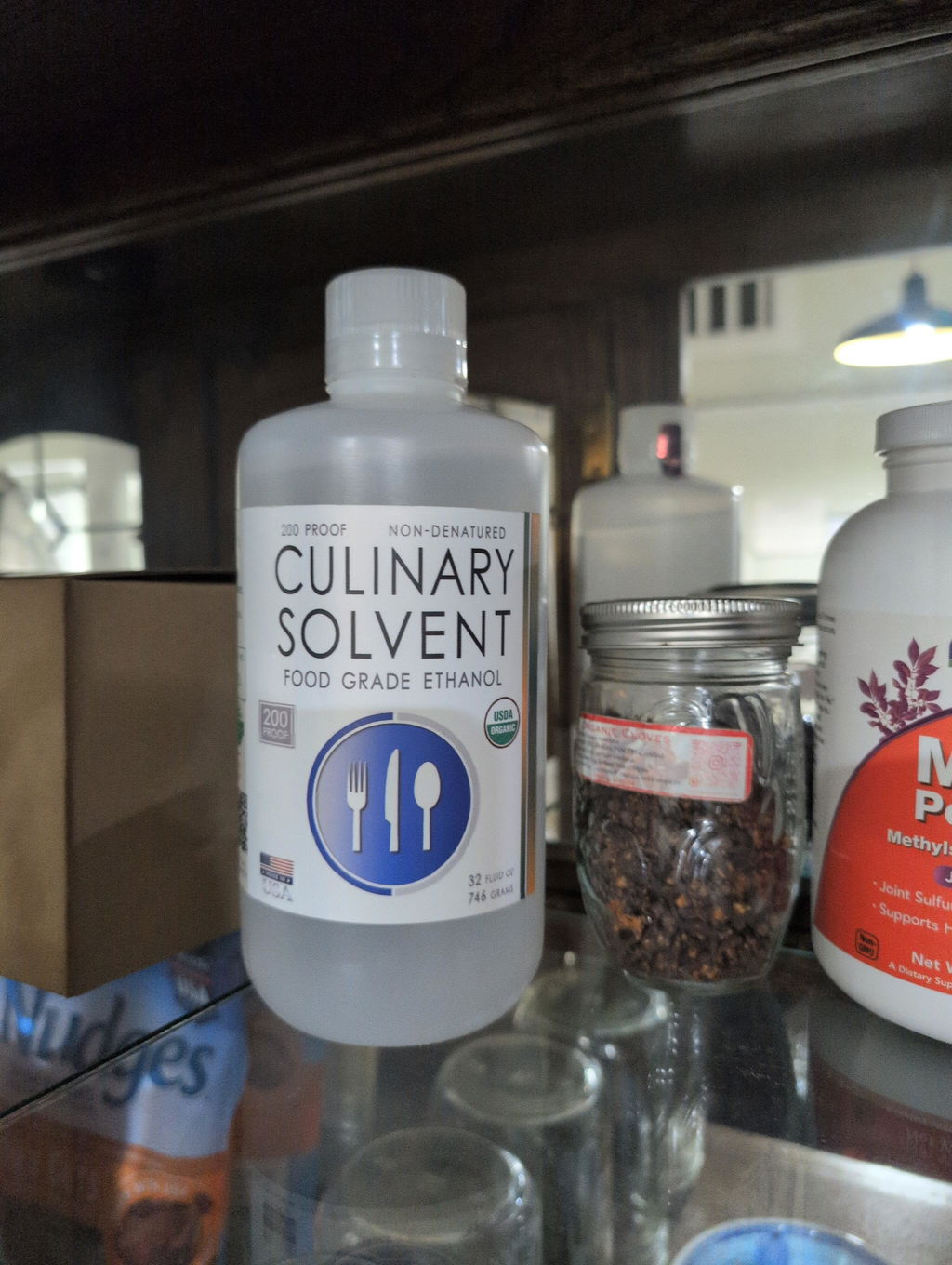
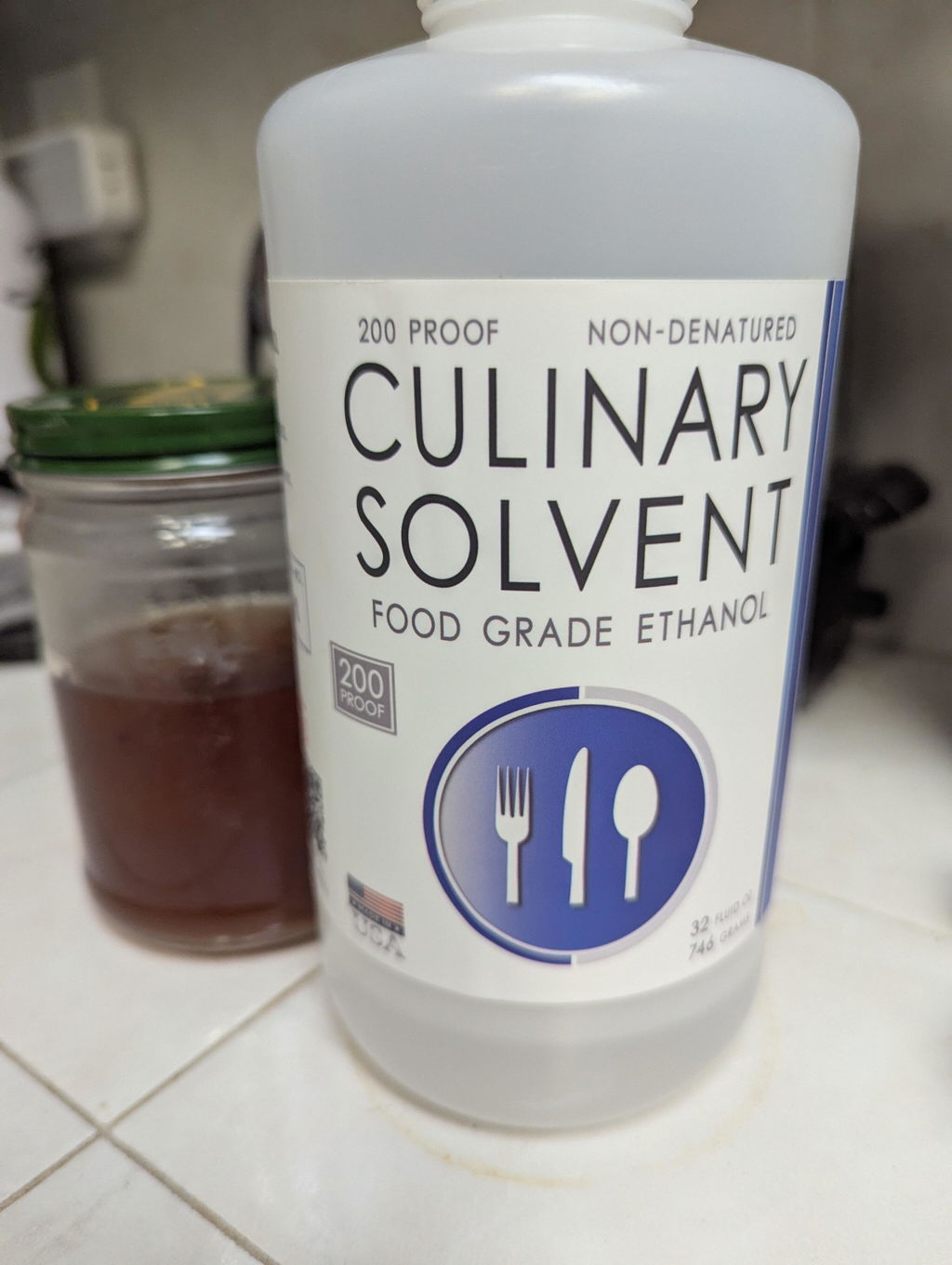
That is where food grade ethanol becomes useful. It is one ingredient that can support many different projects.
The Value of What You Already Have Access To
One of the best parts about making things yourself is that the starting ingredients do not always need to come from a store.
Maybe you grow mint in a pot on the porch. Maybe your neighbor has more lavender than they know what to do with. Maybe you forage spruce tips, rose hips, citrus peels, dandelion, berries, or mushrooms. Maybe you barter with someone who gardens, bakes, grows herbs, or keeps bees.

Real ingredients are often closer than we think.
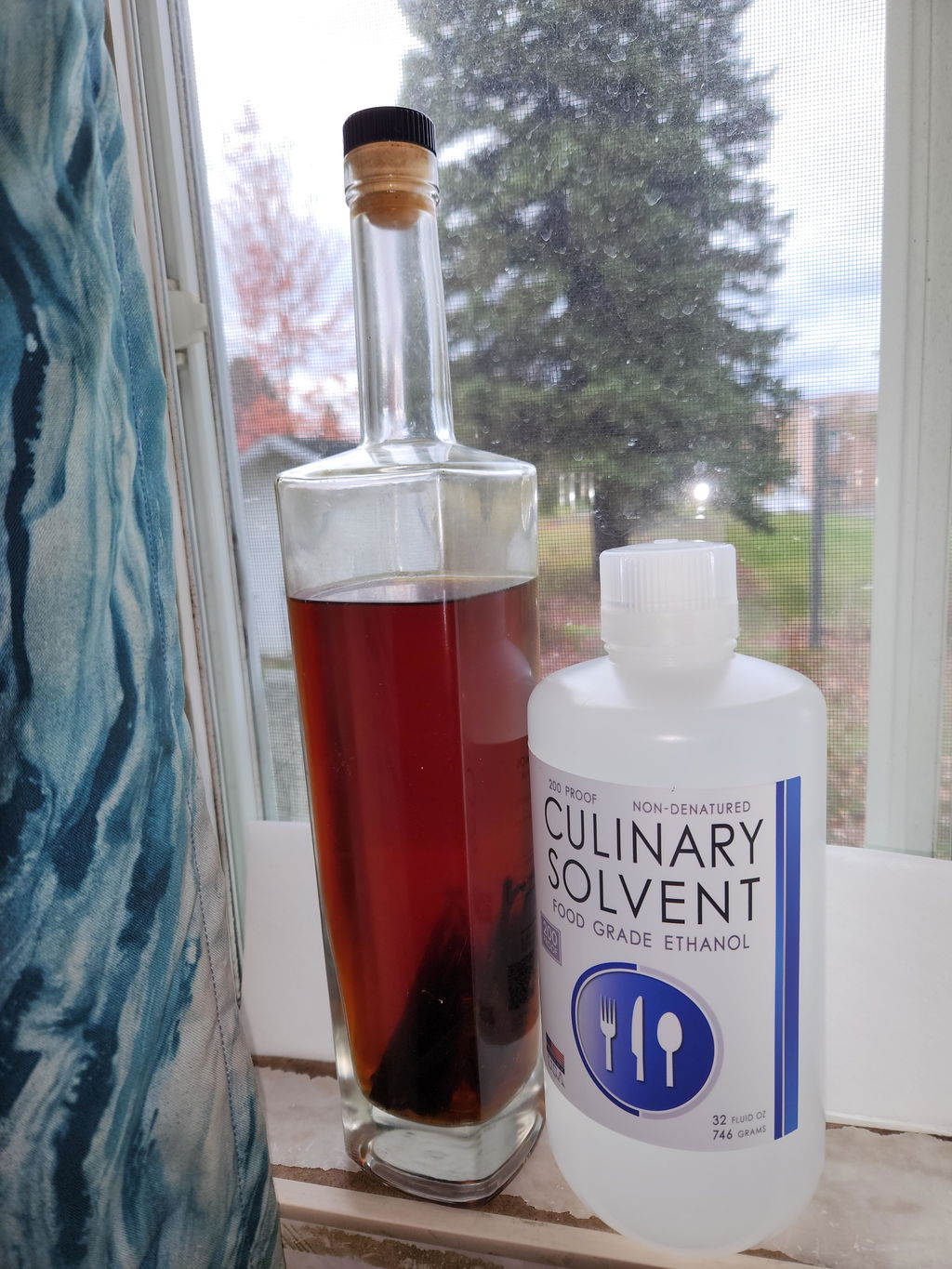
Add time, attention, and the right solvent, and those ingredients can become something useful. Mint can become an extract. Citrus peels can become flavoring. Vanilla beans can become homemade vanilla extract. Fresh flowers can become a room spray or perfume base. Herbs can become tinctures. Spices can become bitters. Natural ingredients can become food coloring, flavoring, or aroma.
The process is simple, but the results can feel very personal.
Why Food Grade Ethanol Matters
If you are making something for your kitchen, your body, your home, or your family, the solvent matters.
Food grade ethanol is useful because it can extract flavor, aroma, color, and other desirable compounds from real ingredients. It also helps preserve those extracts so they can be used over time.
This is why one bottle can support so many different projects.
A baker might use it for vanilla, citrus, coffee, or chocolate extracts. An herbalist might use it for tinctures. A perfumer might use it for fragrance work. A maker might use it for natural color, room sprays, bitters, or cleaning preparations.
That kind of versatility matters, especially when people are trying to make smarter choices with the money they spend.
Homemade Does Not Mean Complicated
Sometimes people hear “make it yourself” and assume it means complicated, messy, or expensive. It does not have to be.
Many home-based projects follow the same basic pattern:
- Choose the ingredient.
- Prepare it properly.
- Cover it with food grade ethanol.
- Give it time.
- Strain and store.
That is the foundation behind so many useful recipes.
The more you make, the easier it becomes to understand which ingredients are worth repeating, which batch sizes make sense, and how much you actually use.
That is where the savings become more obvious. A first batch teaches you the method. A second batch improves the result. After that, you are no longer just buying finished products. You are building the ability to make them.
Real Ingredients, Real Control
This is also about trust. When you make your own extract, tincture, perfume, food coloring, or room spray, you know what is in the jar. You know where the ingredients came from. You know whether you used organic citrus, garden herbs, locally foraged botanicals, or vanilla beans you selected yourself.
That knowledge has value. In a world where labels can be confusing and “natural” does not always mean what people think it means, making something yourself gives you a clearer view of the final product. You do not have to guess when You made it.
A Practical Way to Start
If you are new to this, start small. Pick one project that you already use or buy.
Good first projects include:
- Homemade vanilla extract
- Lemon or orange extract
- Coffee extract
- Mint extract
- Simple herbal tinctures
- Room spray with fresh herbs or flowers
-
Natural food coloring for frosting or glaze
Start with one ingredient, one jar, and one clear purpose. The goal is not to replace everything in your house overnight. The goal is to learn one process well enough that you can use it again.
That is how real savings start to build.

Final Thought
Making things yourself will not solve every problem with rising prices. But it can give you back a little control. You can grow, forage, barter, or carefully source real ingredients. You can combine them with food grade ethanol and time. You can make extracts, tinctures, sprays, colors, flavors, and other useful things at home.
Sometimes the best way to stretch a dollar is to stop buying the finished version and start making your own. Start with real ingredients. Use a clean solvent. Make something you understand.
Shop 200 Proof Food Grade Ethanol from Culinary Solvent: https://culinarysolvent.com/products/food-grade-ethanol