
Homemade Rose Hip Extract Recipe

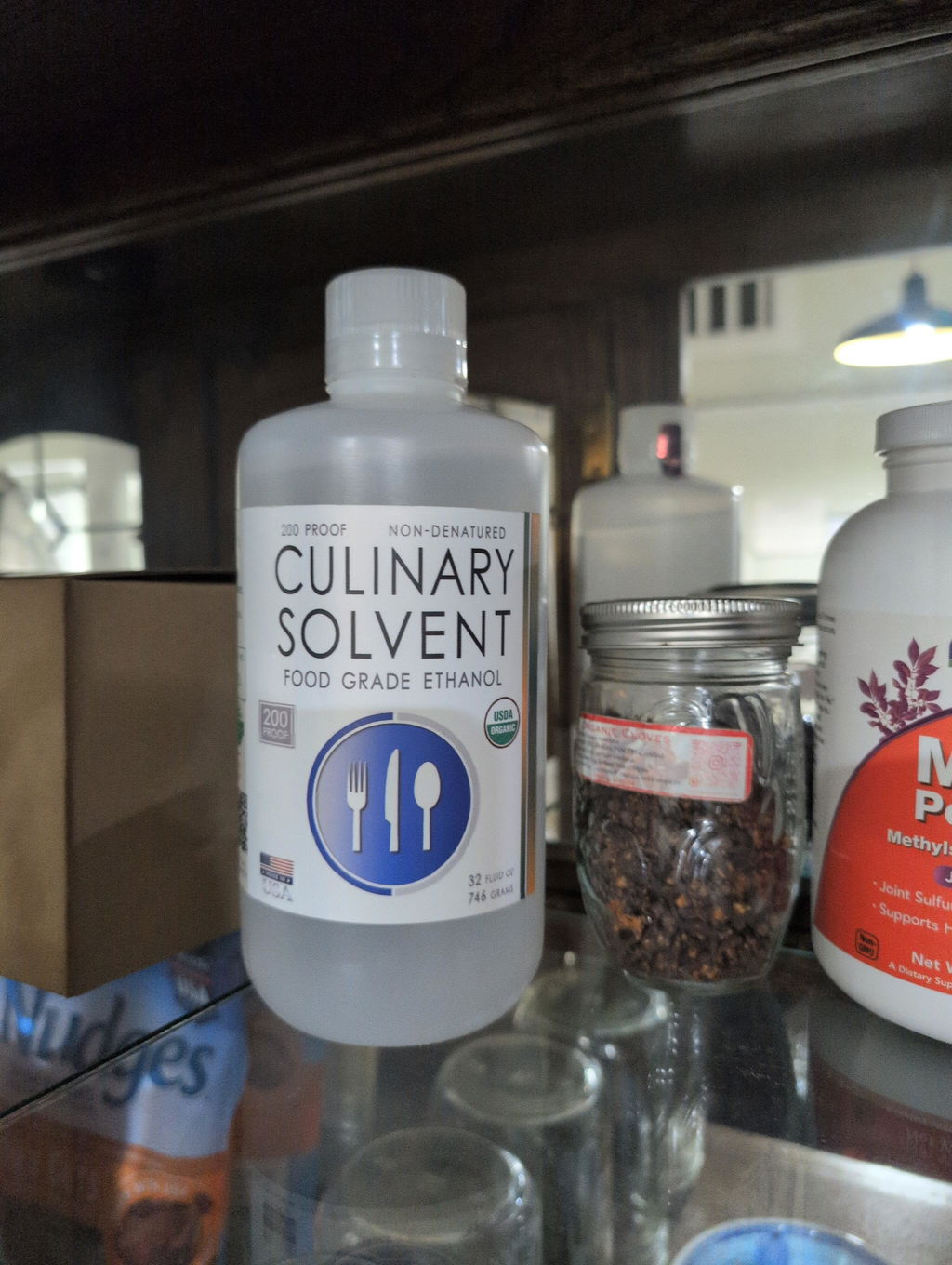
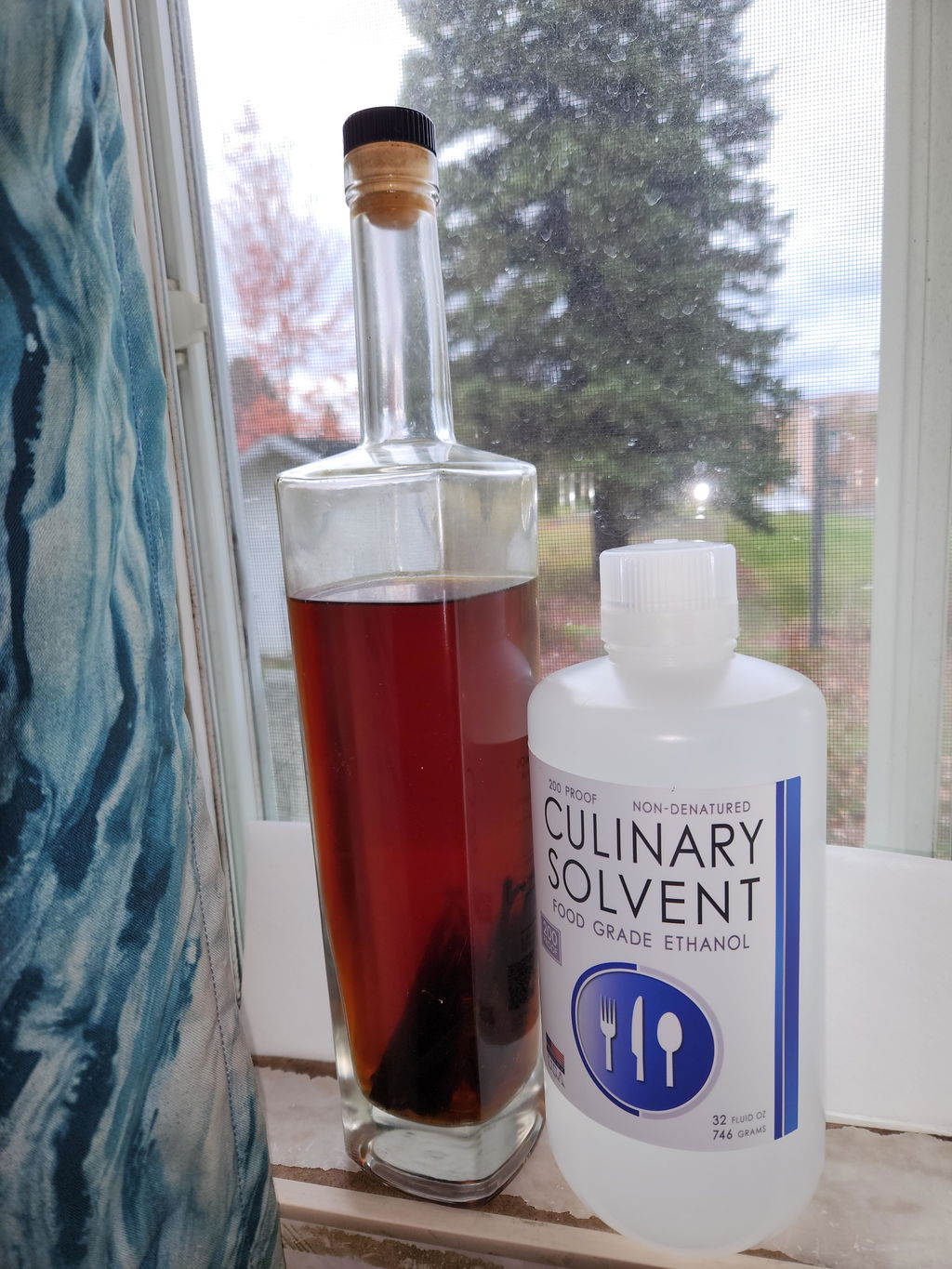
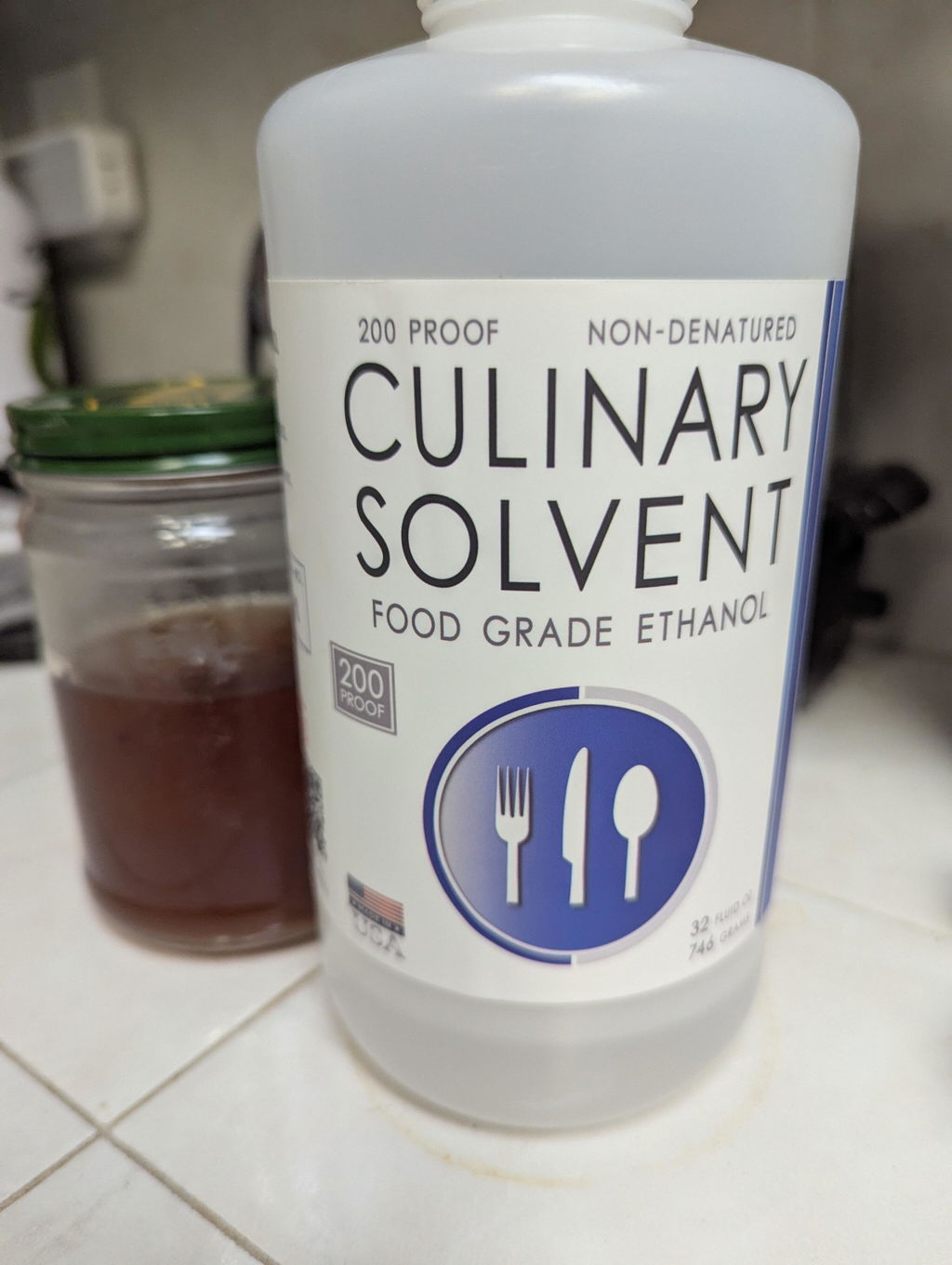
Rose hip extract is a tart, fruit-forward botanical preparation made from the fruit-like hips that form after rose flowers fade. Unlike rose petal extract, which focuses on floral aroma and delicate fragrance, rose hip extract is more about fruit character, color, tartness, and the water-soluble and alcohol-soluble compounds found in the hip. This guide walks through how to select quality rose hips, prepare them correctly, choose a balanced proof, and make a homemade rose hip extract using USDA Certified Organic 190 Proof Food Grade Ethanol.
In This Guide:
- What Are Rose Hips?
- Rose Hip vs. Rose Petal Extract
- Traditional Uses and Context of Rose Hips
- How to Select Quality Rose Hips
- Preparing Rose Hips for Extraction
- A Note About Seeds and Fine Hairs
- Why 100 Proof Works Well for Rose Hip Extract
- How to Prepare 8 fl oz of 100 Proof Using 190 Proof Ethanol
- Recipe: Homemade Rose Hip Extract
- Fresh vs. Dried Rose Hips
- Ways to Use Rose Hip Extract
- Storage and Shelf Life
- Research and References
- Final Thoughts
What Are Rose Hips?
Rose hips are the fruit-like structures that develop on rose plants after the flowers have faded. They are usually red, orange, or deep reddish-orange when ripe, depending on the rose species and growing conditions. In botanical terms, the rose hip is often described as a pseudo-fruit, with a fleshy outer portion surrounding the small seed-like achenes inside.
Rose hips are very different from rose petals. Petals are the fragrant flower part of the plant. Hips are the fruit-like part. That difference matters because rose hips are denser, more tart, more fruit-like, and more preparation-sensitive than petals.
Rose Hip vs. Rose Petal Extract
Rose hip extract and rose petal extract should be made as separate recipes because the plant parts are different and the extraction goals are different. Rose petals are selected for floral aroma, color, and delicate flavor. Rose hips are selected for tart fruit character, seasonal pantry use, and compounds such as vitamin C, phenolics, flavonoids, and carotenoids.
| Rose Hip Extract | Rose Petal Extract |
|---|---|
| Made from the fruit-like hip | Made from the flower petals |
| Tart, fruity, earthy, and slightly floral | Floral, delicate, aromatic, and perfume-like |
| Useful for botanical pantry projects, tart flavor, syrups, beverages, and seasonal extract blends | Useful for desserts, syrups, perfumery experiments, and floral craft projects |
| Requires chopping, seed and hair awareness, and careful straining | Requires gentle handling to preserve aroma and color |
For the flower-focused version, see the companion recipe for homemade rose petal extract.
Traditional Uses and Context of Rose Hips
Rose hips have a long history as both food and traditional botanical material. They have been used in teas, syrups, jams, preserves, wines, and seasonal herbal preparations. Their tart flavor and bright color make them especially useful in recipes where a fruit-like rose ingredient is desired.
Rose hips are often discussed as a natural source of vitamin C, along with other fruit compounds such as polyphenols, flavonoids, carotenoids, organic acids, and seed-associated fatty acids. This makes rose hip different from rose petal. Rose hip extract is less about capturing perfume-like floral aroma and more about preserving tart fruit character in a stable liquid format.
In customer-facing language, rose hips can be described as a traditional fruit-like rose ingredient valued in teas, syrups, pantry preparations, and botanical projects. Avoid claims such as “treats arthritis,” “prevents colds,” “boosts immunity,” “fights inflammation,” or “heals skin.” A safer and more accurate angle is that rose hips have a long history of use in food and traditional herbal preparations and are known for their tart flavor and naturally occurring plant compounds.
How to Select Quality Rose Hips
The best rose hip extract starts with clean, ripe, properly identified rose hips. Quality in = quality out.
Fresh Rose Hips
- Harvest only from rose plants you can confidently identify.
- Use hips from unsprayed, food-safe roses.
- Avoid florist roses and treated ornamental plantings unless they are confirmed safe for food or botanical use.
- Choose hips that are fully colored, firm, and clean.
- Avoid moldy, blackened, rotten, fermented, or insect-damaged hips.
- Harvest away from roadsides, industrial sites, sprayed landscapes, and contaminated soil.
Dried Rose Hips
- Choose cut and sifted rose hips from a trusted supplier.
- Look for good color retention rather than dull brown or dusty material.
- The aroma should be tart, fruity, and clean.
- Avoid material that smells musty, smoky, rancid, or stale.
- Seedless cut rose hips are easier to work with and easier to strain.
Preparing Rose Hips for Extraction
Rose hips need more preparation than rose petals. The fruit-like outer portion should be exposed so the alcohol-water blend can reach the interior. Whole hips are harder to extract thoroughly, especially when dried.
Preparing Fresh Rose Hips
- Rinse the hips in clean water.
- Remove stems and blossom ends.
- Cut each hip in half.
- Remove seeds and fine internal hairs when possible.
- Chop the cleaned hip material into smaller pieces.
- Allow excess surface moisture to dry before adding the hips to the jar.
Preparing Dried Rose Hips
- Use cut and sifted rose hips when possible.
- If using whole dried hips, crack or chop them before extraction.
- Inspect for stems, debris, and overly dusty material.
- Strain carefully after maceration to remove small particles.
A Note About Seeds and Fine Hairs
Rose hips contain seeds and fine internal hairs. These hairs can be irritating, especially if they remain in the finished preparation. For the cleanest extract, use seedless cut rose hips or remove the seeds and fine hairs before extraction.
If you leave the seeds and hairs in during maceration, strain the finished extract very carefully through fine mesh, cheesecloth, and then a paper coffee filter before bottling. Do not skip careful straining. A clean rose hip extract should not contain scratchy particles or visible hairs.
Why 100 Proof Works Well for Rose Hip Extract
Rose hips contain both water-loving and alcohol-friendly compounds. Vitamin C and some organic acids are water-soluble, while ethanol helps with preservation and supports extraction of a broader range of plant compounds. A 100 proof alcohol blend offers a practical balance because it is half ethanol and half water by volume.
For rose hips, the 100 proof target is not about preserving delicate perfume notes the way it is with rose petals. Instead, 100 proof is useful because it supports a broad, balanced extraction from a tart fruit-like ingredient while keeping the finished preparation alcohol-preserved.
Research on rugosa rose fruit has used 50% ethanol as a useful extraction solvent for ascorbic acid and related fruit compounds. Research also supports avoiding high heat when the goal is to preserve vitamin C, because ascorbic acid can degrade under harsher processing conditions. For a home-style rose hip extract, room-temperature maceration is a sensible choice.
When a recipe calls for a proof below 200, USDA Certified Organic 190 Proof Food Grade Ethanol is a clean starting point for blending to the final strength.
How to Prepare 8 fl oz of 100 Proof Using 190 Proof Ethanol
To prepare 8 fluid ounces of 100 proof alcohol from 190 proof ethanol, use this blend:
- Target proof: 100 proof
- 190 proof ethanol: 4.2 fl oz
- Water: 3.8 fl oz
- Finished amount: approximately 8 fl oz
Add the water and ethanol slowly, mix well, and keep the blend away from open flames, sparks, heat, and ignition sources. If you want help adjusting strength for future formulations, see how to dilute your 190 proof.
:recipekit:
Recipe: Homemade Rose Hip Extract
This recipe uses dried cut rose hips for a simple, repeatable batch. Fresh rose hips can also be used, but they require more preparation and contain more natural moisture.
Ingredients
- 1 oz dried cut rose hips, preferably seedless
- 8 fl oz prepared 100 proof alcohol made from 4.2 fl oz USDA Certified Organic 190 Proof Food Grade Ethanol plus 3.8 fl oz water
- Clean glass jar with tight-fitting lid
- Fine mesh strainer
- Cheesecloth or paper coffee filter
- Amber glass bottle for storage
- Label and marker
Instructions
- Inspect the rose hips and remove stems, debris, or poor-quality material.
- If using whole dried rose hips, crack or chop them before extraction.
- Place 1 oz dried cut rose hips into a clean glass jar.
- Prepare 8 fl oz of 100 proof alcohol using 4.2 fl oz 190 proof ethanol and 3.8 fl oz water.
- Pour the prepared 100 proof alcohol over the rose hips until they are fully covered.
- Seal the jar tightly and label it with the ingredient, date, proof, and ratio used.
- Store the jar out of direct sunlight during maceration.
- Shake gently once per day or every few days.
- Let the extract steep for about 2 to 4 weeks.
- Strain through fine mesh to remove the larger solids.
- Filter again through cheesecloth or a paper coffee filter to remove fine particles.
- Transfer the strained extract to amber glass bottles and label clearly.
Fresh Rose Hip Option
For fresh rose hips, use 2 to 3 oz cleaned and chopped fresh rose hips with 8 fl oz prepared 100 proof alcohol. Remove stems, blossom ends, seeds, and fine internal hairs before extraction when possible. Because fresh hips contain more water than dried hips, the finished extract may be softer, fruitier, and slightly less concentrated than the dried rose hip version.
Fresh vs. Dried Rose Hips
Fresh and dried rose hips can both make useful extracts, but they behave differently.
Fresh Rose Hips
- More seasonal and fruit-like.
- Contain more natural moisture.
- Require more cleaning and preparation.
- May produce a softer, fresher tart flavor.
Dried Rose Hips
- Easier to measure.
- More convenient for repeatable recipes.
- Available year-round from herb suppliers.
- Often easier to use when purchased cut, sifted, and seedless.
For most home extract makers, dried cut rose hips are the easiest starting point. For seasonal foragers, fresh hips can be rewarding, but only when the plant is correctly identified and the hips are harvested from a clean, unsprayed source.
Ways to Use Rose Hip Extract
Rose hip extract can be used in small amounts wherever tart fruit character and rose-family botanical flavor are desired. The finished extract may be useful in culinary, herbal, and DIY projects depending on the quality of the hips and the intended use.
- Botanical pantry projects
- Tart flavor drops for beverages
- Seasonal syrups and culinary experiments
- Homemade bitters studies
- Herbal blend experiments
- DIY skincare formulation research, when used with proper formulation knowledge
- Blending with rose petal extract for a “whole rose” style profile
A useful two-part rose project is to make rose petal extract and rose hip extract separately, then blend small test amounts after extraction. The petal extract contributes floral aroma. The rose hip extract contributes tart fruit character. Keeping them separate gives you more control over the finished blend.
Storage and Shelf Life
Clear glass is acceptable during maceration if the jar is kept out of direct sunlight. Once the extract is finished, transfer it to amber or UV-protective glass for longer-term storage. Keep the bottle away from direct sunlight, heat, open flame, and ignition sources.
Rose hip extract may contain more sediment than rose petal extract because the hips are fruit-like and dense. Fine settling is normal after bottling. Mold, pressure buildup, off odors, visible growth, or active bubbling are not normal. Discard any preparation that shows signs of spoilage.
For best quality, label the finished bottle with the ingredient, proof, date made, plant form used, and whether the hips were fresh or dried. For more detailed handling guidance, see Storage tips.
Research and References
Rose hip extraction is influenced by species, harvest time, fruit preparation, drying method, solvent strength, temperature, and extraction time. The following references were used to guide the proof selection, preparation notes, and research context in this recipe:
- Bioactive ingredients of rose hips, Rosa canina L.
- Ultrasound-assisted extraction and antioxidant activity of rugosa rose fruit compounds
- Optimization of ascorbic acid extraction from rugosa rose fruit
- Recent advances and insights into rosehip bioactive properties
- Practical guide to processing rose hips, including seeds and fine hairs
Final Thoughts
Rose hip extract is a different preparation from rose petal extract. Rose petals capture the flower. Rose hips capture the fruit-like part of the plant. Both are useful, but they deserve separate recipes because the plant parts, preparation steps, flavor, and extraction priorities are different.
For rose hips, 100 proof alcohol made from USDA Certified Organic 190 Proof Food Grade Ethanol offers a balanced starting point. The water portion supports extraction of water-soluble fruit compounds, while the ethanol helps preserve the finished preparation and supports a broader extraction profile. Start with clean, well-prepared rose hips, strain carefully, and store the finished extract in amber glass for best quality.
Disclaimer: This content is for informational and educational purposes only. Consult a qualified professional before using botanical preparations for any specific purpose. Individual results may vary. Use only correctly identified, food-safe, unsprayed rose hips from a trusted source.