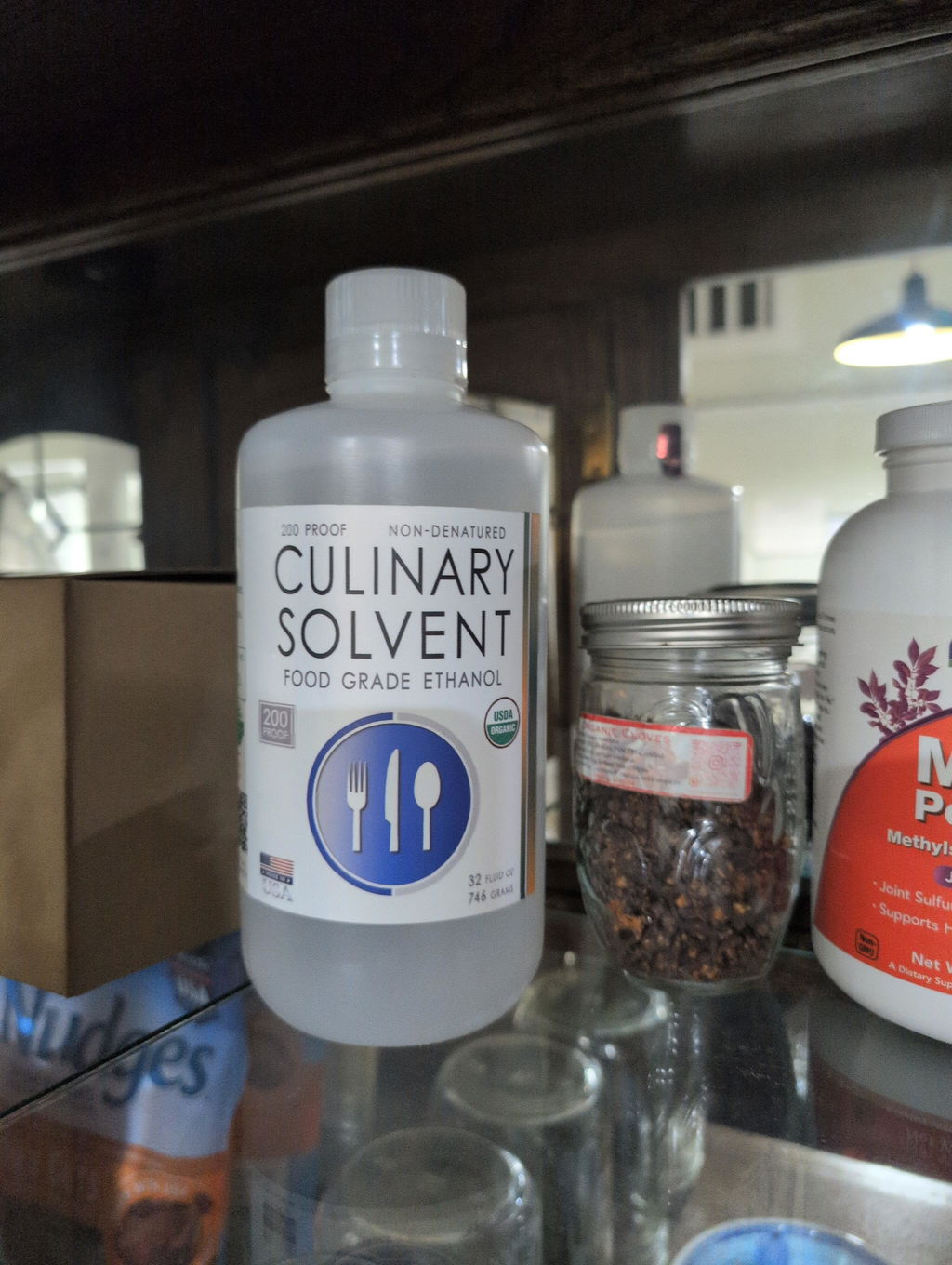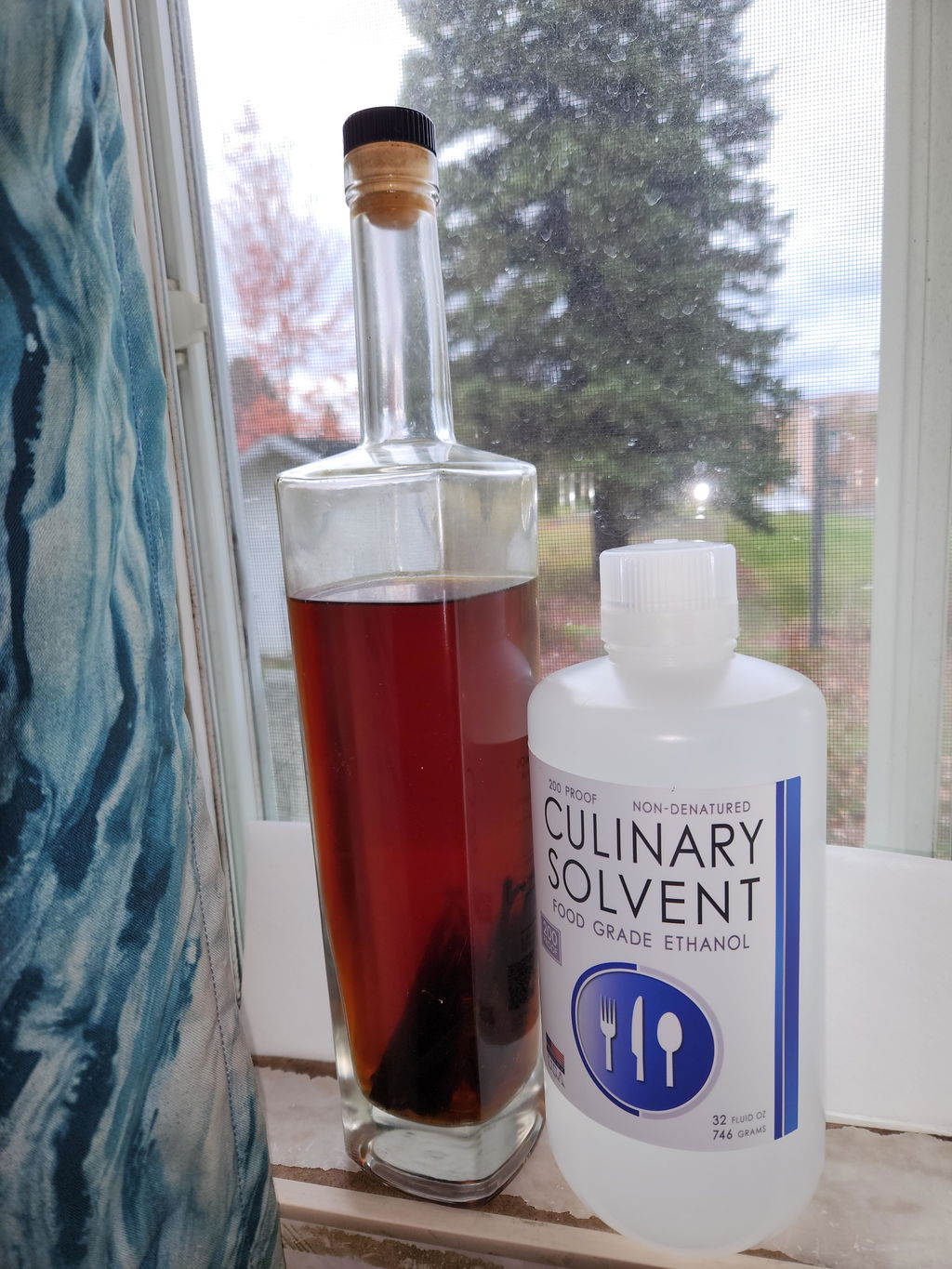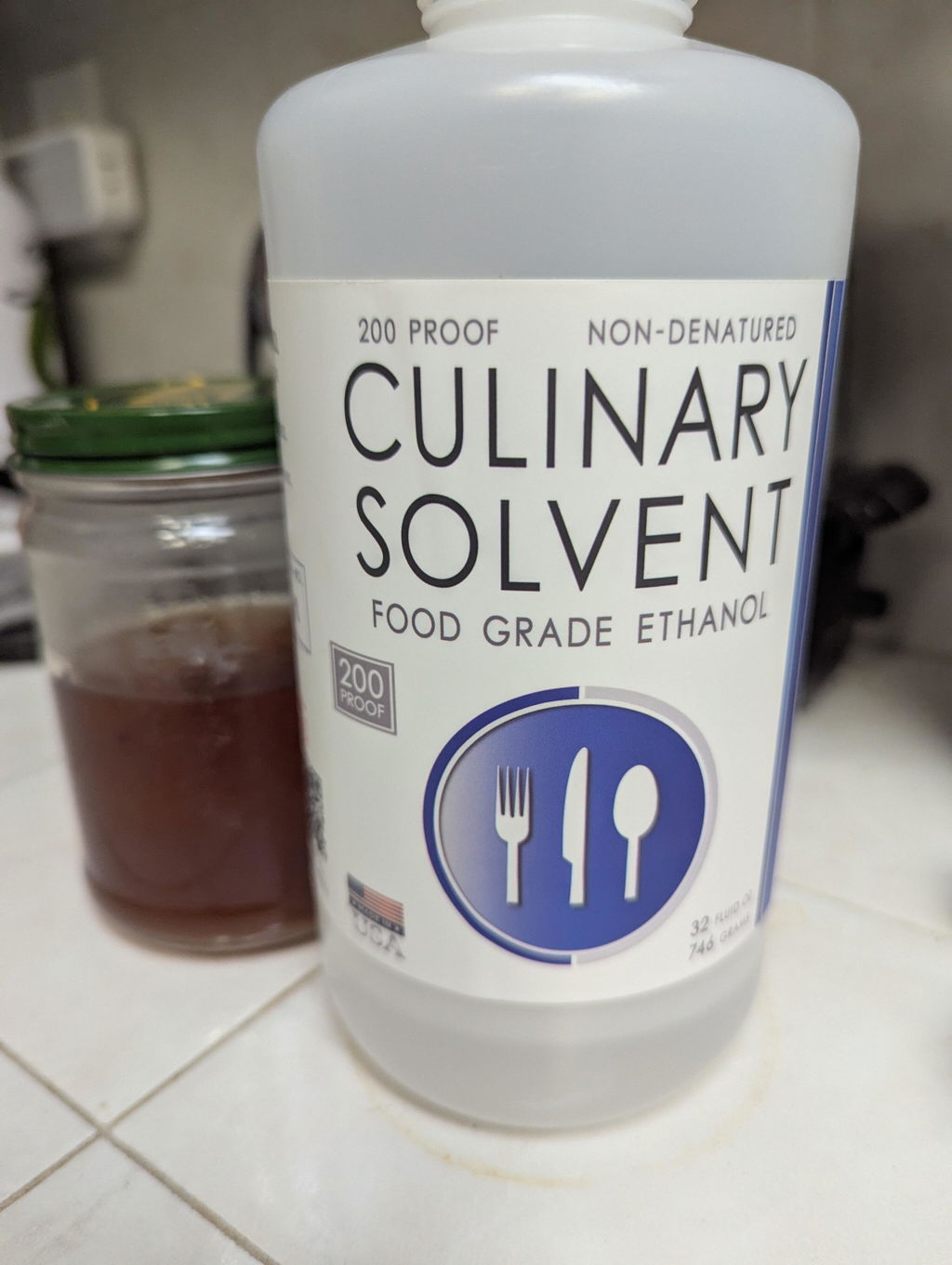

How to Work with Lanolin and Food Grade Ethanol

Lanolin is different from the herbs, roots, citrus peels, resins, and spices commonly used in tincture and extract recipes. It is already a refined waxy material derived from wool grease, which means ethanol is not extracting lanolin from a raw ingredient. Instead, food grade ethanol can be used as a clean alcohol phase in small formulation experiments.
This guide explains how lanolin behaves when combined with 200 proof food grade ethanol, why the result should not be described as a true tincture or extract, and what makers should expect when working with waxy, oil-like materials in alcohol-based systems.
In This Guide:
- What is Lanolin?
- Where Does Lanolin Come From?
- How Lanolin Behaves with Ethanol
- What Role Can 200 Proof Ethanol Play?
- Does Ethanol Emulsify Lanolin?
- Sourcing and Selecting Quality Lanolin
- Preparing Lanolin for Formulation
- Simple Lanolin and Ethanol Formulation Test
- Best Practices for Storage
- Final Thoughts
What is Lanolin?
Lanolin is a waxy material obtained from sheep wool. It is often called wool wax or wool grease, though refined lanolin is processed and cleaned before being sold for cosmetic, topical, or formulation use. It is thick, sticky, and rich in wax esters, sterols, and related lipid-like materials.
Because lanolin is already a refined waxy ingredient, it does not behave like a plant material that ethanol can extract. A lanolin and ethanol mixture is better understood as a formulation experiment involving a waxy, partially alcohol-compatible material.
Where Does Lanolin Come From?
Lanolin is collected during wool processing. After sheep are sheared, the raw wool is washed and scoured. The greasy material removed during that process is separated, refined, and purified into the lanolin used in topical products and formulation work.
The quality of lanolin depends on sourcing, refinement, odor control, impurity removal, and storage. Poor quality lanolin will not be improved by adding ethanol. It will simply carry those quality problems into the finished experiment. Quality in = Quality out.
How Lanolin Behaves with Ethanol
Lanolin does not dissolve into ethanol the way citrus oils, vanilla compounds, botanical resins, or aromatic herb constituents can. It may soften, disperse, cloud, or partially interact with alcohol depending on temperature, concentration, and handling, but separation or waxy residue should be expected.
For that reason, this page should not be treated as a standard extract recipe. A lanolin and ethanol preparation is not a stable tincture. It is a small formulation test that helps show how waxy materials behave in a high-proof alcohol environment.
What Role Can 200 Proof Ethanol Play?
For lanolin, 200 proof food grade ethanol is useful because it provides a clean, low-water alcohol phase for controlled experimentation. That matters because lanolin is already difficult to combine with simple alcohol-water systems, and extra water can make the behavior even less predictable.
- Clean alcohol phase: 200 proof ethanol provides a pure, non-denatured alcohol starting point.
- Temporary dispersion: Lanolin may disperse when shaken or mixed, but the system should not be expected to remain uniform.
- Texture observation: Ethanol can help makers observe how a waxy ingredient changes feel, flow, and appearance in an alcohol environment.
- Low-water starting point: 200 proof ethanol avoids adding unnecessary water at the start of the experiment.
The key limitation is just as important: ethanol is not extracting lanolin in the traditional sense.
Does Ethanol Emulsify Lanolin?
No. Ethanol is not a true emulsifier for lanolin. Ethanol mixes with water, but that does not mean it can permanently combine lanolin, ethanol, and water into a stable cosmetic formula.
Lanolin itself has interesting formulation behavior because it can absorb some water and support certain water-in-oil systems. However, a stable finished cosmetic product requires proper formulation design, phase control, preservation strategy, and testing. Ethanol alone should not be treated as the ingredient that makes lanolin emulsify.
Sourcing and Selecting Quality Lanolin
Choose refined lanolin from a reputable supplier. For topical or cosmetic experimentation, select cosmetic-grade, pharmaceutical-grade, or medical-grade lanolin when available.
- Look for lanolin that is pale yellow to golden and consistent in texture
- Avoid material with strong rancid, smoky, or chemical odors
- Choose products without added fragrance, colorants, or unnecessary fillers
- Check supplier reputation, grade, and intended use
Lanolin is the primary ingredient in this formulation test, so its quality controls the quality of the final result.
Preparing Lanolin for Formulation
Lanolin is thick and sticky at room temperature. If needed, soften it gently before measuring. Warm the lanolin separately using a warm water bath, then remove it from heat before combining with ethanol.
Important: Do not heat ethanol directly. Do not use ethanol near open flame, sparks, hot plates, or other ignition sources. Keep the ethanol sealed until ready to combine, and work in a well-ventilated area.
Simple Lanolin and Ethanol Formulation Test
This small test is intended to show how lanolin behaves with food grade ethanol. It is not a conventional extract and should not be treated as a finished cosmetic formula.
Ingredients
- 1 teaspoon refined lanolin
- 1 fl oz 200 proof food grade ethanol
Steps
- Add the lanolin to a clean glass jar or bottle.
- If the lanolin is too stiff to handle, soften it gently in a warm water bath before adding ethanol. Remove from heat before combining.
- Add the 200 proof food grade ethanol.
- Seal the container tightly.
- Shake vigorously for 20 to 30 seconds.
- Observe immediately, then again after 5 minutes, 30 minutes, and several hours.
- Record clouding, separation, waxy residue, texture change, or layering.
Note: Separation, clouding, and waxy residue are expected. Shake before evaluation, and do not assume the mixture is permanently blended.
Best Practices for Storage
Store lanolin formulation tests in tightly sealed amber or cobalt glass containers away from heat and direct sunlight. Because lanolin is a waxy lipid-like material, it can degrade when exposed to air, heat, or poor storage conditions.
Keep experimental batches small, label each container with the date and formula, and discard the preparation if it develops an off odor, unusual texture, visible contamination, or unexpected changes.
Final Thoughts on Lanolin and Food Grade Ethanol
Lanolin is not extracted by ethanol the way a botanical ingredient is. It is already a refined wool wax, and when combined with ethanol, the result is best understood as a formulation experiment rather than a true tincture or stable extract.
For makers who want to study how waxy materials behave in alcohol systems, 200 proof food grade ethanol provides the cleanest starting alcohol phase. It gives you control, minimizes added water, and helps keep the experiment focused on the behavior of lanolin itself.
Disclaimer: This blog post is intended for educational and informational purposes only and does not constitute medical, cosmetic safety, or formulation advice. Always consult a qualified professional before using new ingredients in skincare, cosmetic, topical, or personal care products. Perform appropriate safety, stability, and compatibility testing before use. Individual results may vary.