
How to Work with Gelatin and Food Grade Ethanol

Gelatin is different from most ingredients used in tincture and extract recipes. Citrus peel, aromatic herbs, resins, and spices often release desirable compounds directly into ethanol. Gelatin behaves differently because it is a collagen-derived protein that is primarily water-soluble, not alcohol-soluble.
This page explains how gelatin behaves with water and 200 proof food grade ethanol, and why ethanol should be understood as a formulation tool rather than a true extraction solvent for gelatin.
In This Guide:
- What is Gelatin?
- How Gelatin Behaves with Water and Ethanol
- What Role Can 200 Proof Ethanol Play?
- Does Ethanol Help Gelatin Emulsify with Water?
- Sourcing and Selecting Quality Gelatin
- Preparing Gelatin for Formulation
- Simple Gelatin and Ethanol Formulation Test
- Best Practices for Storage
- Final Thoughts
What is Gelatin?
Gelatin is a natural protein made by partially hydrolyzing collagen, usually from animal skin, bones, and connective tissue. It is commonly sold as powder, granules, or sheets and is valued for its ability to hydrate in water, dissolve with heat, and form a gel as it cools.
Gelatin is widely used by chefs and bakers in desserts, gummies, marshmallows, glazes, and molded preparations. It is also used in capsules, cosmetic formulas, and other applications where its film-forming, thickening, or gelling behavior is useful.
How Gelatin Behaves with Water and Ethanol
Gelatin works best when it is first hydrated in water. This step is often called blooming. Once hydrated, gelatin can dissolve into warm water and form a gel as the mixture cools.
High-proof ethanol behaves differently. Gelatin does not dissolve in alcohol the way citrus oils or aromatic plant compounds do. In fact, ethanol can reduce gelatin’s solubility in water-rich systems and may cause gelatin to aggregate, settle, or form suspended particles. For this reason, a gelatin preparation made with ethanol is better described as a formulation or dispersion rather than a true extract.
What Role Can 200 Proof Ethanol Play?
For gelatin, 200 proof food grade ethanol can still be useful, but its role should be described accurately.
- As a clean formulation solvent: Ethanol can be used in hydroalcoholic experiments where both water and alcohol are part of the system.
- As a preservative support: Ethanol can help reduce spoilage risk in water-containing formulations, depending on final alcohol concentration.
- As a wetting and dispersion aid: Ethanol may help distribute gelatin particles temporarily, although settling can still occur.
- As a desolvating agent: In technical settings, ethanol can reduce gelatin solubility and encourage gelatin particles to separate from solution.
The important distinction is this: ethanol is not extracting gelatin the way it extracts citrus peel, vanilla, herbs, or resins. It is helping create a controlled alcohol-water environment for formulation experiments.
Does Ethanol Help Gelatin Emulsify with Water?
No, not in the usual sense. Ethanol mixes freely with water, so it does not need an emulsifier to combine with water. Gelatin is the ingredient with emulsifying or stabilizing potential, not the ethanol.
Gelatin can help stabilize certain oil-in-water systems because it is a protein with both water-interacting and oil-interacting regions. However, gelatin is not as strong or universal as dedicated emulsifiers used in cosmetic or food formulation. Ethanol may change the behavior of a gelatin-water system, but it should not be described as the ingredient that makes gelatin emulsify into water.
Sourcing and Selecting Quality Gelatin
Choose plain, unflavored, food-grade gelatin from a reputable supplier. Avoid products with added sugar, color, flavor, or stabilizers unless those additions are intentional for your project.
- Powdered gelatin: Easy to measure and useful for small formulation tests.
- Gelatin sheets: Common in culinary work and useful when consistent sheet strength is preferred.
- Hydrolyzed collagen: Different from standard gelatin. It dissolves differently and does not gel in the same way.
Quality matters because gelatin formulations reflect the material used to make them. Clean, neutral-smelling gelatin is a better starting point than material with off odors, discoloration, or questionable storage history.
Preparing Gelatin for Formulation
For most gelatin work, begin with water. Sprinkle powdered gelatin over cool water and allow it to bloom before warming gently to dissolve. If using sheets, soak them in cool water until softened, then dissolve into warm liquid.
Once the gelatin is hydrated and dissolved in water, ethanol can be introduced slowly while stirring. Adding high-proof ethanol too quickly may cause clouding, stringing, clumping, or separation. This is expected behavior and reinforces why this preparation is better understood as a formulation test rather than a standard extract.
Simple Gelatin and Ethanol Formulation Test
This small test helps demonstrate how gelatin behaves in a water-and-ethanol system.
Ingredients
- 1 teaspoon plain powdered gelatin
- 4 fl oz cool water
- 1 to 2 fl oz 200 proof food grade ethanol
Steps
- Sprinkle gelatin over the cool water and let it bloom for 5 to 10 minutes.
- Warm gently until the gelatin fully dissolves. Do not boil.
- Allow the mixture to cool slightly while remaining liquid.
- Add ethanol slowly while stirring.
- Observe texture, clarity, clouding, settling, or thickening.
- Label the container with the date and formula details.
Note: This is not a conventional extract. Gelatin may cloud, separate, thicken, or settle depending on concentration, temperature, and alcohol level. Shake or stir before evaluation.
Final Thoughts on Gelatin and Food Grade Ethanol
Gelatin is useful, but it does not behave like a typical tincture or extract ingredient. It is not efficiently extracted by ethanol, and high-proof alcohol may reduce gelatin solubility rather than improve it. The better opportunity is to understand how gelatin behaves in hydroalcoholic systems and use ethanol carefully as a clean formulation tool.
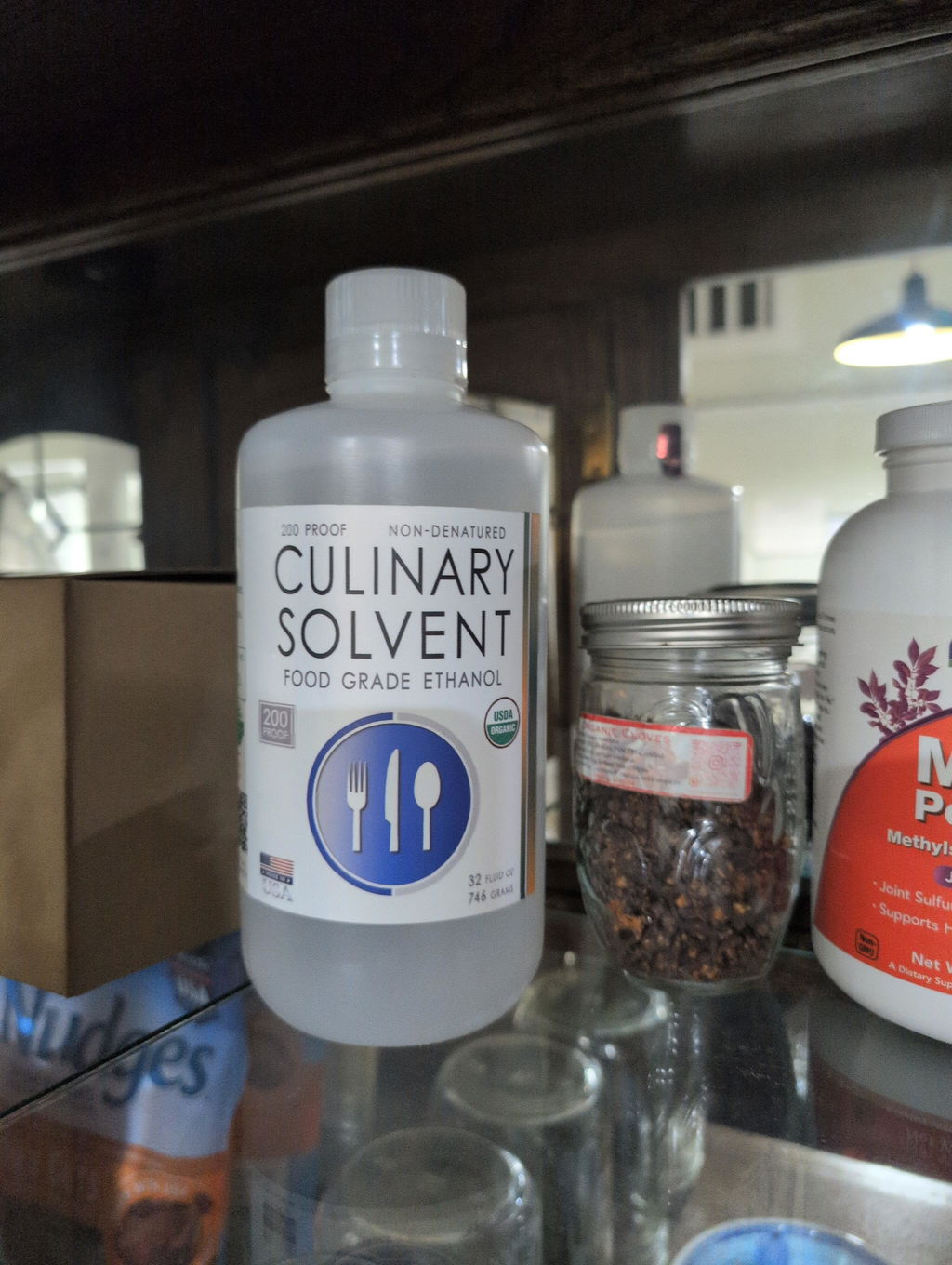
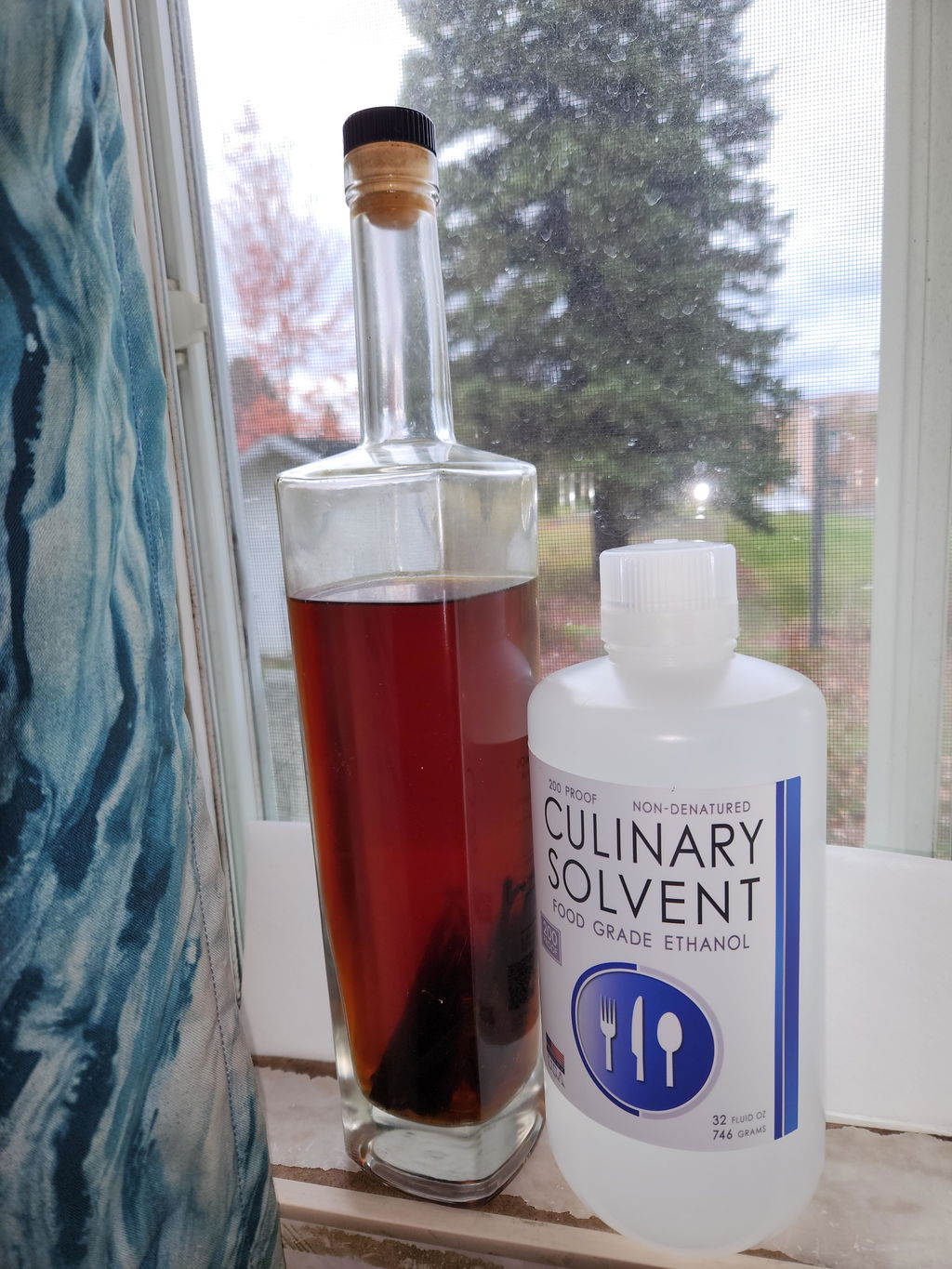
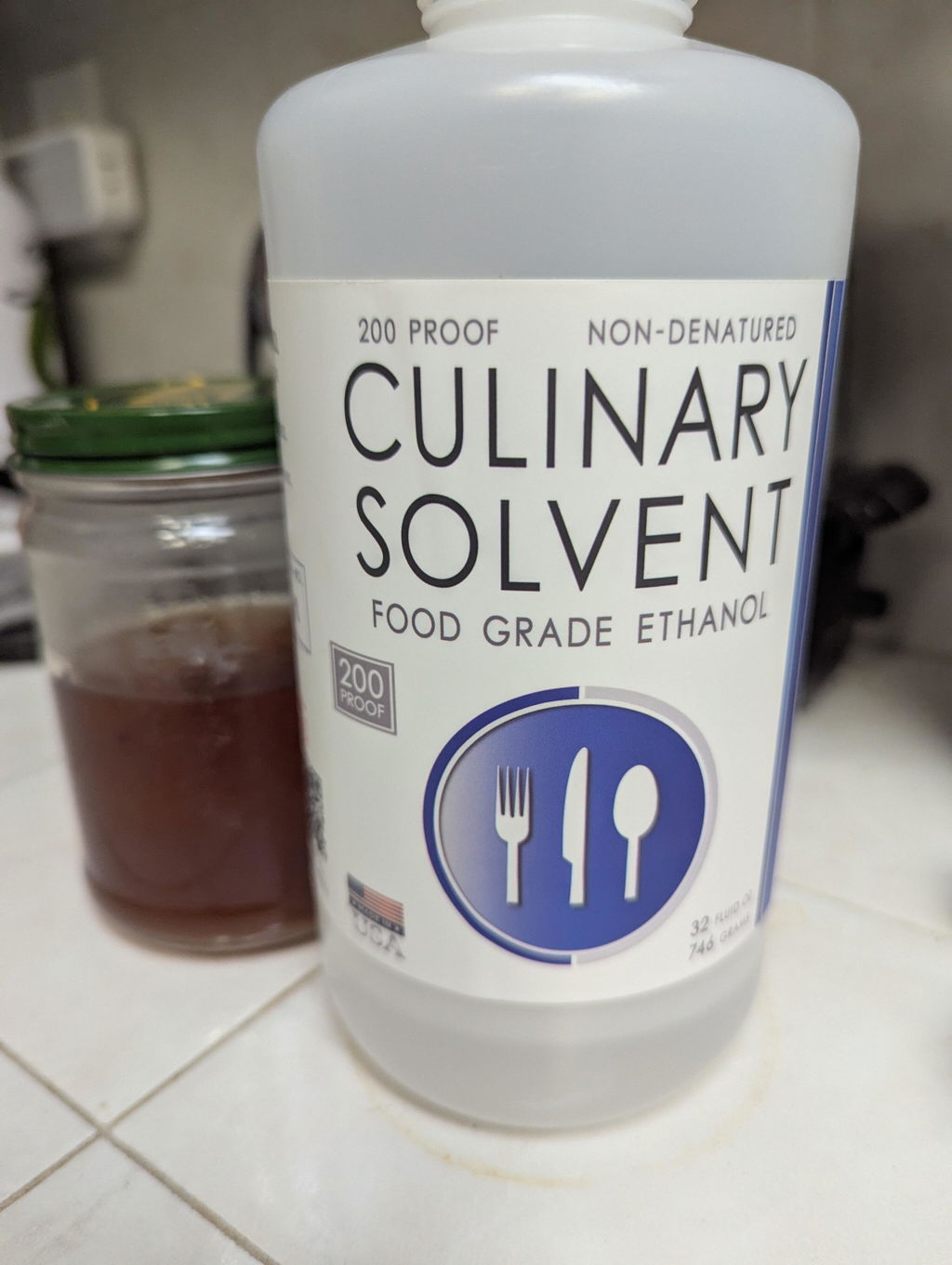
If you are experimenting with gelatin, water, and alcohol-based preparations, start with a pure, non-denatured solvent such as 200 proof food grade ethanol. It gives you the cleanest starting point for controlled small-batch formulation work.
Disclaimer: This blog post is for educational and informational purposes only and does not constitute medical, dietary, cosmetic safety, or formulation advice. Always consult a qualified professional before using new ingredients in supplements, foods, cosmetics, or topical preparations. Individual results may vary.