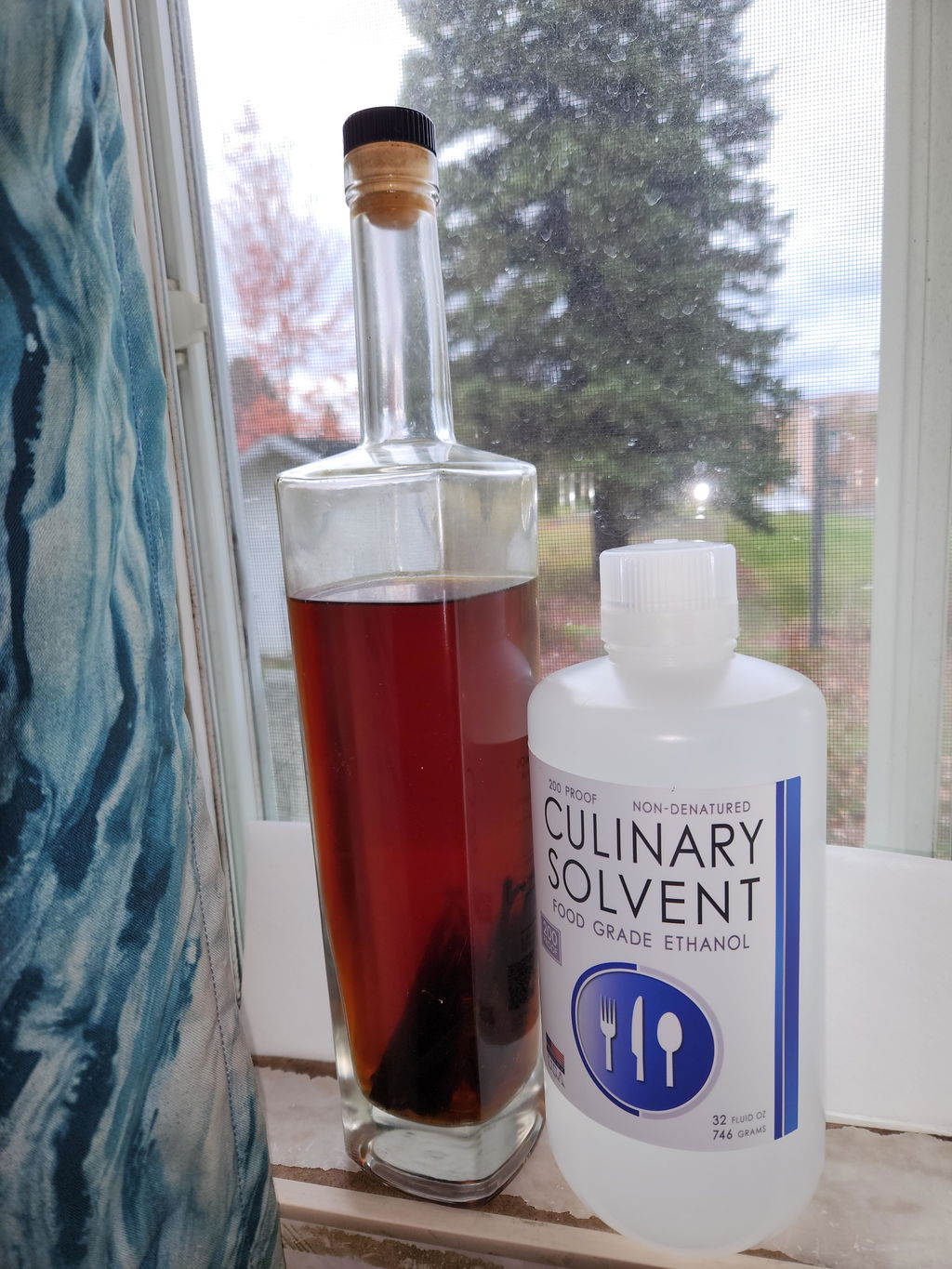

Homemade Fennel Tincture and Extract Recipe using Food Grade Ethanol

Fennel is a flavorful and aromatic plant commonly used in culinary applications and botanical preparations. This guide focuses on a homemade fennel tincture made with fennel seeds and 200 Proof Food Grade Ethanol diluted to a more targeted working strength for this ingredient. When prepared carefully, fennel makes a practical small-batch extract for kitchen projects, aromatic blends, and other hands-on preparations.
What Is Fennel?
Fennel, Foeniculum vulgare, is a perennial herb in the Apiaceae family, recognized for its feathery foliage and mild licorice-like aroma. It is widely used in culinary traditions, herbal infusions, and botanical formulations. For tincture-making, the seeds are the main point of focus because they hold a concentrated aromatic character and are easy to source in a consistent form.
Why Make a Fennel Tincture?
A tincture gives fennel a more stable liquid format than whole seeds alone. It is a practical way to preserve fennel seed in a shelf-stable form that is easy to store, strain, and blend into later projects. Fennel tincture also fits naturally into workflows for chefs and bakers, into botanical experimentation for herbalists, and into small-batch aromatic formulation work for DIY enthusiasts.
Where Is Fennel Grown?
Fennel is not native to North America but has been cultivated widely in gardens, herb farms, and naturalized growing areas. It is commonly associated with California, Oregon, Washington, Texas, and Florida. It grows best in well-drained soil with full sun and is often found in both culinary gardens and larger herb-growing operations.

Sourcing and Selecting Quality Fennel
For the best tincture results, source dried or fresh fennel seeds from reputable suppliers, farmers' markets, or cultivated home gardens. Choose plump, aromatic seeds with a sweet licorice-like scent and good color. Avoid seeds that appear dull, brittle, dusty, or lacking fragrance. Stronger starting material produces a more dependable finished extract.
Preparing Fennel for Tincture
Make sure the seeds are clean and free of debris before they go into the jar. Gently crush the fennel seeds to release their natural aromatic compounds and improve extraction. A light crush is usually enough. There is no need to reduce them to powder, which can make straining more difficult later.
Choosing the Right Menstruum
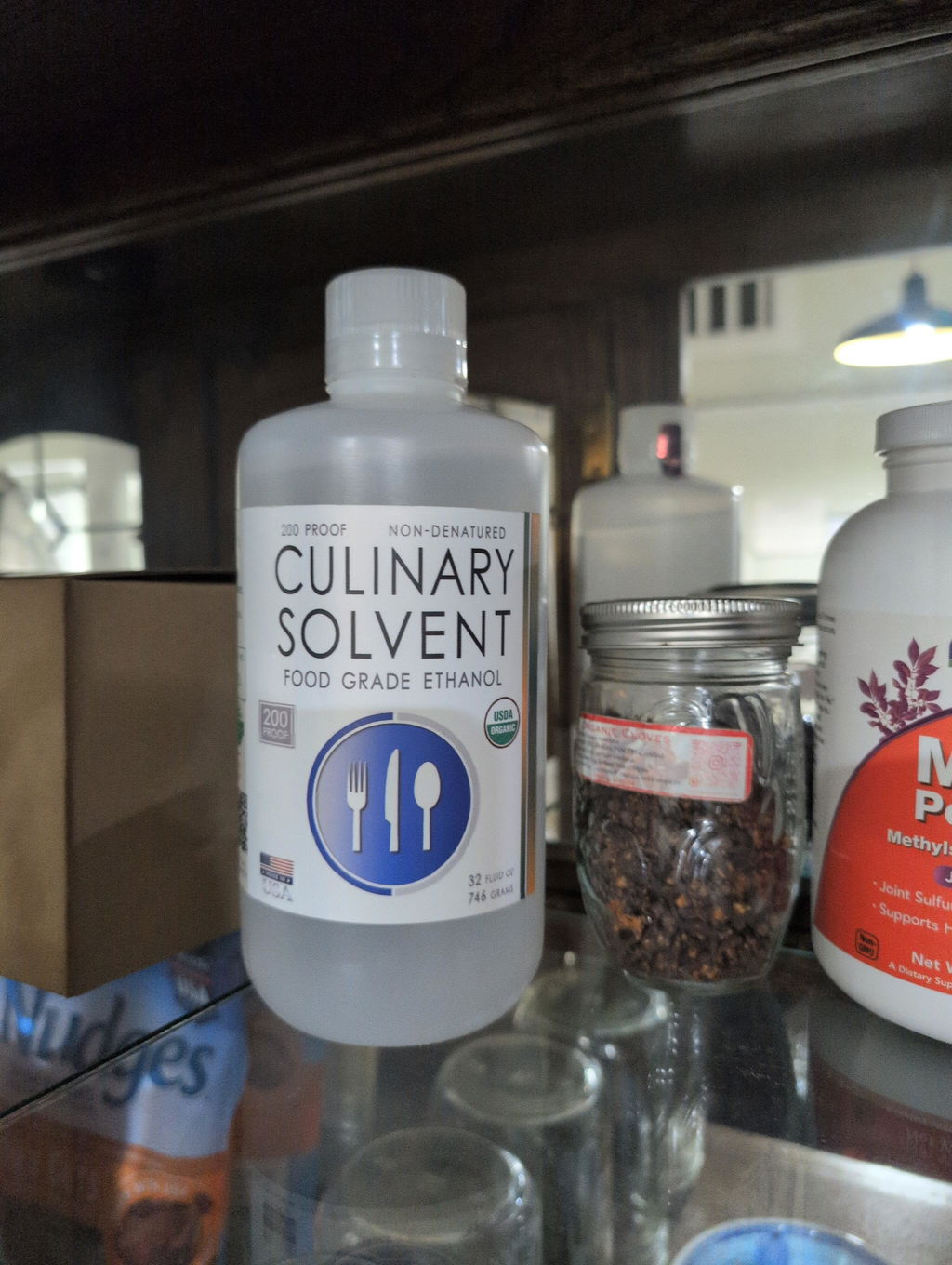
Fennel seeds benefit from an ethanol-water balance rather than a one-size-fits-all straight high-proof approach. A mixed menstruum can better support extraction of both alcohol-soluble and water-soluble plant compounds while still keeping ethanol high enough to preserve the finished tincture. Starting with 200 Proof Food Grade Ethanol gives you the flexibility to dilute to a more targeted working strength before combining it with the seed.
If you want help preparing other proof levels later, the dilution guide is a useful companion reference.
Why 130 Proof Works for Fennel
For this guide, the target menstruum is 65% ABV, or 130 proof. That gives fennel seed a more balanced extraction environment than using undiluted alcohol from start to finish. It keeps ethanol high enough to capture the seed's aromatic character while adding enough water to support a broader extraction profile from the crushed seed material.
Because the final target is below 190 proof, the cleanest approach is to begin with 200 Proof Food Grade Ethanol and dilute it before combining it with the fennel.
How to Prepare 8 fl oz of 130 Proof Menstruum
To prepare 8 fl oz of 65% ABV menstruum from 200 proof ethanol:
Alcohol volume: 8 × 0.65 = 5.2 fl oz of 200 proof ethanol
Water volume: 8 - 5.2 = 2.8 fl oz of water
So your 8 fl oz menstruum is:
5.2 fl oz 200 Proof Food Grade Ethanol
2.8 fl oz water
This gives you a practical starting blend for fennel seed extraction.
Recipe Execution
The recipe below is built around fennel seeds. Once the seed has been inspected and lightly crushed, place it into a clean glass jar and pour the prepared 130 proof menstruum over the material until it is fully submerged. Fennel seeds can absorb liquid and rise slightly as they hydrate, so it helps to check occasionally during maceration to make sure everything stays covered.
If you want the most repeatable process from batch to batch, keep the seed form consistent each time and use the same level of crush for each new batch.
:recipekit:
Best Practices for Storing Your Fennel Tincture
Store your tincture in amber or other dark glass away from sustained heat and direct sunlight. During maceration, clear glass is acceptable as long as the jar stays out of direct sun. Many makers leave the marc in the menstruum until they are ready to strain, and straining remains optional depending on the intended use and the clarity you want in the finished tincture. Once bottled for longer-term storage, keeping the tincture cool and dark helps maintain overall quality.
Ways to Use Fennel Tincture
Culinary Applications
Fennel tincture can be explored as an aromatic ingredient in syrups, teas, cocktail bitters, and other kitchen projects. For broader solvent guidance tied to food preparation, continue exploring for chefs and bakers.
Crafting and Botanical Uses
Fennel tincture can also be kept as a botanical component for herbal blends, aromatic formulations, and other small-batch projects. Its sweet licorice-like scent also makes it appealing for broader maker-focused experimentation for DIY enthusiasts.
Final Thoughts on Crafting a Fennel Tincture
Making a fennel tincture at home is a practical way to turn aromatic seed into a more stable, concentrated extract. Using 200 Proof Food Grade Ethanol to prepare a 130 proof menstruum creates a cleaner starting point for a more controlled and repeatable extraction process.
Start with the Right Alcohol for a Better Fennel Tincture
If you want better control over dilution, proof, and repeatable extraction, start with 200 Proof Food Grade Ethanol. It gives you a clean, flexible base for fennel seed and future custom-strength formulations alike.

Disclaimer: This content is for informational and educational purposes only. It is not medical advice and does not make any claim to diagnose, treat, cure, or prevent disease. Consult a qualified professional before using tinctures for any specific application. Individual reactions may vary.