
Choosing Shellac Flakes: Color, Wax, and the Best Mix for Fine Wood Finishes
If you are ready to mix your own shellac, you are already thinking one step beyond the average woodworker. That is a good place to be. Mixing shellac from flakes gives more control, fresher finish, more color options, and a better understanding of what is actually going on in the jar and on the wood.
It also raises a new question. Which shellac flakes should be purchased?
That is where many beginners get stuck. They see names like Platina, Super Blonde, Blonde, Lemon, Orange, Garnet, Buttonlac, and Seedlac and are left trying to guess what those names really mean. Then they run into another decision that matters just as much: waxed or dewaxed. Then, once the shellac flake is chosen, there is still the question of how to mix it.
The good news is that choosing shellac flakes gets much easier once the decision is broken into three parts:
- Color choice changes the look.
- Wax choice changes compatibility.
- Mixing strength changes how the shellac behaves in use.
Once those three things are understood, shellac becomes much easier to buy with confidence.
What Shellac Flakes Are, and Why Many Woodworkers Prefer Them
Shellac flakes give something premixed shellac never can: control. You decide how fresh the finish is. You decide how strong to mix it. You decide how much color to add. You decide whether waxed shellac makes sense for a traditional shellac-only finish, or whether dewaxed shellac is the smarter choice for a more versatile finishing schedule.
That matters because shellac is not just one uniform product in a can. It is a natural resin finish sold in different colors, different levels of refining, and different wax states. That is exactly why flakes are so appealing to woodworkers who want better control over the final outcome.
Another practical reason to buy flakes is freshness. Liquid shellac does not hold forever. Once shellac is dissolved, age starts working against it. Drying can slow down, performance can become less reliable, and old shellac can eventually become frustrating to use. Flakes solve that problem by letting you mix only what is needed, when it is needed.
The Main Shellac Flake Varieties You Are Likely to See
One thing that confuses beginners is that shellac grade names can sound more precise than they really are. Supplier naming can vary a little, but in practical terms most shellac flakes are sold by two broad identifiers: color and wax status.
At the pale end, there are usually options like Platina, Super Blonde, Blonde, or other very light shellacs. These are for woodworkers who want shellac behavior without adding much warm color to the wood. They are especially attractive on lighter woods or in situations where shellac is being used as a sealer and a strong amber shift is not wanted.
In the middle, there are Lemon, Yellow, Orange, or Amber style shellacs. These are the grades that produce what many people think of as the classic shellac look. They add more warmth and are often the reason shellac is described as glowing.
At the darker end, there are Garnet and other darker traditional shellacs, plus more specialized forms such as Buttonlac or Seedlac. These are not simply stronger versions of the lighter shellacs. They are visually different. Garnet tends to push toward deeper brown-red tones, while Seedlac and Buttonlac often sit in the older, more traditional, less-refined part of the shellac world.
The important takeaway is simple. These names are not just decorative labels. They tell you something meaningful about how much color the shellac is likely to add and how refined the material is likely to be.
Why Different Shellac Flakes Are Different Colors
This is where shellac gets more interesting. Different shellac flakes are different colors partly because shellac is a natural material, and partly because suppliers process that natural material in different ways.
Darker wax-containing shellacs such as Garnet are associated with one production path. Dewaxed shellacs are made by dissolving and filtering to remove the natural wax. Lighter grades such as Blonde and Super Blonde go through additional decolorizing steps that remove more of the darker coloring constituents. In other words, shellac color is not random. It reflects both the starting material and the amount of refining that has taken place.
That matters because beginners often assume all shellac flakes are basically the same except for color. That is not quite right. The color difference is real, but the processing behind that difference often tells you something useful too.
There is another point here that deserves attention. Shellac suppliers note that flakes should be judged in liquid form, not just in the dry bag, because variation in flake thickness can make one batch appear lighter or darker than another before it is ever dissolved. They also note that final color should be judged only after all finish coats are in place, because depth of tone increases with each layer.
That means dry flakes, dissolved shellac, and built finish are three different visual stages. A buyer who judges shellac only by looking at the dry flakes may be misreading the final result.
That single idea is one of the most helpful things a beginner can learn. Shellac should be judged in solution and on wood, not just in the bag.
Waxed vs. Dewaxed Shellac, and Why That Choice Matters
If color tells you what the finish may look like, wax content tells you how flexible the shellac will be in the overall finishing schedule.
Natural shellac contains wax. That is not a defect. It is simply part of shellac in its more natural state. When shellac is being used as a stand-alone finish, that is not necessarily a problem at all. In some traditional shellac-only applications, waxed shellac can make perfect sense.
Dewaxed shellac is different. In dewaxed shellac, the natural wax has been removed or reduced to a very low level. That makes dewaxed shellac the safer default recommendation when shellac may be used as a sealer, undercoat, or intermediary finish layer beneath another topcoat.
So when should waxed shellac be purchased?
Waxed shellac makes sense when the goal is a traditional shellac-only finish and there is no plan to put another finish over the top. Dewaxed shellac makes more sense when the most broadly useful shellac is desired, especially if there is any chance the project will be topcoated later.
If there is uncertainty, dewaxed is usually the smarter first purchase.
How to Think About Shellac Color in Real Life
This is where many shellac conversations go sideways. People start talking as if shellac color is a technical measurement, when in practice it is also a visual and artistic choice.
If the goal is the least color shift, stay near Platina, Super Blonde, or Blonde. If the goal is warmth and traditional shellac character, Lemon, Orange, or Amber are a more natural place to start. If the goal is deeper, richer, more antique-style tone, Garnet and some of the darker traditional shellacs become more interesting.
But color choice does not stop with the label on the bag. The same shellac can look different depending on how many coats are applied and what wood it is applied to. Shellac suppliers specifically warn that finish buildup deepens apparent color. A shellac that looks only gently warm in the jar may look dramatically richer after several coats on maple, cherry, walnut, or oak.
That is why test panels matter. If the real goal is to understand what a shellac color will do, dissolve it, brush or pad it onto scrap, and judge it only after the intended number of coats has been applied.
Do Shellac Color and Wax Content Change the Mixing Recipe?
Usually, not in the way beginners think.
The first thing to understand is that shellac “cut” is not a color term. It is a concentration term. Pound cut refers to the amount, by weight, of dry shellac dissolved into a given volume of alcohol. A 1-pound cut is thinner. A 2-pound cut is thicker and more general-purpose. A 3-pound cut is heavier and often used more for sealing or heavier build work than for a beginner’s everyday shellac finish.
That means the main driver of recipe strength is not whether the shellac is Blonde or Garnet. The main driver is how the shellac is going to be used. French polishing and very fine padding work often favor thinner shellac. General brushing and general wood finishing often start around a 2-pound cut. Heavier sealing jobs may use a stronger cut.
So no, the fact that one shellac is Blonde and another is Garnet does not usually mean the math needs to be reinvented. Color choice mostly affects appearance. Wax choice mostly affects compatibility. Cut affects working feel and build.
That said, more traditional and less-refined shellacs such as Seedlac or some Buttonlac products may require more patience in dissolving and more care in straining. Less-refined shellac can contain more natural residue or impurities, which is part of why these forms are more interesting to experienced users than to first-time mixers.
For a more detailed breakdown of shellac recipes, strength adjustments, and variety-specific guidance, see the future shellac flake ratio and dilution guide.
A Simple Way to Choose the Right Shellac Flakes
If this whole topic needs to be reduced to a practical buying decision, here is the easiest way to do it.
Start by asking what you want the wood to look like.
- If the goal is the least color added, start with Platina, Super Blonde, or Blonde.
- If the goal is warmth and traditional shellac character, start with Lemon, Orange, or Amber.
- If the goal is deeper, richer, more antique-style tone, look at Garnet or some of the darker traditional forms.
Then ask what role the shellac will play in the finishing schedule.
- If the shellac may go under another finish, choose dewaxed.
- If the shellac will be the finish, waxed shellac may still be perfectly appropriate.
Then choose mixing strength separately.
That is the part many beginners get backwards. They shop as if color and cut are the same decision. They are not.
A Sensible Starting Point for Beginners
For most beginners, the safest and most flexible starting point is a dewaxed shellac in the Blonde to Orange range, depending on how much warmth is desired.
A dewaxed Blonde or Super Blonde is easier to recommend when color neutrality matters or when the shellac may act as an undercoat. A dewaxed Orange or warmer grade makes more sense if the goal is obvious shellac character and a richer traditional look.
If the first shellac flakes are being purchased and the goal is to avoid painting the project into a corner, dewaxed is usually the better default.
Why the Alcohol Still Matters
Even though this article is focused on shellac flakes, it naturally leads to the next question: what should they be dissolved in?
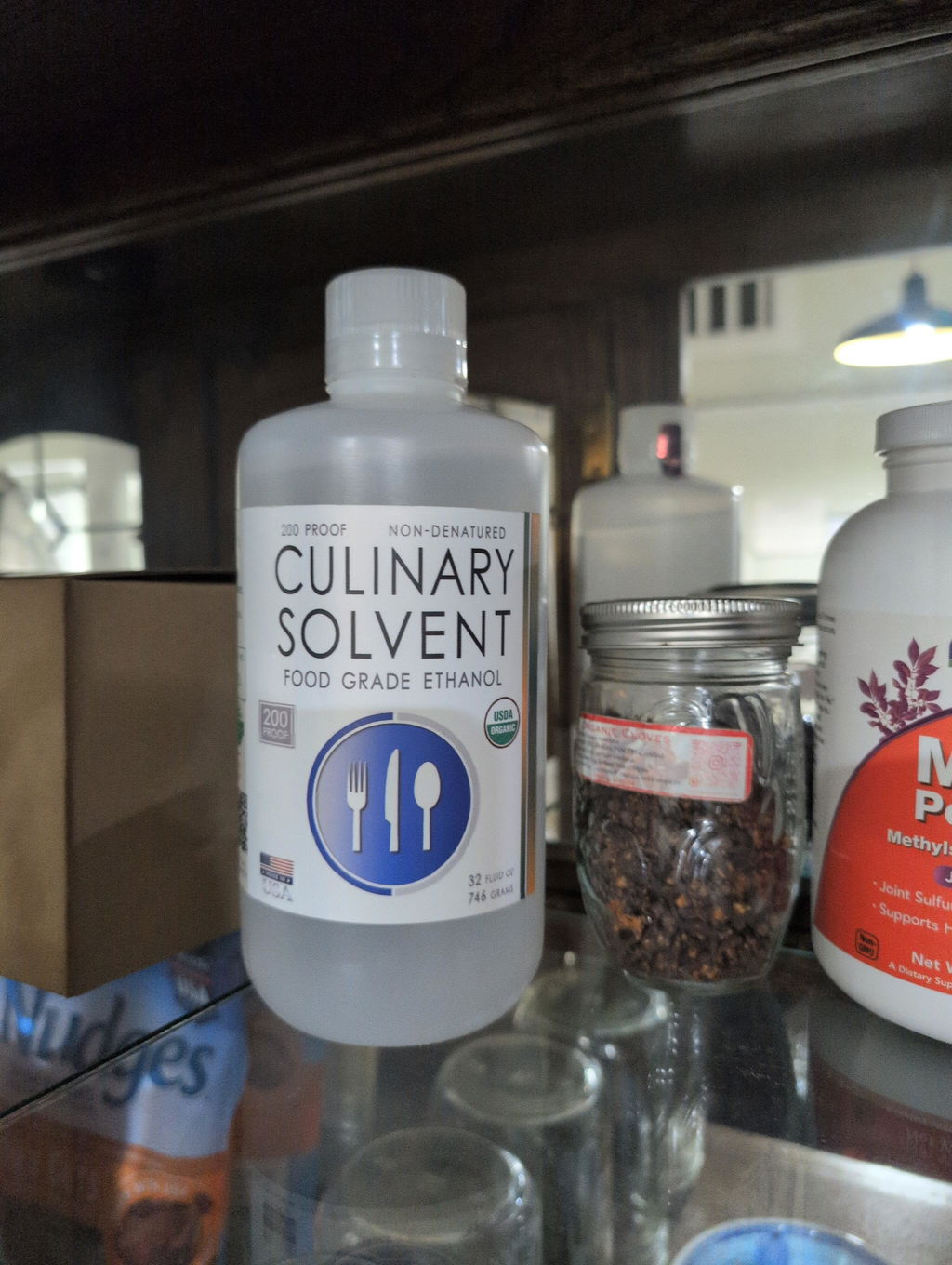
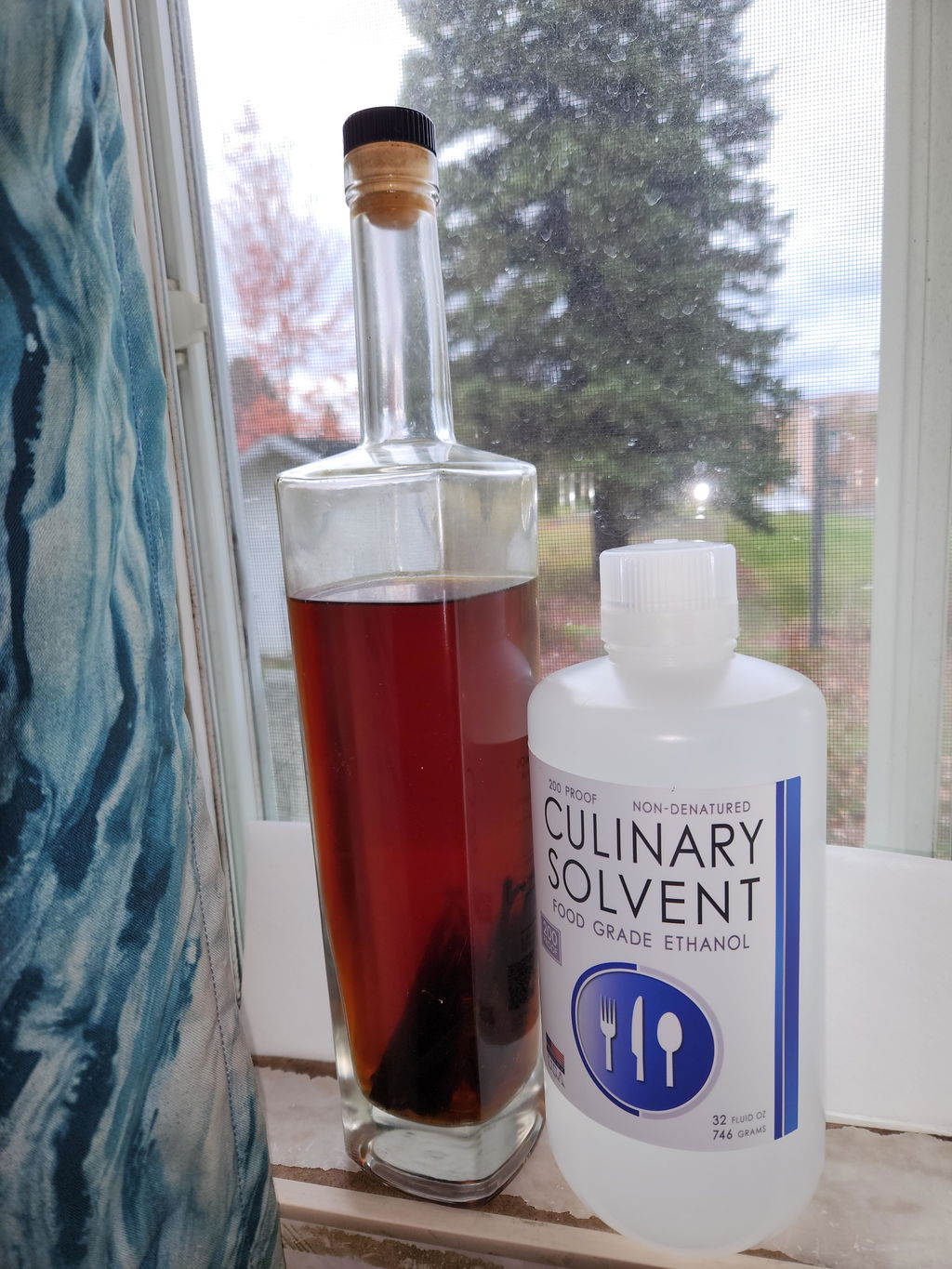
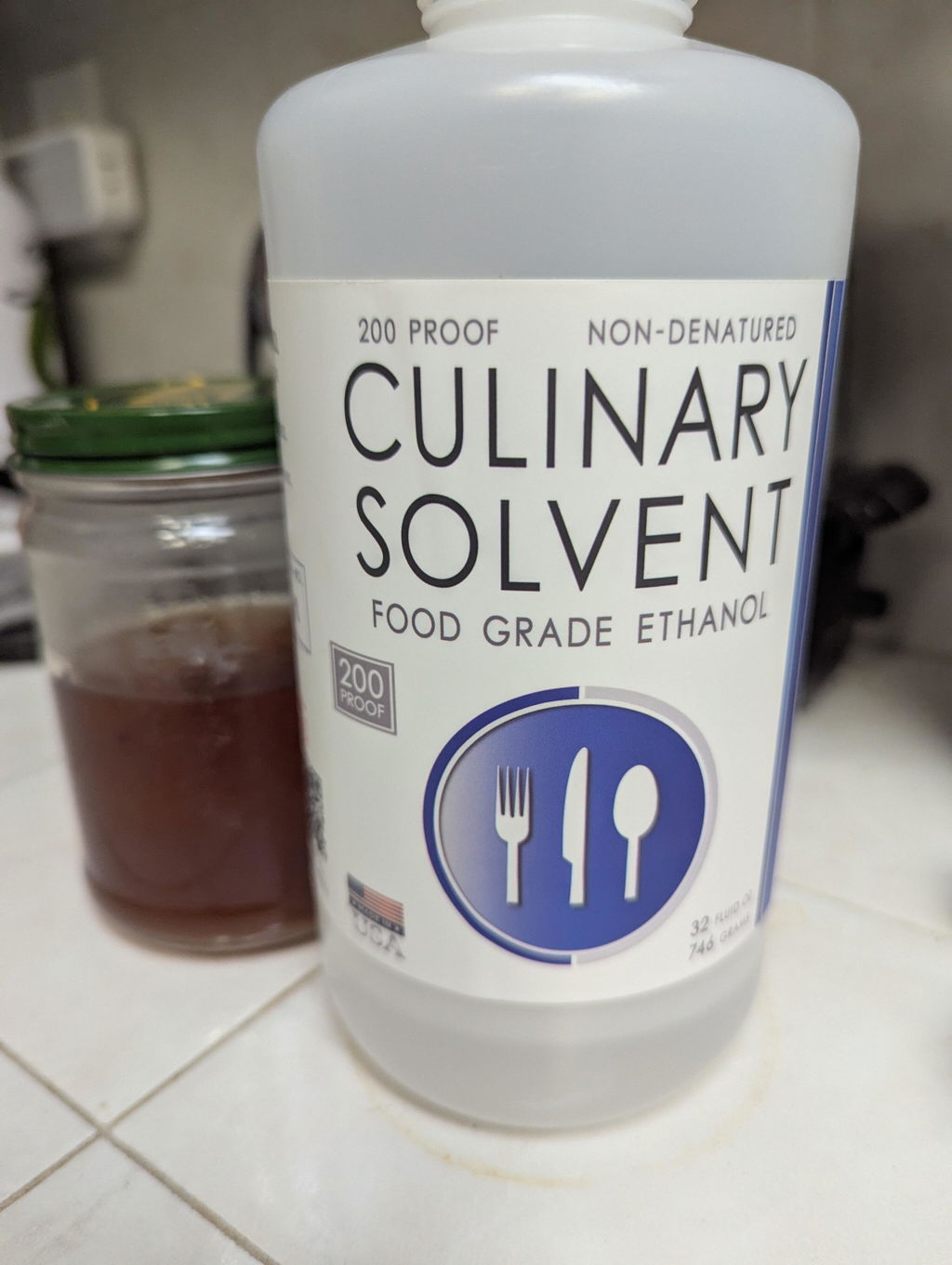
That answer matters because shellac is only as predictable as the liquid carrying it. Once the flake has been chosen for color and wax status, the next variable is solvent purity. That is exactly why shellac is best mixed with pure 200 Proof Food Grade Ethanol when quality outcomes matter. It gives a cleaner, more controlled starting point for evaluating the shellac itself.
This guide pairs naturally with two follow-up resources:
- Best Alcohol for Shellac, French Polishing, and Spirit Varnish
- Shellac Flake Ratio and Dilution Guide
Those two pieces complete the picture. First choose the right shellac flake. Then mix it correctly.
Final Thought
Choosing shellac flakes does not have to feel mysterious.
There are really three decisions being made.
First, how much color is wanted? Second, is waxed or dewaxed shellac needed? Third, how strong should the shellac be mixed?
Once those questions are separated, shellac becomes much easier to buy with confidence.
And one final point is worth remembering because it changes how everything that follows should be judged. Do not judge shellac by the dry flakes alone. Judge it in solution, then judge it on wood, and judge it again only after the full finish has been built.