
Homemade St. John’s Wort Tincture and Extract Recipe using Food Grade Ethanol

St. John’s Wort tincture is a practical project for herbalists and apothecaries, hands-on DIY enthusiasts, and readers interested in traditional flowering herbs. Because St. John’s Wort is typically prepared from the flowering tops and leafy aerial parts, plant quality, freshness, and proof selection all affect the final result. This guide walks through how to identify quality St. John’s Wort, prepare it correctly, and make a clean homemade St. John’s Wort tincture using USDA Certified Organic 190 Proof Food Grade Ethanol.
In This Guide:
- What is St. John’s Wort?
- Why Make a St. John’s Wort Tincture?
- Where Does St. John’s Wort Grow?
- Sourcing and Selecting Quality St. John’s Wort
- Preparing St. John’s Wort for Tincture
- Why 190 Proof Works Well for St. John’s Wort Tincture
- Recipe: Homemade St. John’s Wort Tincture
- Best Practices for Storing Your St. John’s Wort Tincture
- Final Thoughts on Crafting a St. John’s Wort Tincture
What is St. John’s Wort?
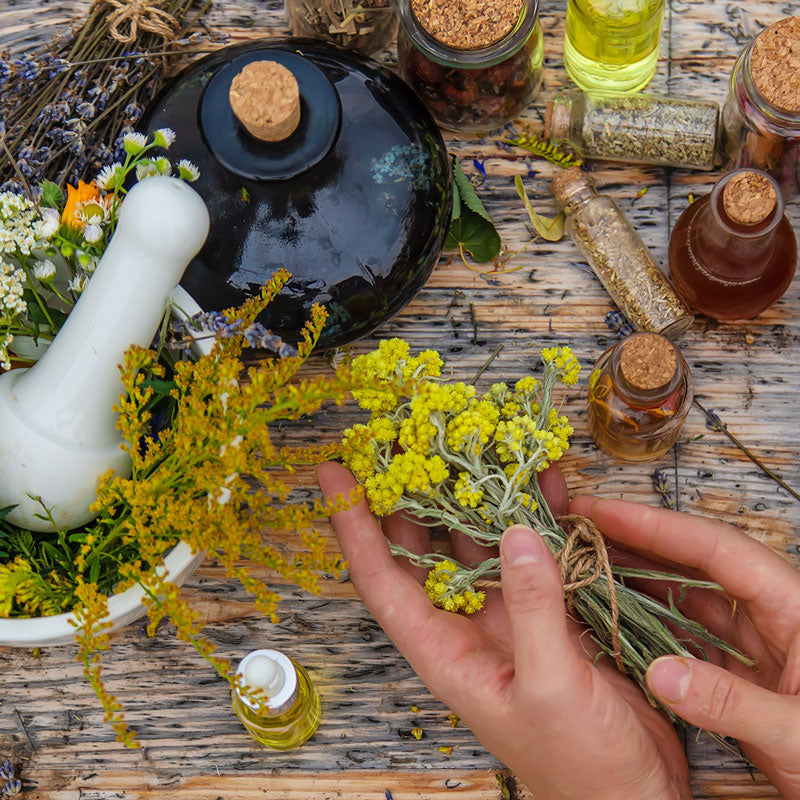
St. John’s Wort (Hypericum perforatum) is a perennial herb recognized for its bright yellow flowers and distinctive leaves with tiny translucent perforations. Native to Europe and now widely naturalized across North America, it thrives in sunny meadows, grasslands, and roadsides. In tincture-making, the flowering tops and leafy aerial parts are the most relevant material. St. John’s Wort also has a long connection to traditional botanical preparations, which helps explain why it remains a familiar ingredient in modern herbal work.
Why Make a St. John’s Wort Tincture?
A St. John’s Wort tincture is a practical way to preserve the plant in a concentrated liquid form that is easier to store, measure, and use consistently than fresh plant material alone. Because it is a flowering herb rather than a dense root or woody mushroom, freshness and handling matter. A well-made tincture fits naturally into herbal projects, apothecary work, and botanical crafting where consistency and shelf stability are important.
Where Does St. John’s Wort Grow?
St. John’s Wort grows abundantly in sunny, well-drained environments and is commonly found in California, Oregon, Montana, North Carolina, and Pennsylvania. It tends to thrive in open meadows, roadsides, grasslands, and other bright areas with relatively dry soil. If foraging, choose clean areas away from roadside spray, industrial runoff, and treated landscapes. Since the flowering tops are the most useful part for tincture-making, harvest timing matters. Healthy material collected during active bloom is usually the best fit.

Sourcing and Selecting Quality St. John’s Wort
For the best tincture results, source organic fresh or dried St. John’s Wort flowers and leaves from reputable herbal suppliers, farmers’ markets, cultivated gardens, or responsible foraging locations. Look for bright yellow flowers, green leaves with visible perforations, and a fresh herbal aroma. Avoid wilted, discolored, stale, or overly dry material. Since this is a leafy flowering herb, visual quality and freshness make a noticeable difference in the final tincture. Quality in = Quality out.
Preparing St. John’s Wort for Tincture
Ensure the flowers and leaves are clean and free from debris before they go into the jar. If using fresh material, allow any surface moisture to dry off first. Lightly chop or crush the plant material to increase surface area without turning it into fine powder. Because St. John’s Wort is made from aerial parts rather than thick roots or bark, a coarse cut is usually enough to help the alcohol move through the plant matter effectively.
Why 190 Proof Works Well for St. John’s Wort Tincture
St. John’s Wort works well at 190 proof because flowering herbs benefit from a strong solvent that can move quickly through the leaves and blossoms while producing a concentrated tincture. Using USDA Certified Organic 190 Proof Food Grade Ethanol keeps the recipe directly executable and matches the current product-linking rule for recipes below 200 proof.

Recipe: Homemade St. John’s Wort Tincture
Use 1 oz dried St. John’s Wort flowers and leaves or about 2 oz fresh chopped St. John’s Wort with 8 fl oz of USDA Certified Organic 190 Proof Food Grade Ethanol. Add the prepared plant material to a clean, dry glass jar. Pour the ethanol over the herb until fully submerged, seal the jar tightly, and shake gently. Store the jar in a cool place out of direct sunlight for 2 to 4 weeks, shaking every few days. When the tincture reaches the level you want, you may strain it or leave the marc in the menstrum if preferred. Transfer the finished tincture into amber or UV-protective glass for longer-term storage. This kind of herb tincture can also be a useful reference point for readers exploring other projects in the Recipe Directory.
Best Practices for Storing Your St. John’s Wort Tincture
The St. John’s Wort marc may remain in the menstrum, and straining is optional once the tincture reaches the level you want. Clear glass is acceptable during maceration as long as it is kept out of direct sunlight. For longer-term storage, transfer the finished tincture to amber or UV-protective glass and keep it away from sustained heat. Proper storage helps maintain consistency and overall extract quality. For more detailed handling guidance, see Storage tips.
Final Thoughts on Crafting a St. John’s Wort Tincture
Making a St. John’s Wort tincture at home is a practical way to preserve a traditional flowering herb in a concentrated, shelf-stable form. Because St. John’s Wort is made from delicate aerial parts, plant quality, preparation, and solvent choice all matter. Using USDA Certified Organic 190 Proof Food Grade Ethanol gives you the right product fit for this recipe and a clean solvent foundation for a more consistent extraction. When you are ready to begin, shop here.

Disclaimer: This content is for informational and educational purposes only. Consult a professional before using tinctures for any specific application. Individual reactions may vary.