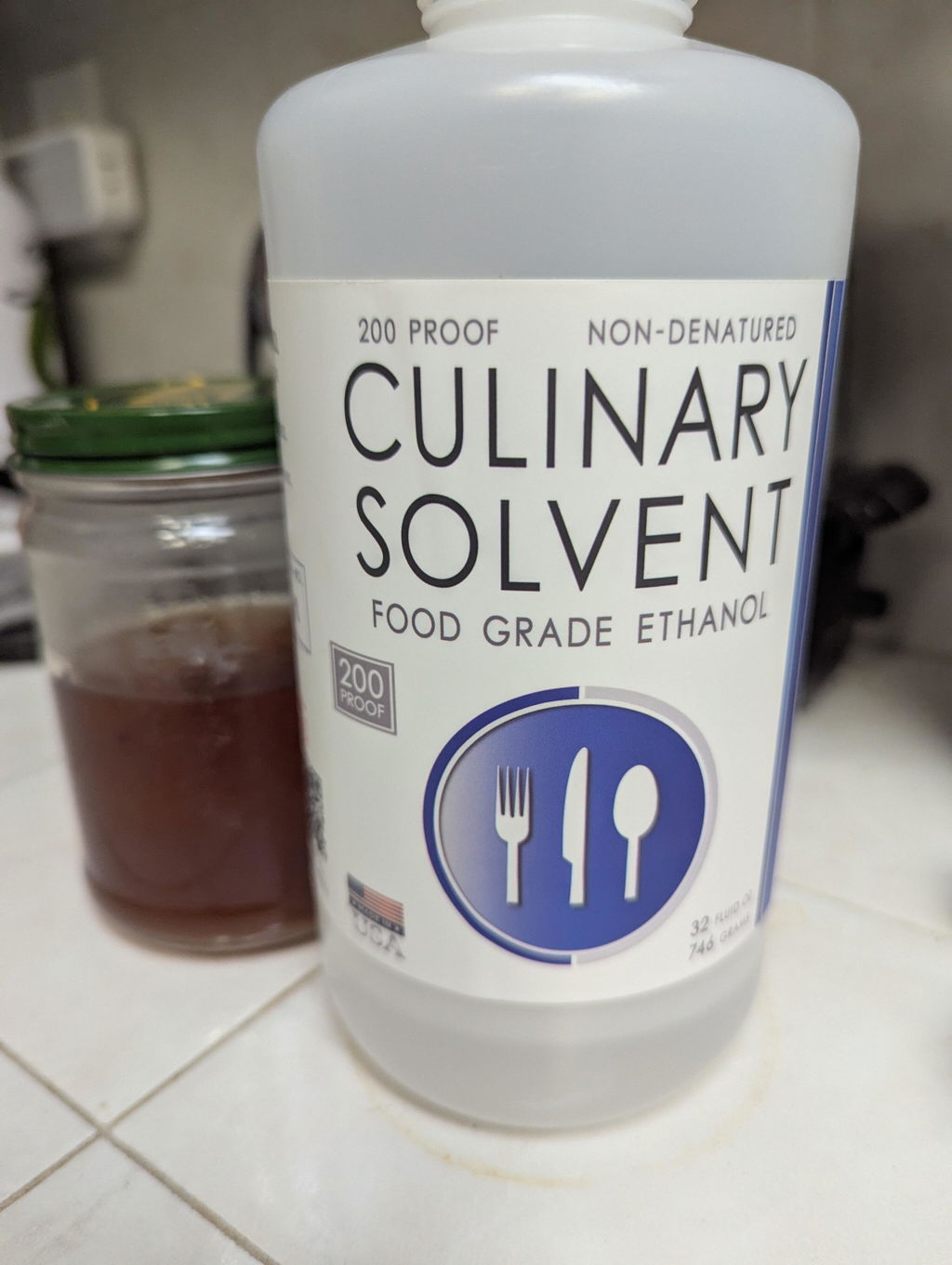

Homemade Garlic Tincture and Extract Recipe using Food Grade Ethanol

Garlic is one of the most familiar ingredients in both kitchen and botanical traditions. This guide focuses on a homemade garlic tincture made with fresh garlic bulb and 200 Proof Food Grade Ethanol diluted to a more targeted working strength for garlic. When prepared carefully, garlic makes a practical small-batch extract for culinary projects, botanical blends, and other hands-on preparations.
What Is Garlic?
Garlic, Allium sativum, is a bulb-forming plant in the Amaryllidaceae family and is closely related to onions, leeks, and shallots. It is valued for its unmistakable aroma, strong flavor, and long history of use in food preparation and traditional plant-based practices. For tincture-making, the bulb is the main part of interest, especially when fresh cloves are used soon after peeling and chopping.
Why Make a Garlic Tincture?
A tincture gives garlic a more stable liquid format than fresh cloves alone. Fresh garlic is highly aromatic but has a limited shelf life once broken down, so tincturing is a practical way to preserve it in a concentrated form for later use. Garlic tincture can also fit a wide range of projects, including work for chefs and bakers, broader botanical experimentation for herbalists, and small-batch formulation work for DIY enthusiasts.
Where Is Garlic Grown?
Garlic is cultivated widely across the United States in both home gardens and commercial growing regions. It grows best in well-drained soil with full sun and is commonly associated with places such as California, Oregon, New York, Pennsylvania, and Texas. Healthy bulbs usually come from dry curing, good airflow, and careful harvesting.

Sourcing and Selecting Quality Garlic
For the best tincture results, start with fresh garlic bulbs from reputable growers, farmers' markets, specialty grocers, or home gardens. Choose bulbs that feel firm, heavy for their size, and well wrapped in dry outer skin. Avoid garlic that feels soft, moldy, damaged, or heavily sprouted. Good raw material makes a noticeable difference in the final aroma and clarity of the finished tincture.
Preparing Garlic for Tincture
Peel the cloves and trim away any bruised or discolored sections. Finely chop, crush, or mash the garlic to increase surface area and help release its aromatic compounds. Let the prepared garlic sit briefly before adding the menstruum so the cut surfaces have time to fully open up. Because garlic is fresh and moisture-rich, preparation matters. Even chopping and prompt extraction help create a more consistent batch.
Choosing the Right Menstruum
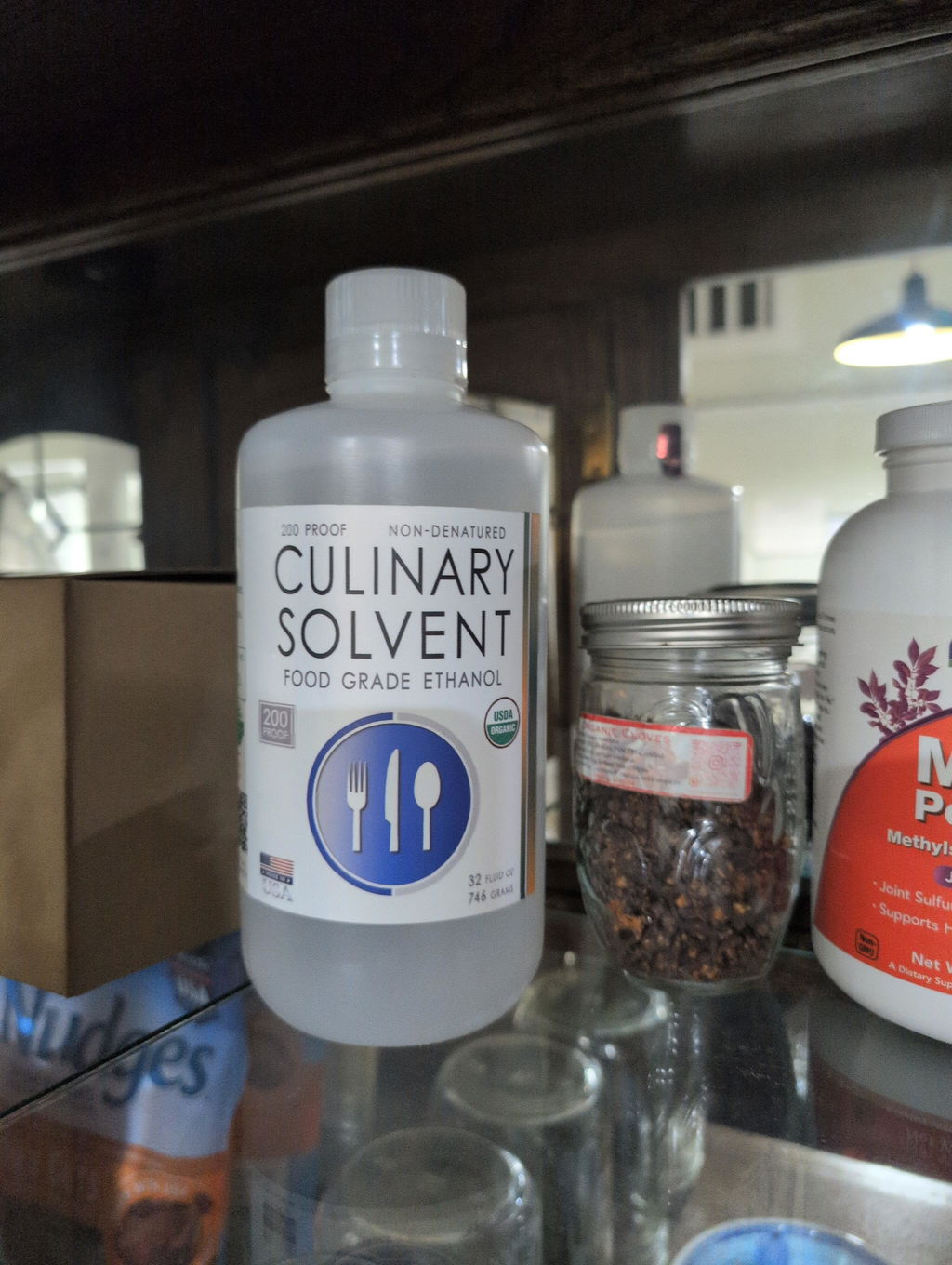
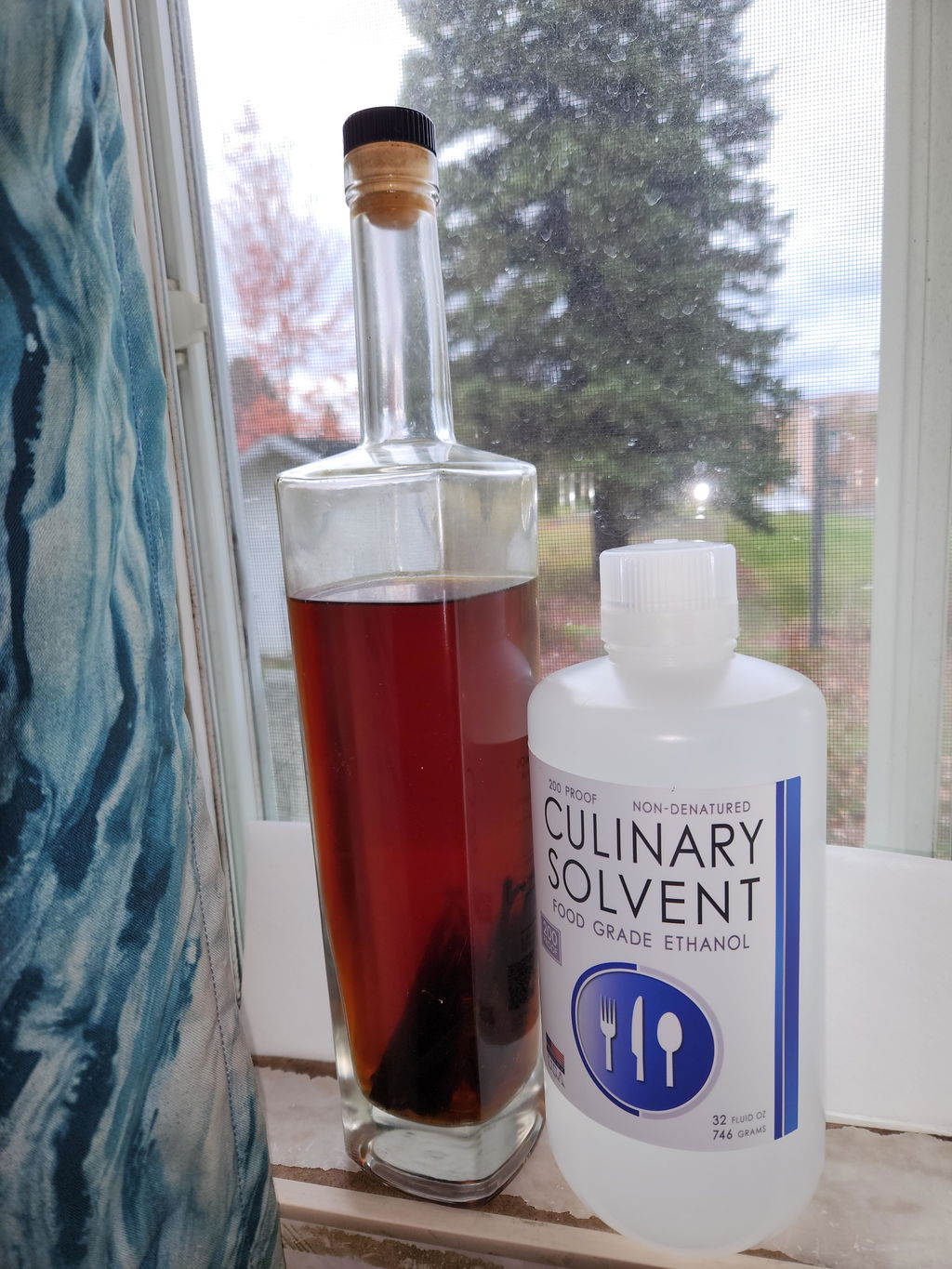
Garlic benefits from an ethanol-water balance rather than a one-size-fits-all straight high-proof approach. A mixed menstruum can support extraction of both water-soluble and alcohol-soluble compounds while still keeping ethanol high enough to preserve the finished tincture. Starting with 200 Proof Food Grade Ethanol gives you the control needed to blend down to a more targeted working strength before adding it to the garlic.
If you want help preparing other proof levels later, the dilution guide is a useful companion reference.
Why 50 Proof Works for Garlic
For this guide, the target menstruum is 25% ABV, or 50 proof. That lower proof gives garlic a more balanced extraction environment than using undiluted alcohol from start to finish. It introduces enough water to better support a broader extraction profile from fresh garlic while still retaining the preserving and solvent properties of ethanol. The goal is not maximum proof. The goal is a more ingredient-specific proof for garlic bulb.
How to Prepare 8 fl oz of 50 Proof Menstruum
To prepare 8 fl oz of 25% ABV menstruum from 200 proof ethanol:
Alcohol volume: 8 × 0.25 = 2 fl oz of 200 proof ethanol
Water volume: 8 - 2 = 6 fl oz of water
So your 8 fl oz menstruum is:
2 fl oz 200 Proof Food Grade Ethanol
6 fl oz water
This gives you a practical starting blend for fresh garlic extraction.
Recipe Execution
The recipe below is built around fresh garlic bulb. Once the cloves have been peeled, chopped, and briefly rested, place the prepared garlic into a clean glass jar and pour the prepared 50 proof menstruum over the bulb until it is fully submerged. Garlic is dense and aromatic, so keeping the pieces reasonably uniform helps the menstruum move through the jar more evenly. Check occasionally during maceration to make sure all material stays covered.
:recipekit:
Best Practices for Storing Your Garlic Tincture
Store your garlic tincture in amber or other dark glass away from sustained heat and direct sunlight. During maceration, clear glass is acceptable as long as the jar stays out of direct sun. Many makers leave the marc in the menstruum until they are ready to strain, and straining remains optional depending on the intended use and the clarity you want in the finished tincture. Once bottled for longer-term storage, keeping the tincture cool and dark helps maintain overall quality.
Ways to Use Garlic Tincture
Culinary Applications
Garlic tincture can be explored as a concentrated flavoring element in savory culinary projects, dressings, marinades, and other small-batch kitchen experiments. For broader solvent guidance tied to food preparation, continue exploring for chefs and bakers.
Botanical and DIY Uses
Garlic tincture can also be kept as a botanical component for herbal blends, handcrafted formulations, and other small-batch projects. It can fit comfortably into broader workflows for herbalists and into experimental formulation work for DIY enthusiasts.
Final Thoughts on Crafting a Garlic Tincture
Making a garlic tincture at home is a practical way to turn a familiar fresh bulb into a more stable, concentrated extract. Using 200 Proof Food Grade Ethanol to prepare a 50 proof menstruum creates a cleaner starting point for a more controlled and repeatable extraction process.
Start with the Right Alcohol for a Better Garlic Tincture
If you want better control over dilution, proof, and repeatable extraction, start with 200 Proof Food Grade Ethanol. It gives you a clean, flexible base for fresh garlic and future custom-strength formulations alike.

Disclaimer: This content is for informational and educational purposes only. It is not medical advice and does not make any claim to diagnose, treat, cure, or prevent disease. Consult a qualified professional before using tinctures for any specific application. Individual reactions may vary.