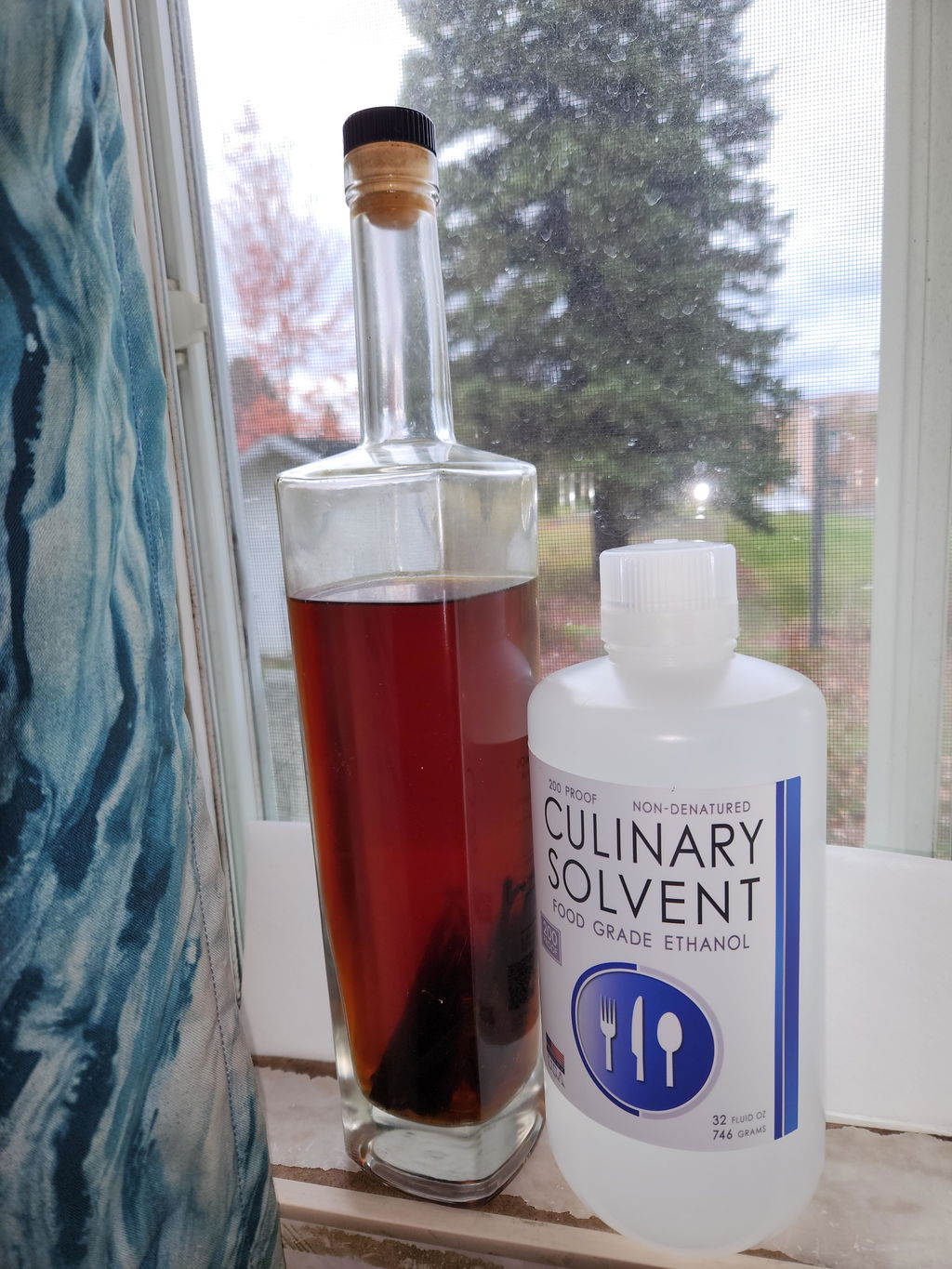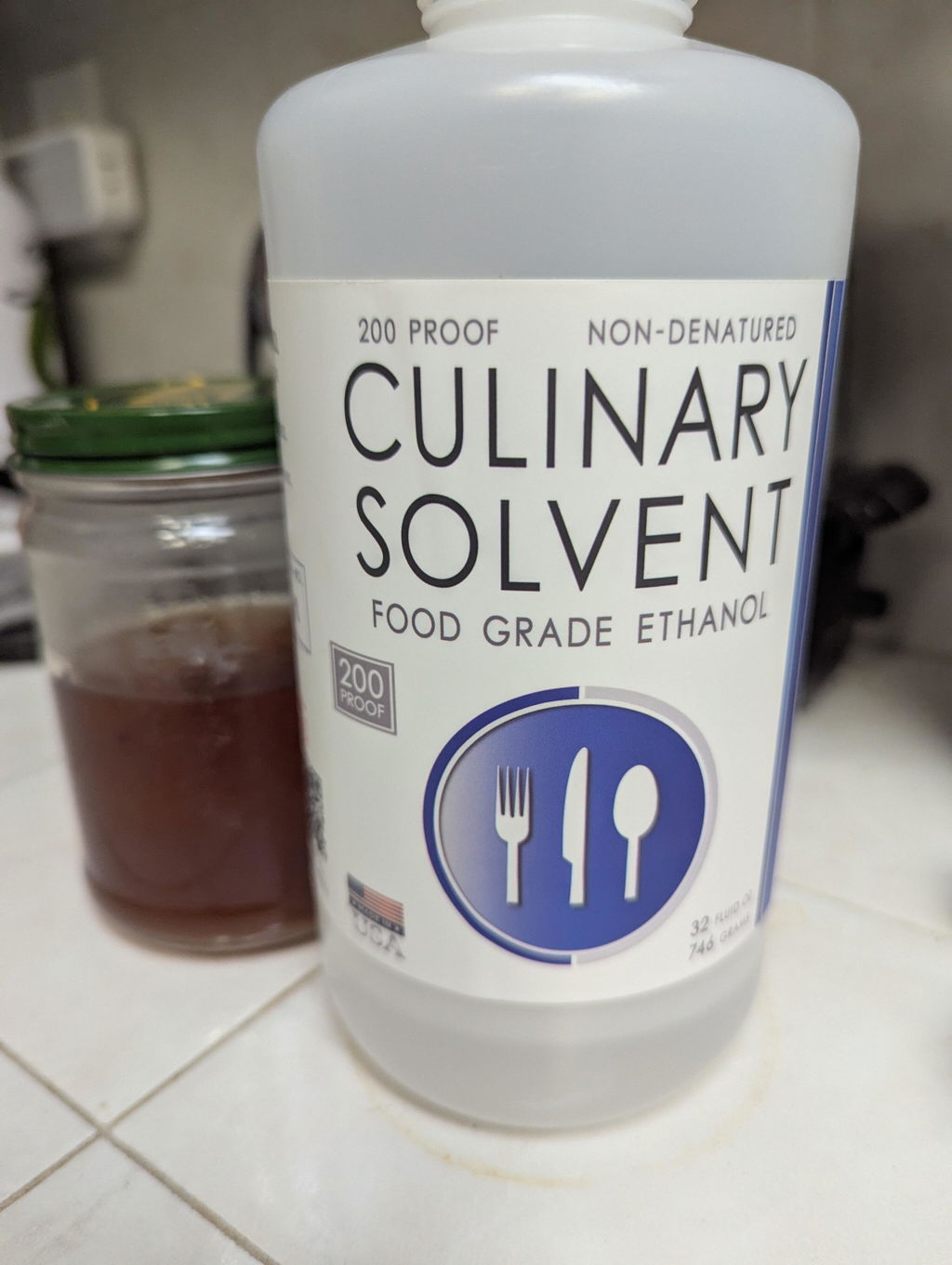

Homemade Organic Myrrh Tincture and Extract Recipe

Myrrh is a fragrant resin valued for its warm, earthy, balsamic aroma. A homemade myrrh tincture or extract turns the resin into a concentrated liquid preparation that can be used in natural fragrance projects, incense-inspired blends, handmade self-care formulas, and other DIY botanical preparations.
This guide explains how to make a myrrh tincture using myrrh resin and 200 Proof Food Grade Ethanol. Unlike leafy herbs that often benefit from a diluted ethanol-water menstruum, myrrh is a resin. For this ingredient, 200 proof ethanol is used neat because the goal is to extract resinous and aromatic compounds rather than water-friendly plant constituents.
What is Myrrh?
Myrrh is an aromatic resin obtained from trees in the Commiphora genus, with Commiphora myrrha commonly associated with true myrrh resin. The resin forms when the tree releases a sticky exudate that hardens into reddish-brown or amber pieces.
For tincture making, the relevant ingredient is the resin itself. Myrrh is different from leaves, flowers, roots, and barks because it contains resinous material, volatile aromatic compounds, and gum-like components. This is why myrrh behaves differently in alcohol than many dried herbs. It may soften, partially dissolve, darken the menstruum, and leave sediment or resin particles behind after straining.
Why Make Myrrh Tincture or Extract?
A myrrh tincture gives you a liquid way to work with a hard, sticky resin. Instead of grinding or heating the resin each time it is needed, the tincture keeps myrrh’s warm aromatic character in a form that is easier to measure, blend, and store.
Myrrh has a long history in incense, perfumery, ceremonial preparations, and traditional aromatic use. This history is useful context, but it should not be treated as a medical claim. This recipe is written for educational, aromatic, and botanical preparation purposes only.
For herbalists, apothecaries, perfumers, and DIY makers, myrrh is a useful example of why ingredient type matters. A resin extraction is not handled the same way as a leafy herb tincture. Myrrh needs a strong alcohol solvent that can work directly on resinous material.
Where Does Myrrh Come From?
Myrrh is traditionally associated with dry regions of northeastern Africa, the Arabian Peninsula, and nearby areas where Commiphora trees grow. The resin has been traded for centuries and appears in ancient aromatic, ceremonial, and perfumery traditions.
When buying myrrh for extraction, correct sourcing matters. Look for resin sold by a reputable herb, incense, apothecary, or natural fragrance supplier. The supplier should identify the material as myrrh resin and, ideally, provide a botanical name such as Commiphora myrrha.

Sourcing and Selecting Quality Myrrh
Choose myrrh resin that is clean, aromatic, and free from visible dirt, mold, or excessive foreign material. Good myrrh often appears as irregular resin pieces that range from amber to reddish brown. The aroma should be warm, earthy, balsamic, and resinous.
Avoid resin that smells musty, smoky in an unpleasant way, rancid, or flat. Some variation in color, shape, and texture is normal because myrrh is a natural resin. Quality is better judged by supplier reputation, aroma, cleanliness, and correct identification.
For more information about working with this type of ingredient, see the sap and resin ingredients guide.
Preparing Myrrh for Extraction
Myrrh resin should be broken into smaller pieces before extraction. Smaller pieces expose more surface area to the ethanol and help the extraction move more evenly. A mortar and pestle, sturdy spoon, rolling pin, or carefully used kitchen mallet can help break larger pieces apart.
Myrrh can be sticky, brittle, or gummy depending on the batch and storage conditions. Work with small amounts at a time and avoid turning the resin into a fine powder unless you are prepared for slower straining and more sediment. Small chips or coarse pieces are usually easier to handle than powder.
Choosing the Right Menstruum
The menstruum is the liquid used to extract compounds from the ingredient. For myrrh, the recommended menstruum is 200 proof food grade ethanol used without added water.
This is different from many herbal tinctures. Leaves, flowers, and roots often benefit from an ethanol-water blend because they contain a mix of alcohol-soluble and water-soluble compounds. Myrrh is resin-heavy, so the extraction should focus on ethanol-soluble resinous and aromatic components.
Because myrrh also contains gum-like material, not everything in the resin will dissolve cleanly into alcohol. Some residue, cloudiness, or sediment is normal. The goal is not to dissolve every visible particle. The goal is to create a resin-focused alcohol extract with the desired aroma, color, and character.
Why 200 Proof Works for Myrrh
200 Proof Food Grade Ethanol works well for myrrh because it contains no added water and is well suited to resin extraction. Myrrh’s resinous and aromatic fraction is the main target, so a high-proof solvent is preferred.
A lower-proof ethanol-water blend can be useful for many botanicals, but added water is not the main advantage when extracting myrrh resin. Water can make the menstruum less focused on resinous compounds and may encourage more gum-like material to remain suspended. Using 200 proof ethanol keeps the recipe centered on the resin and aroma of the myrrh.
Recommended Ingredient-to-Menstruum Ratio
The recommended myrrh tincture ratio is 1:5. That means 1 part myrrh resin by weight to 5 parts finished menstruum by volume. For an 8 fl oz batch, use 1.6 oz myrrh resin by weight and 8 fl oz 200 proof food grade ethanol.
| Ingredient State | Plant Part | Ratio | Amount for 8 fl oz Menstruum | Target ABV |
|---|---|---|---|---|
| Resin | Myrrh resin | 1:5 | 1.6 oz myrrh resin by weight | 100% ABV, 200 proof |
The ratio applies to finished menstruum volume, not ethanol weight. For this recipe, the finished menstruum is simply 8 fl oz of 200 proof food grade ethanol because no water is added.
How to Prepare 8 fl oz of 200 Proof Menstruum
No dilution is needed for this myrrh tincture recipe. Measure 8 fl oz of 200 proof food grade ethanol. Do not add water. The target menstruum is 100% ABV, also called 200 proof.
| Final Menstruum Volume | Target Strength | 200 Proof Food Grade Ethanol | Water |
|---|---|---|---|
| 8 fl oz | 200 proof, 100% ABV | 8 fl oz | 0 fl oz |
Recipe Execution
Ingredients
- 1.6 oz myrrh resin by weight, broken into small coarse pieces
- 8 fl oz 200 Proof Food Grade Ethanol
Equipment
- Clean glass jar with a tight-fitting lid
- Kitchen scale
- Mortar and pestle, rolling pin, spoon, or other tool for breaking resin
- Fine mesh strainer, reusable filter bag, or coffee filter
- Amber glass bottle for finished storage
Steps
- Weigh 1.6 oz of myrrh resin.
- Break the resin into small coarse pieces to increase surface area.
- Place the prepared myrrh resin into a clean, dry glass jar.
- Measure 8 fl oz of 200 proof food grade ethanol.
- Pour the ethanol over the resin until the resin is fully covered.
- Seal the jar tightly and shake gently.
- Store the jar in a cool, dark place during maceration.
- Shake the jar periodically to keep the resin in contact with the ethanol.
- Allow the tincture to macerate for 4 to 6 weeks, checking the aroma and color as it develops.
- Strain through a fine mesh strainer, reusable filter bag, or coffee filter. Expect some resin residue or sediment.
- Transfer the finished tincture to amber glass and label it with the ingredient, ratio, proof, and date.
:recipekit:
Storage Best Practices
Store finished myrrh tincture in amber or other UV-protective glass, away from heat and direct sunlight. A cool cabinet or pantry is a good choice. Keep the bottle tightly sealed to reduce evaporation and limit air exposure.
Myrrh tincture may developure in amber or other UV-protective glass, away from heat and direct sunlight. A cool cabinet or pantry is a good choice. Keep the bottle tightly sealed to reduce evaporation and limit air exposure.
Myrrh tincture sediment over time because resin extracts are not always perfectly clear. This is normal for resin-based preparations. Let the bottle sit upright and decant carefully if you want to leave heavier particles behind.
For more information about safe handling and storage, see these Storage tips for food grade ethanol.
Final Thoughts
Myrrh is a strong example of why extraction method should match the ingredient. A leafy herb may call for a diluted ethanol-water menstruum, but myrrh is a resin. For this resin-focused tincture, 200 proof food grade ethanol used neat is the best fit because it keeps the extraction centered on aromatic and resinous compounds.
Use clean, aromatic myrrh resin, break it into small coarse pieces, and follow a 1:5 resin-to-menstruum ratio. With patient maceration and careful straining, homemade myrrh tincture can become a useful ingredient for aromatic, botanical, natural fragrance, and DIY preparation projects.
Disclaimer: This content is for informational and educational purposes only. No medical claims are made regarding myrrh tincture or myrrh extract. Consult a qualified professional before using tinctures for wellness purposes, topical applications, or personal care formulas, and be aware that individual reactions, sensitivities, and allergies may vary.
Shop Food Grade Ethanol for Myrrh Tincture
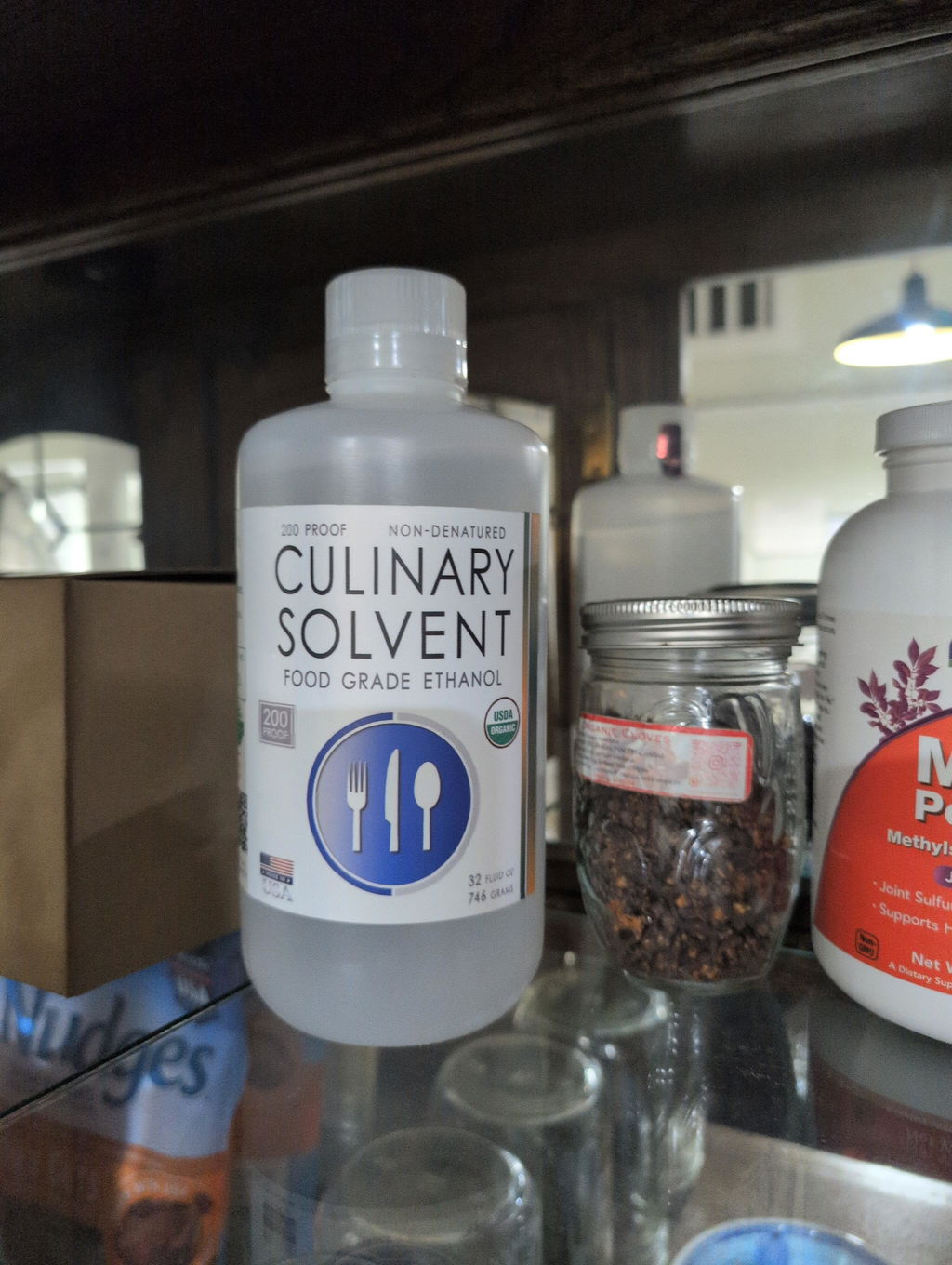
Ready to make homemade myrrh tincture? Start with 200 Proof Food Grade Ethanol from Culinary Solvent for a clean, high-proof solvent suited to resin extraction.