
How to Preserve Birch Sap with 200 Proof Food Grade Ethanol

Birch sap is one of the first seasonal ingredients gathered in early spring, flowing from birch trees for a short window before the leaves open. Traditionally enjoyed fresh as a lightly sweet spring tonic, birch sap is valued for its connection to seasonal renewal, northern forests, and old-world foraging practices. Because fresh sap is mostly water and naturally perishable, preserving it with 200 Proof Food Grade Ethanol offers a practical way to capture the season while giving makers control over the final alcohol percentage.
What Is Birch Sap?
Birch sap is the clear liquid that rises through birch trees in early spring as the tree wakes from winter dormancy. It is gathered by tapping the tree in a way similar to maple sap collection, though birch sap is usually lighter in flavor, lower in sugar, and more delicate than maple sap.
Fresh birch sap is mostly water, with small amounts of natural sugars, minerals, organic acids, amino acids, and other trace compounds. Its flavor is subtle, often described as clean, slightly sweet, and faintly woodsy. Because it contains water and natural sugars, it should be treated as a fresh food ingredient rather than a shelf-stable botanical.
Traditional Use of Birch Sap
Birch sap has a long history of seasonal use in northern and eastern Europe, Russia, Scandinavia, and other regions where birch trees are common. It has traditionally been consumed fresh in spring, fermented into beverages, boiled into syrup, or used as part of seasonal folk practices associated with renewal after winter.
Many traditional references describe birch sap as a spring tonic. In customer-facing language, it is best to present this as historical and cultural context rather than as a medical claim. Birch sap is an interesting seasonal ingredient, but it should not be marketed as a treatment for disease or as a guaranteed source of health benefits.
It is also worth separating birch sap from other birch preparations. Birch leaves, buds, and bark each have their own history of use and their own chemistry. Sap is different because it is already a water-based liquid gathered from the tree. That difference matters when deciding whether to make a tincture, extract, syrup, or preserved seasonal preparation.
Why Preserve Birch Sap with 200 Proof Ethanol?
Birch sap is not extracted in quite the same way as dried herbs, roots, resins, or spices. The tree has already done the work of moving water-soluble material into the sap. For that reason, pouring alcohol into birch sap is less about pulling compounds out of plant material and more about preserving a fresh seasonal liquid.
This is where 200 proof food grade ethanol becomes useful. Starting with pure ethanol lets the maker control the final alcohol percentage while keeping birch sap as the water portion of the recipe. Instead of diluting ethanol with plain water, the maker can dilute it with fresh, properly handled birch sap.
That makes 200 proof ethanol especially useful for customers who want to:
- Preserve a short-season spring ingredient.
- Create a birch sap extract base for later blending.
- Use birch sap as the water portion of a hydroalcoholic extract.
- Make a seasonal preparation with a chosen final proof.
- Experiment with birch sap alongside other spring botanicals.
For customers who prefer certified organic inputs, USDA Certified Organic Food Grade Ethanol can also be used in the same style of recipe.
Before You Begin: Fresh Sap Handling
Fresh birch sap is perishable. Collect it only from properly identified birch trees, using clean food-safe collection equipment. Keep the sap cold after collection, strain out bark or debris, and use it promptly. Do not use sap that smells sour, appears cloudy, has visible contamination, or shows signs of fermentation unless you are intentionally following a controlled fermentation process.
Because birch sap contains natural sugars, it can ferment or spoil if left warm. Alcohol can help preserve the finished preparation, but it is not a magic fix for poor handling. Begin with fresh, clean sap and use clean jars, lids, funnels, and measuring tools.
People with birch pollen allergies or sensitivity to birch-related foods should use caution. Anyone with allergies, medical conditions, or medication concerns should consult a qualified professional before using birch preparations.
Recipe: Alcohol-Preserved Birch Sap Extract Base
Ingredients
- Fresh birch sap, strained and chilled
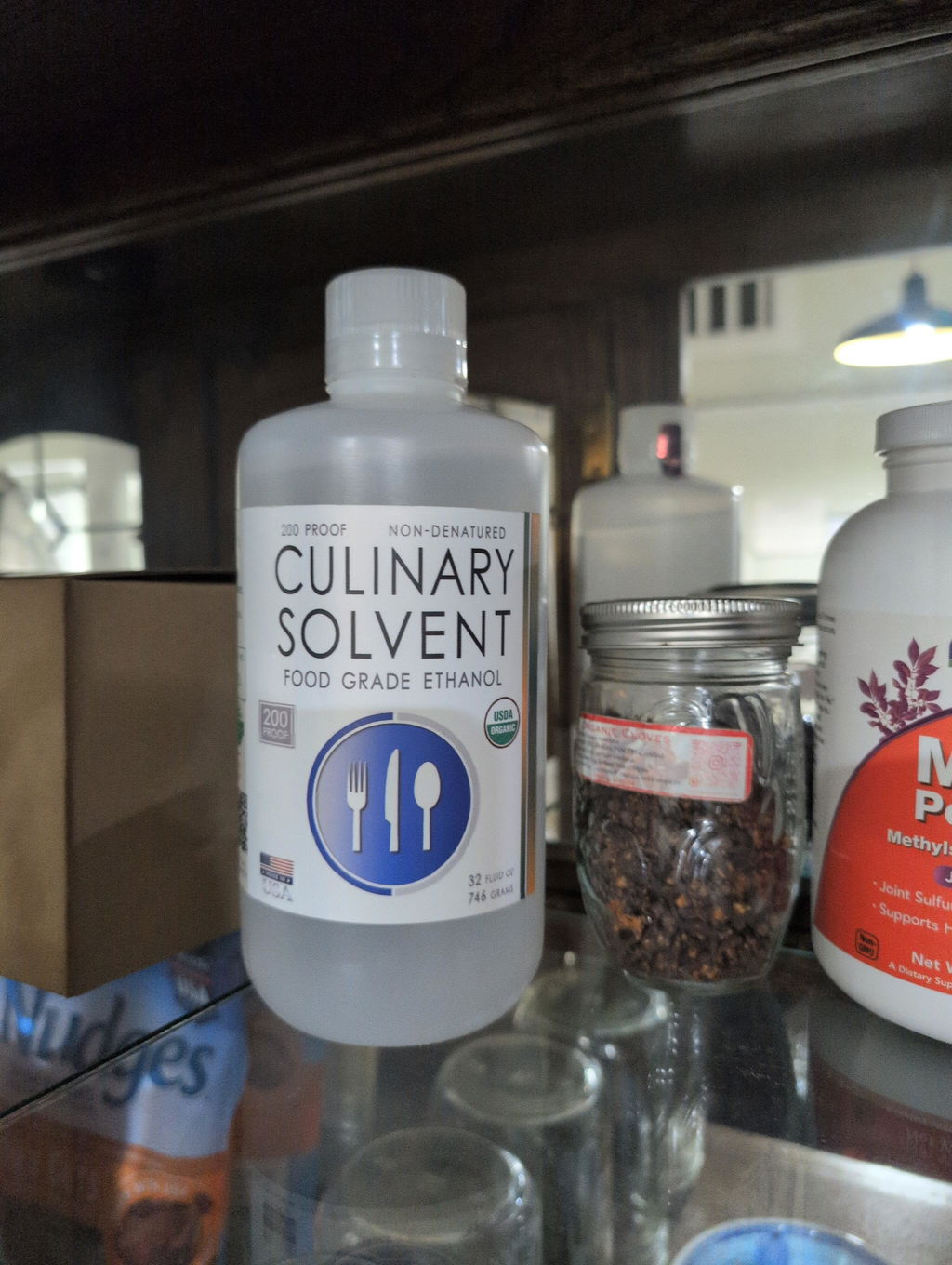
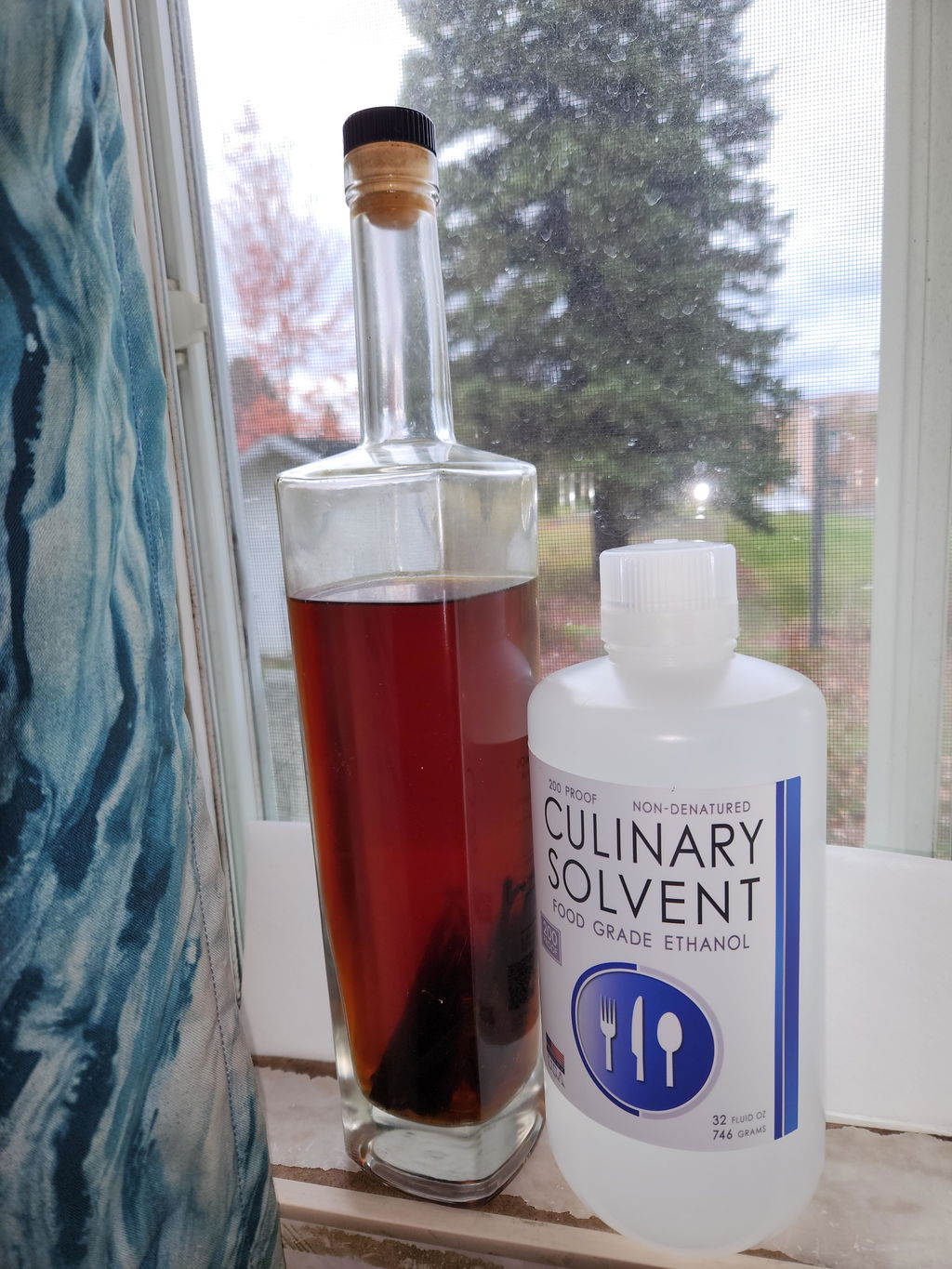
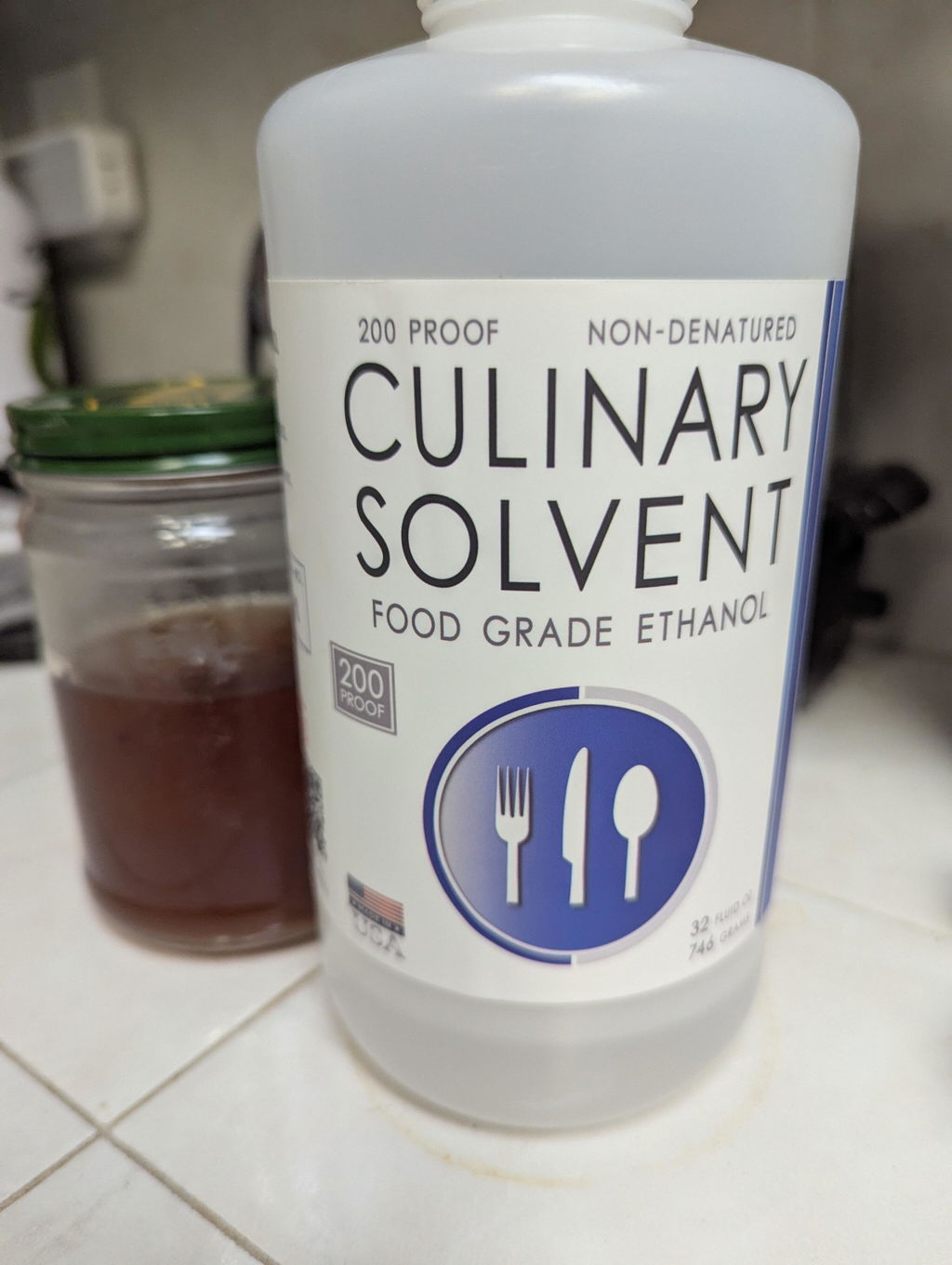
- 200 Proof Food Grade Ethanol
- Clean glass jar with tight-fitting lid
- Measuring cup or graduated cylinder
- Label and marker
Suggested 8 fl oz Batch Sizes
| Target Strength | 200 Proof Ethanol | Fresh Birch Sap | Best Use |
|---|---|---|---|
| 40% ABV / 80 Proof | 3.2 fl oz | 4.8 fl oz | General preserved birch sap extract base |
| 50% ABV / 100 Proof | 4 fl oz | 4 fl oz | Stronger preservation and use as an extraction menstruum |
| 60% ABV / 120 Proof | 4.8 fl oz | 3.2 fl oz | Higher-alcohol extract base for blending or extracting firmer botanicals |
For most home makers, 40% to 50% ABV is a reasonable starting range for an alcohol-preserved birch sap preparation. A higher alcohol percentage may be useful when the birch sap will also be used to extract additional botanicals.
Instructions
- Collect fresh birch sap using clean food-safe equipment.
- Strain the sap through a fine mesh strainer or clean filter to remove bark, insects, or other debris.
- Chill the sap until ready to use.
- Measure the desired amount of 200 proof ethanol into a clean glass jar.
- Add the measured birch sap to the ethanol.
- Seal the jar and gently invert several times to mix.
- Label the jar with the ingredient, date, final estimated ABV, and ratio used.
- Store in a cool, dark location. Refrigeration is recommended for best quality, especially for lower-proof preparations.
Note: Mixing ethanol and water-based ingredients can generate mild heat. Add slowly, use clean tools, and avoid open flames or ignition sources when working with high-proof alcohol.
Using Birch Sap as the Water Portion of an Extract
One of the best uses for preserved birch sap is as the water portion of a hydroalcoholic extract. Instead of thinking of birch sap as the main tinctured ingredient, think of it as a seasonal replacement for plain water when diluting 200 proof ethanol.
For example, a maker could prepare a 50% ABV birch sap menstruum by combining equal parts 200 proof ethanol and fresh birch sap. That finished liquid could then be used to extract compatible spring botanicals, such as properly identified birch leaf, birch buds, or other seasonal ingredients selected by the maker.
This approach gives the finished extract more seasonal character while still keeping the proof controlled. It also gives customers a practical reason to start with 200 proof ethanol: they can choose the final strength and decide exactly what liquid makes up the non-alcohol portion of the recipe.
Storage and Use
Store finished birch sap preparations in clean glass bottles or jars with tight-fitting lids. Keep them away from heat, sunlight, and open flame. Label each bottle clearly so the final ABV and preparation date are easy to find later.
Because fresh sap varies from tree to tree and season to season, every batch may be slightly different. Color, aroma, and flavor can change depending on collection timing, storage time, and final alcohol percentage. Discard any preparation that develops off odors, unexpected pressure, visible growth, or other signs of spoilage.
Alcohol-preserved birch sap can be used as a seasonal extract base, a blending ingredient, or a starting point for more advanced botanical preparations. It should be used thoughtfully and described honestly, especially when sharing or selling finished products.
Final Thoughts
Birch sap is a beautiful spring ingredient, but it is not the same as a dried herb waiting to be tinctured. Its value comes from freshness, seasonality, tradition, and its role as a naturally gathered tree sap. 200 proof food grade ethanol helps makers preserve that short seasonal window and create a controlled hydroalcoholic preparation using birch sap instead of plain water.
For customers interested in foraging, herbal preparations, seasonal craft, and botanical experimentation, this is a practical and creative use for 200 Proof Food Grade Ethanol. The best way to present it is not as a miracle remedy, but as a smart way to work with one of spring’s most fleeting ingredients.