
Tincture vs. Extract: What’s the Difference? | Culinary Solvent
Tincture vs. Extract: What’s the Difference?
If you want the short answer first, an extract usually emphasizes flavor, aroma, or ingredient capture, while a tincture usually emphasizes herbal tradition or herb-centered use. The alcohol process may look very similar in both cases, but the clearer term often depends on the reader’s goal and the finished preparation’s intended use.
This distinction matters because Culinary Solvent serves herbalists, chefs and bakers, perfumers, and DIY enthusiasts. Those readers may use very similar methods while expecting very different language. This page exists to clarify the overlap once, so individual recipes can stay focused on the actual ingredient and process.
Jump Navigation
- What an extract usually means
- What a tincture usually means
- Why the same ingredient can become either one
- Culinary uses vs. herbal uses
- Why Culinary Solvent sometimes uses one term and sometimes both
- How to choose the right term for your project
- Example intro language for ambiguous recipe pages
- One more important distinction
What an extract usually means
An extract usually refers to a preparation made by using a solvent to pull desirable compounds from an ingredient. In culinary settings, that often means flavor, aroma, color, or other useful characteristics that the maker wants to carry into a recipe or finished product.
When most readers see the word extract, they tend to think of:
- Flavor ingredients for cooking and baking
- Botanical ingredients for beverages, syrups, or bitters
- Aroma-focused ingredients for food or fragrance projects
- A broad, practical term that feels familiar outside of herbalism
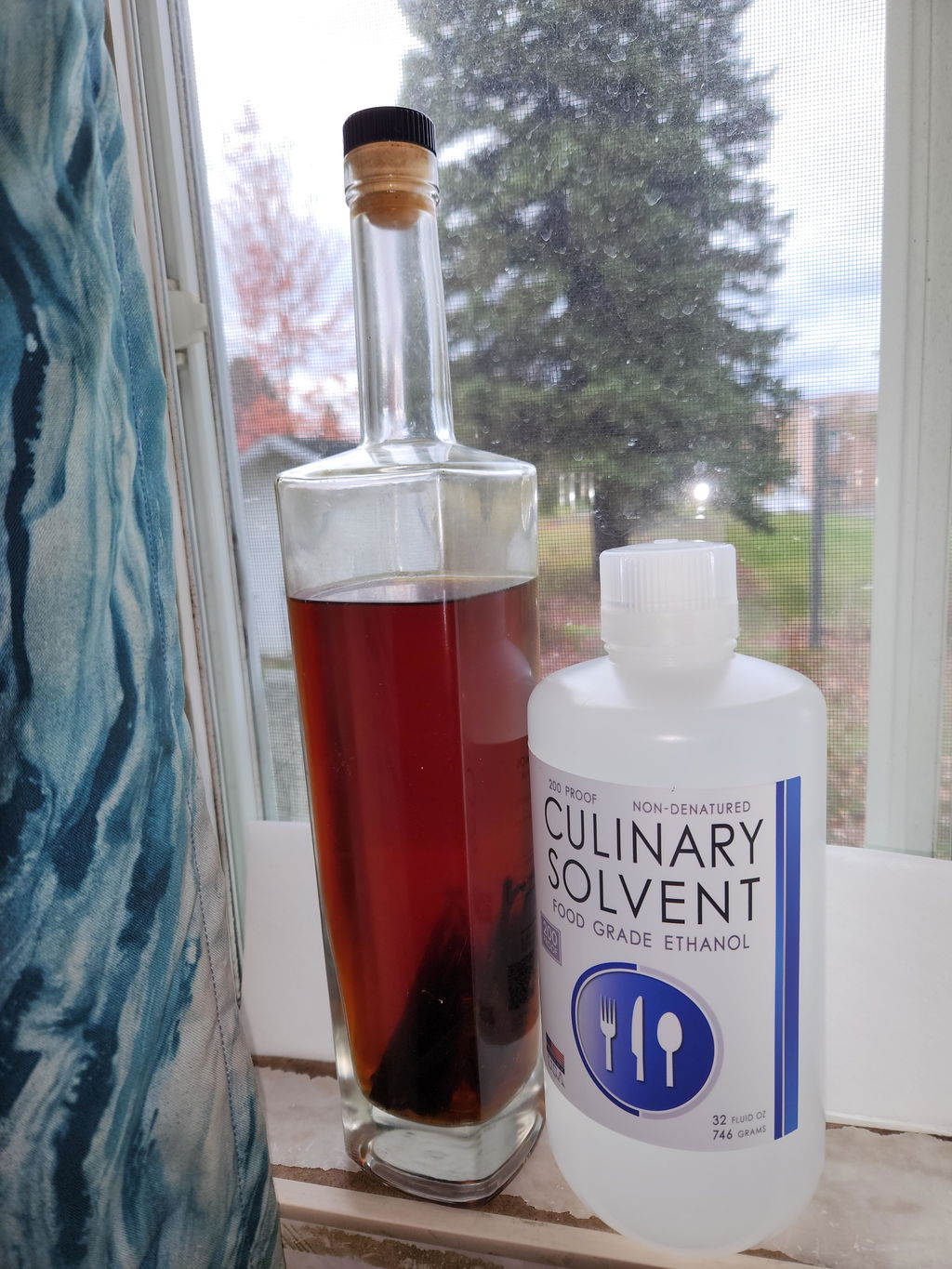
Vanilla is the classic example, but the same logic often applies to citrus peel, coffee, cacao nibs, mint, flowers, spices, and other ingredients used for flavor or aroma. If the reader is mainly thinking, “I want to make an ingredient I can use in a recipe,” extract is often the clearest word.
What a tincture usually means
A tincture is also an alcohol-based botanical preparation, but the word usually carries more herbal meaning. It tends to suggest a concentrated preparation centered on the identity of the herb itself rather than just its flavor. That is why the word feels more natural in herb-focused conversations, especially when the ingredient is being discussed through the lens of traditional botanical preparations.
When most readers see the word tincture, they tend to think of:
- Herbal preparations
- Botanical concentration
- Dropper-bottle style use
- A preparation chosen for the herb itself, not only for flavor
That does not mean tincture is always the “more correct” word. It means the word usually signals a more herb-centered frame of reference.
Why the same ingredient can become either one
This is where confusion usually starts. Some ingredients naturally live in more than one world. Rose, lavender, chamomile, peppermint, hibiscus, and lemon balm can all be discussed as culinary ingredients, aromatic botanicals, or herbs used in more traditional preparations. The extraction method may be very similar, but the way the finished liquid is understood can shift depending on the audience and intended use.
For example, a page about rose might honestly support both culinary and herbal readers. A page about lemon balm may lean more naturally toward herbal language, even though the preparation can still overlap with broader extract logic. The ingredient alone does not always settle the terminology question. Context does.
Culinary uses vs. herbal uses
When culinary framing is clearer
If the finished preparation is mainly being used to flavor cakes, frostings, beverages, sauces, syrups, chocolates, candies, or other recipes, extract is usually the better fit. It helps the reader think in terms of flavor, aroma, and kitchen use.
When herbal framing is clearer
If the finished preparation is mainly being discussed as a concentrated botanical preparation centered on the herb itself, tincture is usually the better fit. It helps the reader think in terms of herbal practice, botanical identity, and traditional usage context.
When both are reasonable
If an ingredient genuinely supports both search intents, using both terms can be helpful, especially in a title or introductory paragraph. After that, the page usually becomes easier to read if it settles into one dominant frame. That is one reason the Recipe Directory includes pages that sometimes use one term and sometimes use both.
| If the reader is thinking... | The clearer term is usually... |
|---|---|
| “I want to make a flavoring ingredient for recipes.” | Extract |
| “I want to make a concentrated herbal preparation.” | Tincture |
| “I am working with a flower, herb, or botanical that could be framed either way.” | Either, depending on framing |
Why Culinary Solvent sometimes uses one term and sometimes both
Culinary Solvent uses terminology intentionally. Some ingredients are primarily culinary. Some are primarily herbal. Some are genuinely multi-use and serve more than one audience at once. Because of that, there are times when a single term creates the cleanest page, and there are times when using both terms is the most honest and helpful choice.
Examples of that logic look like this:
- Vanilla extract feels natural because the reader usually expects a flavor ingredient.
- Lemon balm tincture feels natural because the reader often expects a herb-centered preparation.
- Rose tincture and extract can be the clearest choice when both culinary and herbal audiences are valid.
The goal is not to force every ingredient into one label. The goal is to choose the label that gives the reader the clearest signal first.
How to choose the right term for your project
If you are deciding what to call your own preparation, ask yourself a few simple questions:
- What is the finished liquid mainly for?
- Is the reader expecting a flavor ingredient, a botanical preparation, or both?
- Is the page being framed through a culinary lens, an herbal lens, an aromatic lens, or a mixed-use lens?
- Would using both terms genuinely improve clarity, or would it make the page feel less focused?
In many cases, this simple shortcut works well:
- Choose extract for culinary, flavor-focused, and recipe-centered framing.
- Choose tincture for herbal, botanical, and tradition-centered framing.
- Use both only when the overlap is real and useful.
Whatever term you choose, consistency matters. Once the title and introduction establish the frame, the rest of the page usually reads better if the terminology stays stable.
Example intro language for ambiguous recipe pages
When an ingredient could reasonably be framed either way, one short sentence near the top of the recipe can remove confusion without derailing the post. Examples include:
- “In this guide, we’re approaching rose primarily as a culinary extract.”
- “In this guide, we’re treating lemon balm as an herbal tincture.”
- “This preparation can function as either an extract or tincture depending on how you plan to use it.”
This kind of sentence does an important job. It helps the reader understand the page’s intended framing immediately, then allows the rest of the recipe to stay focused on ingredient quality, proof choice, preparation, storage, and use.
One more important distinction
“Extract” and “tincture” are not the same distinction as food grade versus denatured. Whatever terminology you use for the finished preparation, the solvent itself still matters. If the project is intended for culinary, botanical, aromatic, or body-adjacent use, many makers prefer pure, non-denatured ethanol so they can avoid unnecessary additives. If you want a clearer explanation of that difference, see Denatured Alcohol vs. Non-denatured Food Grade Ethanol.
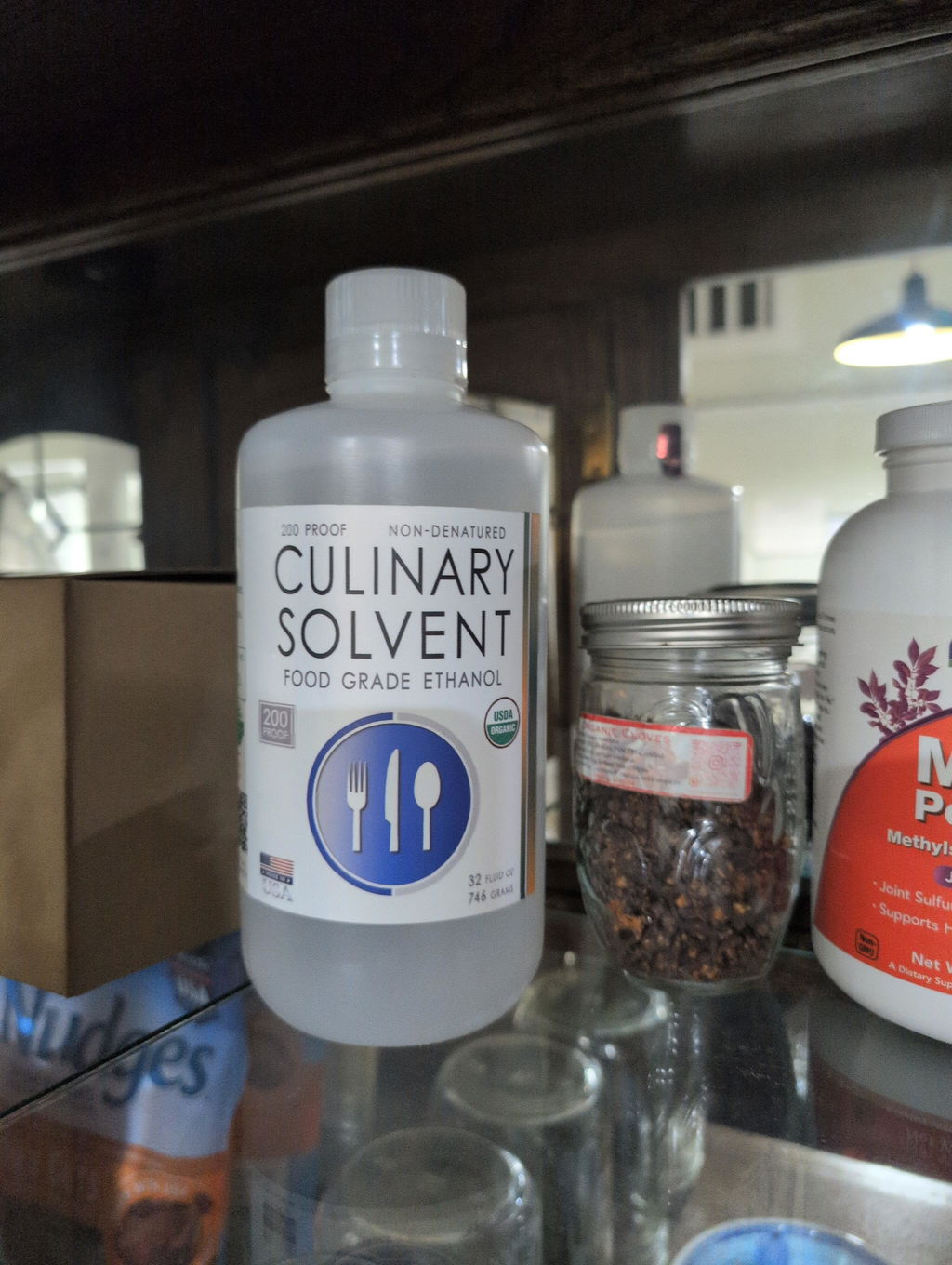
For projects where purity, traceability, and clean formulation matter, many readers begin with 200 Proof Food Grade Ethanol or explore USDA Certified Organic Food Grade Ethanol options for their preferred formulation.
Final Thoughts
An extract and a tincture are closely related ideas, but they are not always heard the same way by the reader. In many cases, the process overlaps while the framing changes. That is why the best term is usually the one that matches the reader’s purpose, the ingredient’s role, and the finished preparation’s intended use.
If you are refreshing or writing a recipe page, choose the clearest frame first, state it early, and stay consistent. If you are still deciding where to begin, browse the Recipe Directory or start with 200 Proof Food Grade Ethanol to build your next project on a clean, non-denatured foundation.