
Understanding 200 Proof Alcohol for Tinctures and Herbalists
Guide to Understanding 200 Proof Alcohol for Tinctures and Herbalists
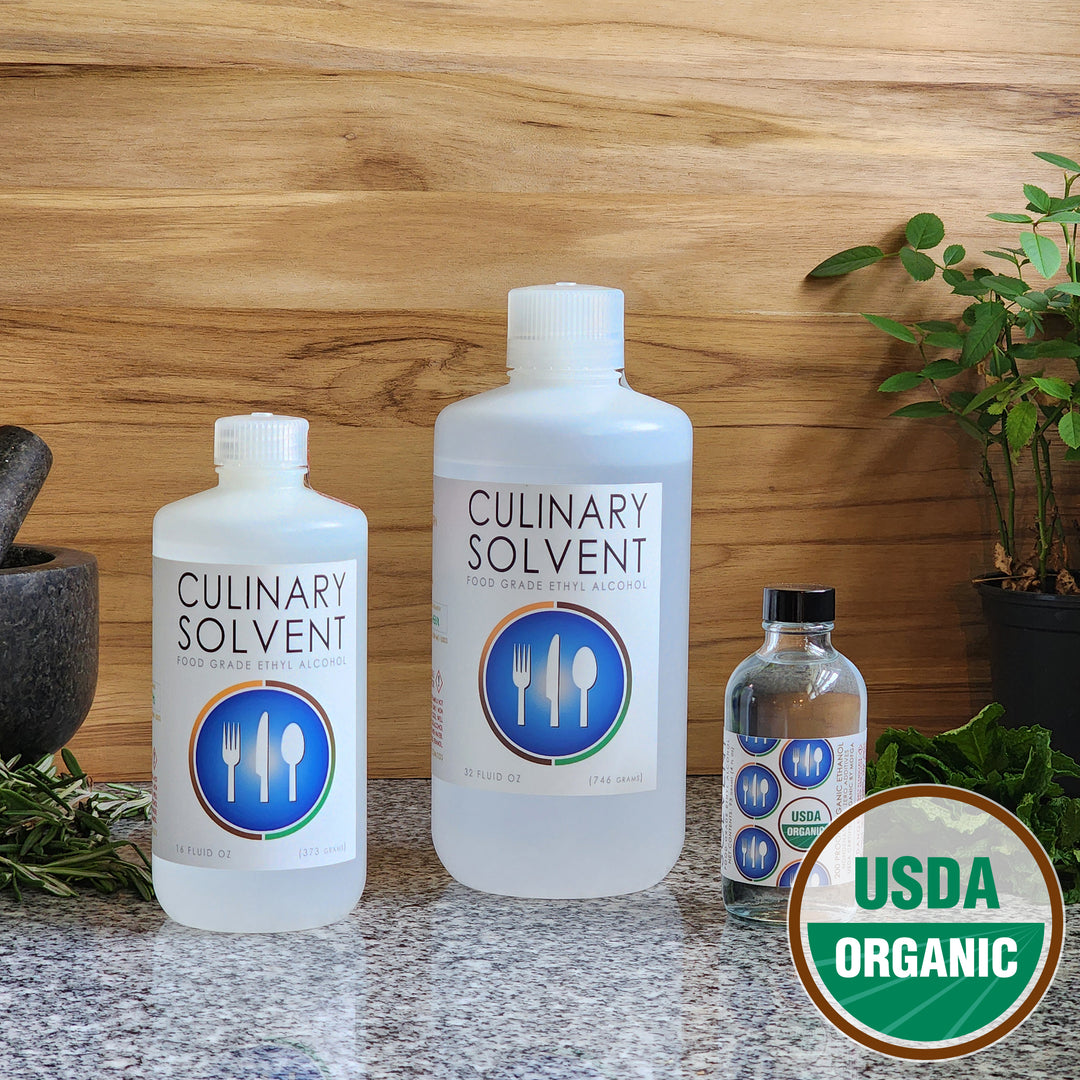
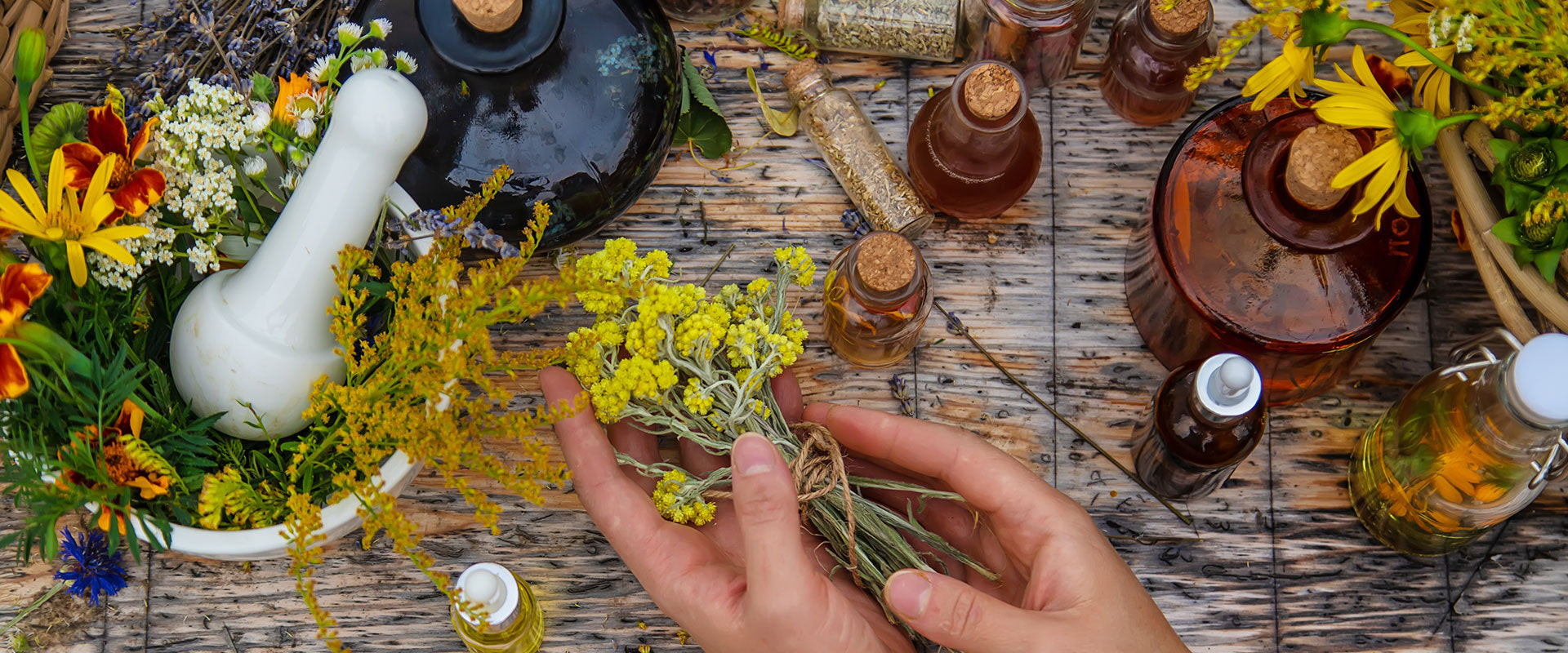
Herbalists, apothecaries, and botanical makers use alcohol because it is one of the most flexible solvents for making tinctures and extracts. The key is choosing the right kind of alcohol, then adjusting the proof to match the plant material and the finished preparation. 200 Proof food grade ethanol gives makers a pure, non-denatured starting point that can be used at full strength for select applications or diluted with distilled water for custom tincture strengths.
This guide explains what 200 proof alcohol is, why food grade ethanol matters, how ethanol compares with other menstruums, and when a tincture maker may choose vodka, glycerin, vinegar, oil, 190 proof alcohol, or 200 proof ethanol. For recipe-specific guidance, visit the homemade extract recipes directory.
Important note: This page is educational and focused on non-beverage botanical extraction. It is not medical advice, dosing guidance, or a recommendation to consume undiluted high-proof ethanol. Research each herb carefully and consult a qualified professional when making products intended for personal care, wellness, or ingestion.
Jump to a section on this page:
- What Is 200 Proof Alcohol?
- Why Proof Matters in Tincture Making
- Understanding Polar and Non-Polar Solvent Behavior
- Ethyl Alcohol vs Non-Beverage Alcohols
- 200 Proof Food Grade Ethanol vs Vodka, Everclear, and Beverage Alcohols
- Alcohol vs Oil for Herbal Preparations
- Alcohol vs Vegetable Glycerin
- Alcohol vs Vinegar
- Does USDA Certified Organic Matter?
- Diluting 200 Proof Ethanol for Tinctures
- Safety, Storage, and Handling
- Best Uses for 200 Proof Food Grade Ethanol
- Frequently Asked Questions
- Final Takeaway
What Is 200 Proof Alcohol?
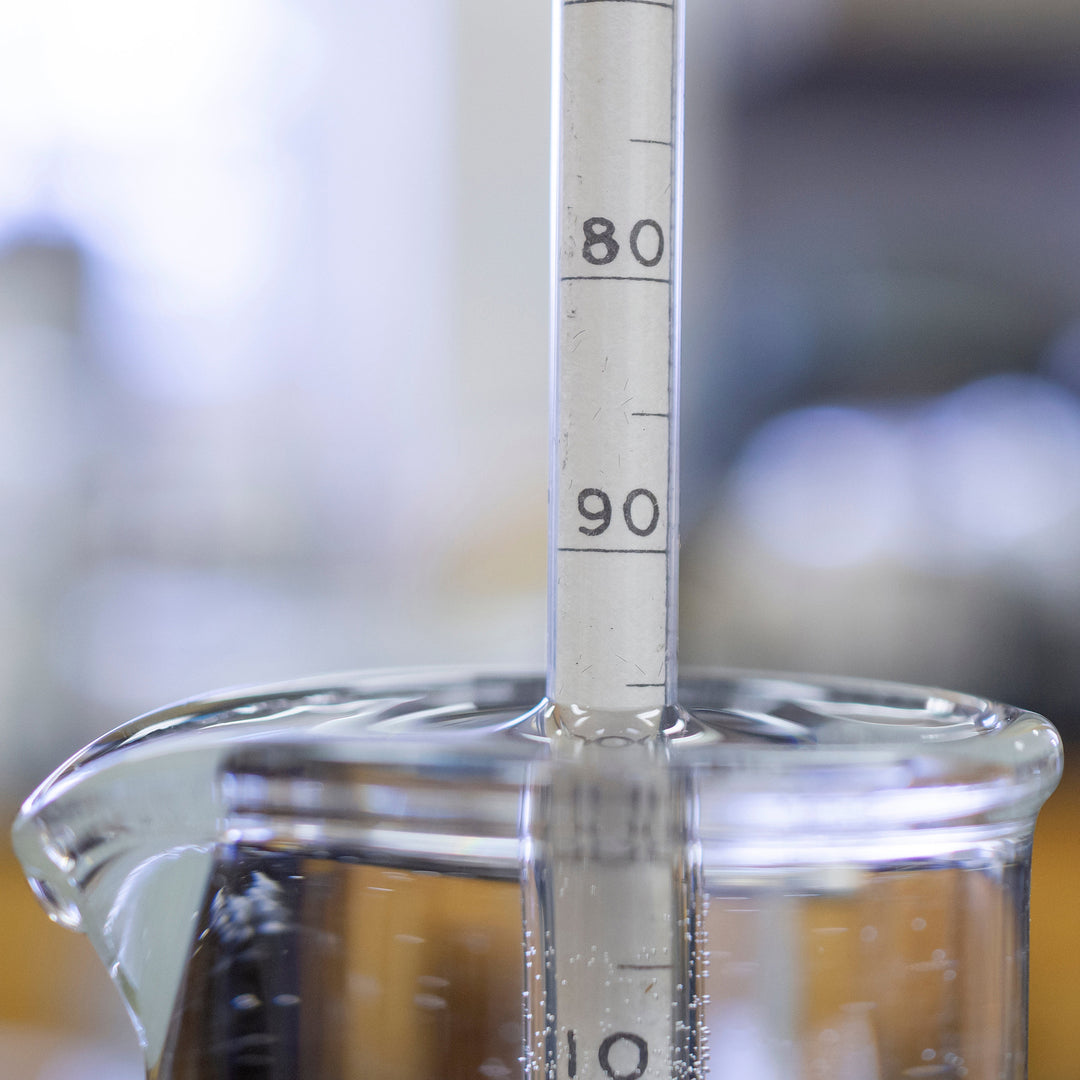
In the United States, proof is a way to describe ethanol concentration. 200 proof alcohol means 100% alcohol by volume under the proof system. It is also called absolute ethanol or anhydrous ethanol because the water has been removed.
For tincture makers, this matters because 200 proof ethanol begins as the strongest and most flexible form of food grade ethanol. It can be used as-is when a very high alcohol concentration is appropriate, or it can be diluted with distilled water to create a target proof such as 190 proof, 151 proof, 120 proof, 100 proof, or 80 proof.
The product type matters as much as the proof. Tinctures and extracts intended for edible, culinary, or personal-use applications should be made only with non-denatured ethyl alcohol. Do not use denatured alcohol, rubbing alcohol, methanol, fuel alcohol, cleaning alcohol, or laboratory solvents for tinctures.
Why Proof Matters in Tincture Making
Proof affects what your menstruum can dissolve. In tincture making, the menstruum is the liquid solvent used to extract plant constituents from herbs, roots, flowers, bark, seeds, resins, mushrooms, or other botanicals. Alcohol strength changes the balance between water-like extraction and alcohol-forward extraction.
A common mistake is assuming that every herb should be extracted in straight 200 proof ethanol. Some botanicals do benefit from very high proof alcohol, especially aromatic resins, citrus peel, essential oil-rich materials, and certain low-moisture ingredients. Many herbs, however, extract better when 200 proof ethanol is diluted because water helps pull out polar constituents such as sugars, minerals, mucilage, tannins, and some glycosides.
Starting with 200 proof ethanol gives the maker control. This is especially useful when working with fresh plant material because fresh herbs contain water that will lower the final alcohol percentage during maceration. Dried botanicals usually contribute less water, so the final proof can be planned more predictably.
| Alcohol Strength | Approximate ABV | Best Use in Tincture Making |
|---|---|---|
| 200 proof food grade ethanol | 100% ABV | Maximum flexibility. Best starting point for custom dilution, fresh herbs, resins, aromatic oils, and high-proof extraction needs. |
| 190 proof food grade ethanol | 95% ABV | High-proof option that works well for many extracts, with slightly less dilution flexibility than 200 proof. See 190 Proof food grade ethanol. |
| 151 proof alcohol | 75.5% ABV | Useful for some herbal tinctures, but may not be strong enough for high-resin or high-water plant material. |
| 80 proof vodka | 40% ABV | Accessible and easy to use, but limited for fresh herbs, resins, aromatic oils, and ingredients requiring higher alcohol strength. |
Understanding Polar and Non-Polar Solvent Behavior
The solvent you choose influences which plant constituents move from the herb into the finished tincture. This is why herbalists pay attention to polarity.
- Polar solvents dissolve polar compounds, including many salts, sugars, acids, mucilage components, tannins, and water-soluble constituents.
- Non-polar solvents dissolve non-polar compounds, including oils, waxes, fats, some resins, and lipophilic aromatic compounds.
- Ethanol is useful because it has both water-friendly and oil-friendly behavior. When blended with water at different proofs, ethanol can be tuned for a broader range of plant chemistry.
This does not mean ethanol extracts everything equally. No single solvent is perfect for every botanical. It means food grade ethanol gives tincture makers a wide working range, especially when the proof is adjusted for the plant part and extraction goal.
| Solvent | Solvent Behavior | Practical Use for Herbalists |
|---|---|---|
| Ethyl alcohol, ethanol | Broad solvent range, especially when blended with water | Best all-around menstruum for many tinctures and extracts. Can be adjusted by proof for leaves, roots, bark, resins, flowers, seeds, and aromatic botanicals. |
| Water | Polar | Excellent for teas, decoctions, and water-soluble compounds, but not shelf-stable on its own and poor for oils, waxes, and resins. |
| Vegetable glycerin | Mostly polar | Alcohol-free option for glycerites. Sweet and gentle, but less effective for many aromatic, resinous, and oil-soluble constituents. |
| Carrier oils | Non-polar | Useful for oil infusions, salves, balms, and topical preparations. Not a true tincture solvent and not effective for water-soluble plant constituents. |
| Vinegar | Polar and acidic | Useful for vinegar extracts and culinary preparations. Limited for lipophilic compounds and usually less shelf-stable than high-proof ethanol tinctures. |
Ethyl Alcohol vs Non-Beverage Alcohols
Ethyl alcohol, also called ethanol, is the alcohol used in properly made tinctures, culinary extracts, flavor extracts, and many traditional botanical preparations. For herbal work, the ethanol should be food grade and non-denatured.
Non-beverage alcohols are not interchangeable with food grade ethanol. Denatured alcohol has additives added to make it unfit for beverage use. Isopropyl alcohol is commonly sold as rubbing alcohol and is not appropriate for ingestible tinctures. Methanol is toxic and should never be used for herbal preparations.
For a deeper comparison, read Denatured Alcohol vs. Non-denatured Food Grade Ethanol.
Use only food grade, non-denatured ethanol when making tinctures
- Use: Food grade ethyl alcohol, also called ethanol.
- Avoid: Denatured alcohol, SDA, CDA, rubbing alcohol, isopropyl alcohol, methanol, fuel alcohol, and cleaning solvents.
- Reason: Tinctures and extracts may contact skin, food, flavorings, or personal-care formulations. The solvent should match the intended use.
200 Proof Food Grade Ethanol vs Vodka, Everclear, and Beverage Alcohols
Beverage alcohols contain ethanol, but they are not always ideal for tincture making. Vodka is easy to find, but most vodka is only 80 proof, or 40% ABV. That proof can be useful for some dried herbs, but it is weak for resins, aromatic oils, fresh herbs with high water content, and formulas where a stronger final alcohol percentage is needed.
High-proof grain alcohol products such as 190 proof alcohol can be useful where available, but they still contain water and may be restricted by state availability. 200 proof food grade ethanol gives the most control because the maker decides the final proof rather than being locked into the proof of a beverage product.
| Option | Strength | Primary Advantage | Primary Limitation |
|---|---|---|---|
| 200 proof food grade ethanol | 100% ABV | Maximum control, neutral profile, non-denatured, can be diluted to almost any lower proof. | Must be handled carefully due to high alcohol concentration and flammability. |
| 190 proof alcohol | 95% ABV | Strong, useful for many extracts, and easier to use where 200 proof is not needed. | Less flexible than 200 proof and not available everywhere. |
| 151 proof beverage alcohol | 75.5% ABV | Can work for many botanical extracts. | May be too weak for fresh herbs, aromatic resins, or extractions requiring very high ethanol concentration. |
| 80 proof vodka | 40% ABV | Accessible, familiar, and easy for simple dried-herb tinctures. | Limited extraction power for oils, resins, waxes, and high-moisture botanicals. |
When consistency matters, 200 proof ethanol is the cleaner starting point. It lets the maker dilute to the target proof using distilled water, then repeat the same process across batches.
Alcohol vs Oil for Herbal Preparations
Oil preparations are useful, but they are different from tinctures. A tincture is usually an alcohol-based extract. Olive oil, avocado oil, coconut oil, and MCT oil are better described as carrier oils for infused oils, salves, balms, massage oils, and topical formulas.
Oils are non-polar. They are useful for lipophilic constituents such as plant oils, waxes, some aromatics, and some resinous compounds. They are not good at extracting water-soluble constituents. They also do not offer the same preservation profile as high-proof ethanol and may become rancid over time.
Oil is a good choice when:
- You are making a salve, balm, massage oil, or skin-focused infusion.
- Your target constituents are primarily oil-soluble.
- You want a fatty, emollient finished product.
- You do not need a broad-spectrum alcohol tincture.
Alcohol is a better choice when:
- You want a tincture that can pull a broader range of compounds.
- You need a shelf-stable liquid extract.
- You want a product that filters and measures easily.
- You are extracting aromatic, resinous, or mixed-polarity botanicals.
Alcohol vs Vegetable Glycerin
Vegetable glycerin is a sweet, syrupy liquid used to make glycerites. It is popular when a maker wants an alcohol-free option with a mild flavor and soft mouthfeel. Glycerin can be useful for gentle herbal preparations, especially when the target compounds are more water-soluble.
Glycerin is not a direct replacement for high-proof ethanol. It is thicker, slower to filter, and less effective with many resins, essential oil-rich materials, waxes, and lipophilic constituents. It can also change the texture, flavor, and preservation profile of the finished preparation.
Glycerin is a good choice when:
- An alcohol-free preparation is required.
- A sweet flavor and syrupy texture are desired.
- The formula is focused on mild, water-soluble botanical constituents.
- The maker is preparing a glycerite rather than a traditional alcohol tincture.
Food grade ethanol is a better choice when:
- The goal is efficient extraction across a wider range of plant chemistry.
- The botanical contains aromatic oils, resins, or lipophilic compounds.
- The maker wants proof control and repeatable batch formulation.
- The finished preparation needs the preservation benefits of alcohol.
Alcohol vs Vinegar
Vinegar extracts can be useful in culinary and herbal settings. Apple cider vinegar and white vinegar are acidic, polar solvents that can extract some minerals, acids, and water-soluble constituents. Vinegar also brings a sharp flavor that may work well in shrubs, culinary preparations, and certain folk herbal recipes.
Vinegar is limited when compared with ethanol. It does not dissolve oils, waxes, aromatic resins, or many lipophilic compounds effectively. It also has a strong taste and usually does not offer the long-term shelf stability associated with properly made ethanol tinctures.
Vinegar is a good choice when:
- You want an alcohol-free vinegar extract.
- The preparation is culinary or food-forward.
- The target ingredients are compatible with acidity.
- A tart flavor is part of the desired finished product.
Alcohol is a better choice when:
- You need broad solvent performance.
- You are extracting aromatic oils, resins, or mixed plant chemistry.
- You want neutral flavor and proof control.
- You want a cleaner, more flexible tincture base.

Does USDA Certified Organic Matter?
Ingredient quality matters in tincture making. Herbs, roots, flowers, bark, seeds, and resins all influence the finished extract. The same is true for the menstruum. If you are choosing organic botanicals, it makes sense to consider whether your ethanol is also certified organic.
USDA Organic food grade ethanol supports a cleaner sourcing story for herbalists who care about traceability, farming practices, and ingredient integrity. Organic certification does not replace good formulation or herb safety research, but it helps align the solvent with organic-minded sourcing decisions.

For makers who want the highest-purity organic solvent option, USDA Certified Organic 200 Proof Food Grade Ethanol is a strong fit for tinctures, extracts, culinary flavor work, and botanical applications where non-denatured ethanol is required.
Diluting 200 Proof Ethanol for Tinctures
Most tincture makers use 200 proof ethanol as a starting point, not always as the final extraction proof. Diluting 200 proof ethanol with distilled water lets you prepare a custom menstruum for the plant material in front of you.
For simple dilution math, use this formula:
Target ABV ÷ Starting ABV × Finished Volume = Volume of ethanol to use
Example for 8 fl oz of 50% ABV tincture menstruum from 200 proof ethanol:
- 50% ÷ 100% × 8 fl oz = 4 fl oz of 200 proof ethanol
- 8 fl oz total target volume minus 4 fl oz ethanol = 4 fl oz distilled water
For exact dilution guidance, use the dilute your 200 proof guide. When precision matters, also account for contraction, which is the slight volume change that happens when ethanol and water are mixed.
Do not treat oil as a proof diluent. Oil is a separate extraction base. Glycerin may be blended into some formulations, but it changes solvent behavior and texture. For standard proof adjustment, use distilled water.
Safety, Storage, and Handling
High-proof ethanol is flammable and should be handled with respect. Keep bottles closed when not in use, work away from flame or sparks, and use good ventilation. For safety guidance, review Culinary Solvent’s Safety page and download the appropriate SDS when needed.
For storage, keep ethanol tightly sealed in a cool, controlled location away from direct sunlight, heat, flame, and ignition sources. See the Storage tips guide for more detail.
Storage tips for tinctures and extracts
- Use clean glass jars during maceration.
- Keep macerating tinctures out of sunlight, even if the jar is clear.
- Use amber glass bottles for finished tinctures when possible.
- Label each batch with herb name, plant part, proof, ratio, start date, and strain date.
- Straining is optional for some preparations, but many makers strain once the extraction period is complete.
- Avoid heat unless the recipe specifically calls for it and you understand the safety risks.
Because high-proof ethanol is a regulated flammable liquid for shipment, delivery is different from ordinary household goods. Review Culinary Solvent’s Shipping and receiving information before ordering. You can also review Shipping Rules for your state.
Best Uses for 200 Proof Food Grade Ethanol
200 proof food grade ethanol is most useful when purity, control, and solvent flexibility matter. It is especially valuable for herbalists who work across many plant parts and need to adjust proof from batch to batch.
- Custom proof tinctures: Start with 200 proof ethanol, then dilute to the target ABV for the herb or formula.
- Fresh herb tinctures: Fresh botanicals contain water, so a higher starting proof can help maintain the intended final alcohol strength.
- Resins and aromatic botanicals: High-proof ethanol is often useful for essential oil-rich plants, resins, citrus peel, and aromatic extracts.
- Repeatable recipe development: Starting with a known proof makes it easier to reproduce formulas and compare results.
- Clean, neutral extraction: Food grade ethanol has a neutral profile that does not add the flavor of vinegar, oil, glycerin, or beverage congeners.
Food grade ethanol is also useful beyond herbal tinctures. Chefs and bakers use it for flavor extracts. Perfumers use ethanol for fragrance work. DIY enthusiasts use it in maker projects where clean evaporation and solvent purity matter. For cannabis-specific extraction, visit the cannabis tincture guide.
Frequently Asked Questions
Is 200 proof alcohol always the best final proof for tinctures?
No. 200 proof ethanol is often the best starting solvent because it can be diluted precisely. The best final proof depends on the plant material, whether it is fresh or dried, the target constituents, and the intended finished preparation.
Can I use vodka instead of 200 proof ethanol?
Vodka can work for some simple dried-herb tinctures, especially when a lower proof is acceptable. It is not ideal for high-moisture fresh herbs, resinous botanicals, aromatic oils, or formulas that require higher alcohol strength.
Can I use rubbing alcohol for tinctures?
No. Rubbing alcohol is usually isopropyl alcohol and is not appropriate for ingestible tinctures or culinary extracts. Use only food grade, non-denatured ethanol for tinctures intended for food, flavor, or personal-use applications.
Is denatured ethanol the same as food grade ethanol?
No. Denatured ethanol has additives added to make it unfit for consumption. It should not be used for herbal tinctures, culinary extracts, or preparations intended to contact food or the body.
Should I strain my tincture?
Many makers strain tinctures after the maceration period to remove the marc, which is the spent plant material. Some preparations may remain with the marc longer depending on the formula, but clear labeling and controlled storage are important either way.
Where should I start if I am new to tincture making?
Start by learning the vocabulary, choosing the right solvent, and following a proven recipe. Review the guide to herbal tincture and extract terms, then choose a recipe from the tincture and extract directory.
Final Takeaway
200 proof food grade ethanol is not just strong alcohol. It is a precise tincture-making tool. Its value comes from purity, non-denatured food grade suitability, neutral flavor, and the ability to dilute to the proof your botanical recipe requires.
For herbalists and apothecaries, the best results come from matching the solvent to the plant. Use high proof when the ingredient calls for it. Dilute when water improves the extraction. Choose glycerin, vinegar, or oil when the finished preparation requires those bases. When you want the most flexible starting point for alcohol-based tinctures and extracts, choose 200 proof food grade ethanol.
Ready to make your next tincture with a clean, non-denatured solvent? Shop 200 Proof Food Grade Ethanol or choose USDA Certified Organic 200 Proof Food Grade Ethanol for organic-minded tincture and extract making.